
First Death Linked to Alpha-Gal Syndrome, a Tick-Borne Meat Allergy, Reported in New Jersey
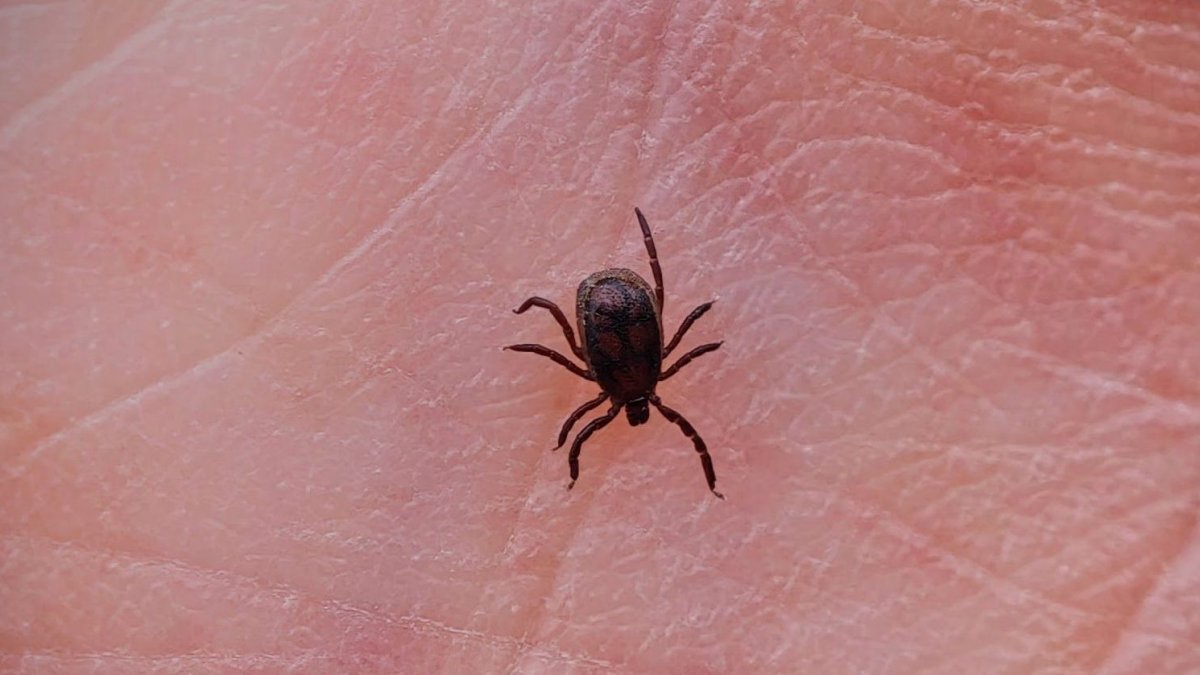
New Jersey – Health officials have confirmed teh first reported death linked to alpha-gal syndrome (AGS), a perhaps severe allergic reaction to red meat triggered by bites from the lone star tick. The case, involving a New Jersey pilot, highlights a growing public health concern as the tickS range expands across the United States.
Alpha-gal syndrome is caused by a bite from the lone star tick, which transmits a sugar molecule called alpha-gal. This can cause a delayed allergic reaction to red meat – beef, pork, lamb, venison – and sometimes high-fat dairy products. Symptoms typically appear three to six hours after consumption and can include stomach upset, itching, and hives.
The pilot, whose name has not been released, experienced a severe reaction after consuming beef and drinking a beer following exercise, factors that can increase allergen absorption, according to Dr.Scott Commins, an allergy and immunology specialist at the University of North Carolina at chapel Hill. “Deaths from food allergies are very rare and usually occur in people with underlying asthma or another medical condition. It requires a combination of factors,” Commins explained.
Investigators determined the pilot had likely been bitten by a lone star tick larva,initially believed to be a mite bite around his ankles the previous summer.
the Centers for Disease Control and Prevention (CDC) reports a sharp increase in suspected cases of AGS since 2010. A 2023 CDC report found that 42% of doctors surveyed had never heard of alpha-gal syndrome, and 35% lacked confidence in their ability to detect or treat it.
The lone star tick and its primary host,the white-tailed deer,are spreading to new areas,including the Northeast,South,and Midwest,due to factors like warmer winters linked to climate change. Exposure is now occurring in regions where the tick was previously rare, such as Washington and Maine.
While AGS can effect anyone exposed to ticks, including children, Commins advises individuals bitten by a tick to monitor for delayed symptoms after consuming red meat or high-fat dairy. He notes the allergy isn’t necessarily permanent, potentially resolving after several years of avoiding tick bites.
