
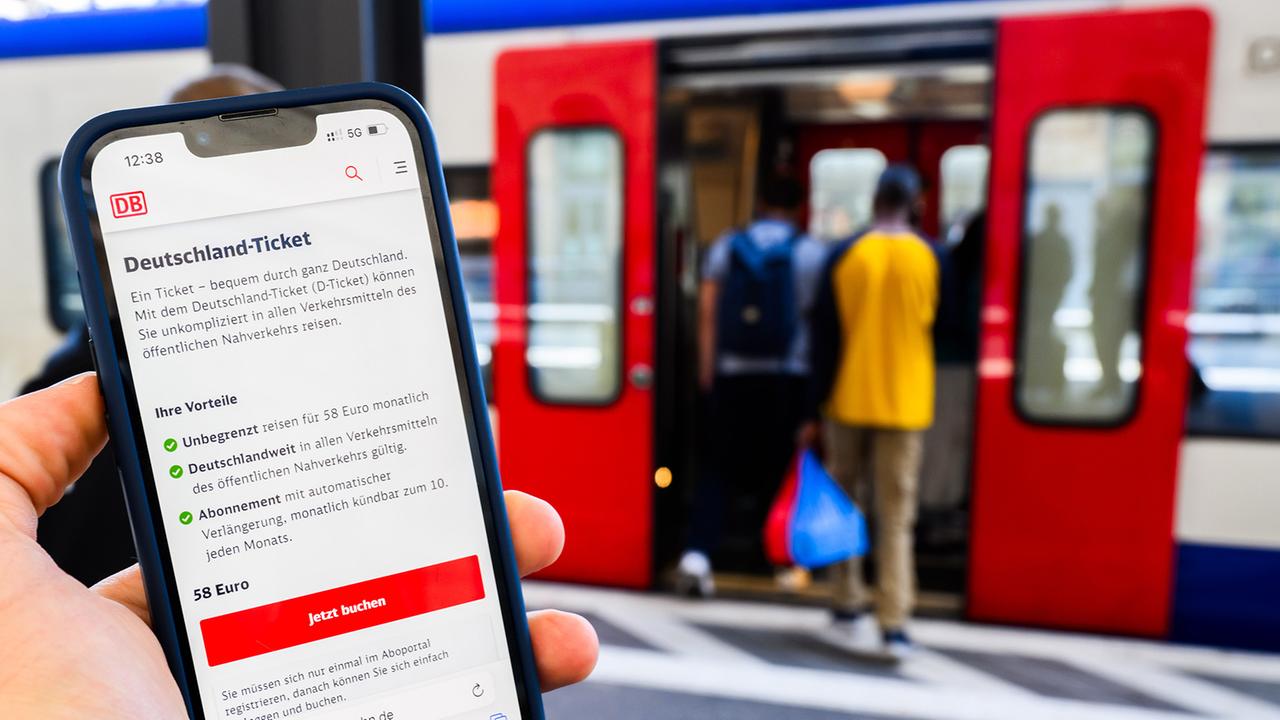
Deutschlandticket funding Extended to 2030, Price Increases Loom
Berlin – The future of Germany’s heavily subsidized Deutschlandticket is secured through 2030, following an agreement between the governing coalition of the Social Democratic Party (SPD) and the Christian Democratic Union (CDU). While ensuring the ticket’s continuation, the deal stipulates a gradual increase in user contributions beginning in 2029, sparking immediate debate over affordability and potential ridership impacts.
The Deutschlandticket, launched in May 2023, offers unlimited travel on local and regional public transport for €49 per month. Its popularity has been undeniable, with over 11 million subscriptions currently active. However, the ticket’s financial sustainability has been a persistent concern, relying heavily on federal and state government funding. This new agreement aims to shift a greater portion of the financial burden onto users, but delays any price adjustments until after the 2029 federal election, a move critics say is politically motivated.
The coalition agreement explicitly states that user financing will be “increased gradually and in a socially acceptable manner” from 2029. Crucially, the document makes no mention of price increases before that date, despite ongoing pressure to address the ticket’s funding gap. This has lead to accusations of a broken promise from consumer advocacy groups and concerns that the long-term viability of the program is being jeopardized.
Allianz Pro Schiene, a rail advocacy organization, has voiced strong opposition to the planned increases, arguing they will alienate riders and fail to significantly boost revenue. “It is indeed regrettable that the federal and state governments insist on not increasing their share,” a spokesperson stated, further criticizing the government’s decision to allocate billions in additional funding to the commuter allowance while concurrently resisting efforts to fully fund the Deutschlandticket.
Consumer advice centers echoed these sentiments, expressing disappointment at what they perceive as a betrayal of trust for the ticket’s millions of users. The debate over the Deutschlandticket’s financing underscores the broader challenges facing public transportation in Germany, balancing affordability, accessibility, and long-term financial sustainability.
