
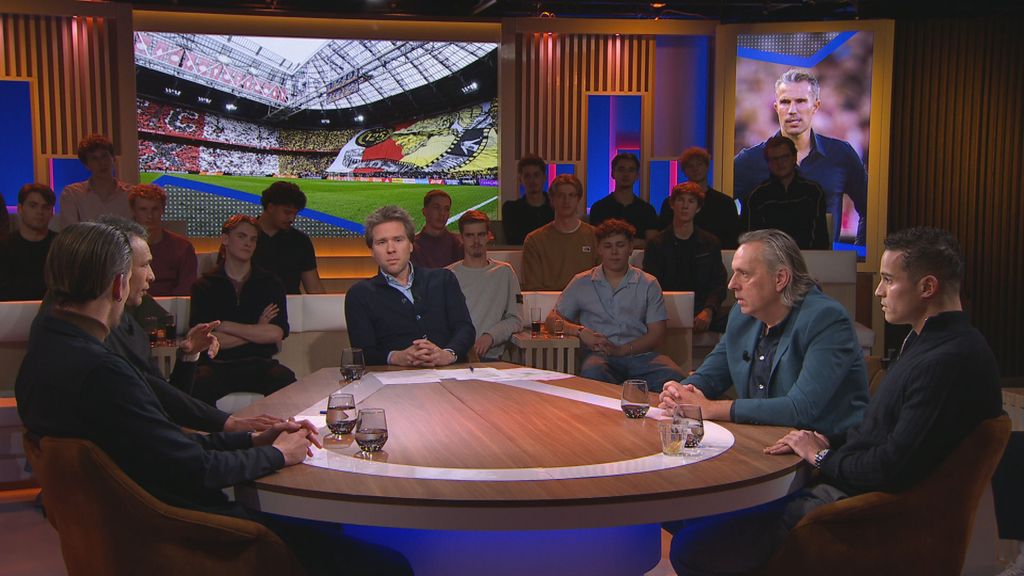
Feyenoord Rotterdam is now at the center of a structural shift involving squad health and managerial stability. The immediate implication is heightened risk to the club’s European ambitions and commercial revenue.
The Strategic Context
Feyenoord, one of the traditional ”big three” in Dutch football, operates in a league where TV rights, European competition payouts, and match‑day revenues are tightly linked to on‑field performance. The Eredivisie’s competitive balance has tightened, with Ajax and PSV consistently challenging for the title, while mid‑table clubs have improved their financial footing through better scouting and data‑driven recruitment. In this environment, clubs face structural pressure to maintain a stable squad, manage injuries efficiently, and deliver results that satisfy both a passionate fan base and commercial partners. The club’s recent managerial change-from Brian Priske to former Dutch international Robin van Persie-reflects a broader trend of clubs turning to high‑profile former players to boost brand value and fan engagement, even as they must deliver competitive outcomes.
Core Analysis: Incentives & Constraints
Source Signals: Van Persie’s post‑match comments emphasizing “team, what went wrong, about me as coach,” the upcoming KNVB Cup tie against SC Heerenveen, a points tally of 34 from 16 league games (below the previous season’s 35), a persistent injury list affecting key players, criticism of substitution policy from former players, and Van Persie’s assertion that “external pressure has no influence on my actions and thoughts.”
WTN Interpretation: The club’s structural need to secure European qualification drives Van Persie’s urgency to stabilize results. His personal brand and recent playing pedigree give him leverage with the board and supporters, but the injury wave erodes squad depth, limiting tactical flexibility. The criticism of substitution choices signals a potential misalignment between coaching philosophy and player expectations, which can exacerbate morale issues. Moreover, the upcoming cup match serves as a litmus test: a win would reinforce Van Persie’s authority and provide a morale boost, while a loss could accelerate calls for his dismissal, given the club’s historical intolerance for prolonged underperformance. The broader market context-tight transfer windows and rising player wages-constrains the club’s ability to quickly replace injured personnel, reinforcing the importance of internal squad management.
WTN Strategic Insight
”When a club’s identity is tied to historic success, the pressure to convert brand equity into on‑field points creates a feedback loop where managerial credibility hinges on short‑term health management rather than long‑term strategic rebuilding.”
Future Outlook: Scenario Paths & Key Indicators
Baseline Path: If the injury list stabilizes and Van Persie refines his substitution strategy, Feyenoord maintains its second‑place league position, secures a KNVB Cup run, and ultimately qualifies for the Europa League. This outcome preserves revenue streams and reinforces the club’s brand narrative.
Risk Path: If injuries persist and substitution criticism escalates into broader squad dissent, the club slips in the league table, misses European qualification, and faces intensified board pressure that could lead to a mid‑season managerial change.
- Indicator 1: Result of the KNVB Cup match against SC Heerenveen (within the next week).
- Indicator 2: Injury updates on key players (Bart Nieuwkoop, Jakub Moder, Gernot Trauner) during the January transfer window.
- indicator 3: Post‑winter‑break league points tally and position after the first ten matches.
- indicator 4: Official statements from the Feyenoord board regarding coaching performance during the upcoming club meeting (scheduled for early February).
