
Halal’s Ethical Core Shapes Global Food Dialogue
Conference Unites Leaders to Redefine Sustainable Consumption
In a world grappling with conflict and climate challenges, the definition of healthy eating is evolving. The Islamic Food and Nutrition Council of America (IFANCA) asserts that “halal” signifies more than dietary rules, embodying dignity, discipline, and shared humanity.
A Global Gathering for Ethical Eating
IFANCA’s 22nd International Halal Food Conference, held in Chicago, convened experts from over ten nations. The April 2025 event focused on “Navigating change together: Connecting the global halal community,” fostering a dialogue on an ethical global food economy rooted in faith and justice.
Dr. Muhammad Munir Chaudry, IFANCA’s President and CEO, emphasized the conference’s role: This conference is not just a platform for dialogue but a collaborative engine to shape the future of the Halal industry. Our mission at IFANCA is to ensure Halal integrity while fostering global cooperation.
From Shared Meals to Shared Values
Keynote speaker Shaykh Hamza Yusuf drew on prophetic teachings, highlighting the communal aspect of food. He quoted the Prophet Muhammad (peace be upon him): The most beloved dish to God is the one with the most hands in it
(Sunan ibn Majah 3272). Shaykh Hamza noted how modern life has diminished the ritual of eating, leading to a disconnect from our well-being.
He also referenced the Quranic injunction Eat and drink, but not to excess
(Qur’an 7:31), linking overconsumption to the rise in chronic diseases. Voluntary fasting, a traditional Islamic practice, was praised for its role in self-discipline, a concept now recognized in secular health as intermittent fasting.
We know how much food the average person needs,”
Shaykh Hamza stated. But we lack self-restraint. That’s a spiritual crisis, not just a dietary one.
The Expanding Halal Economy
The conference agenda included representatives from major Islamic regulatory bodies worldwide, such as Indonesia’s BPJPH and Malaysia’s JAKIM. Discussions centered on global standards, laboratory testing, market growth, and food innovation, stressing the need for science-based certification.
Rafi-uddin Shikoh, CEO of DinarStandard, presented the economic significance of the halal market, which represents 2 billion consumers and substantial global spending. He described a shift towards an “ethical economy” within the halal sector, emphasizing transparency, sustainability, and fair trade principles.
Laura LaCourse, representing a client, underscored the event’s value: We truly value the partnership with IFANCA. We need these programs. It is hard to bring everyone from industry, dignitaries from all around the world, and the real community together—bringing this group together is important.
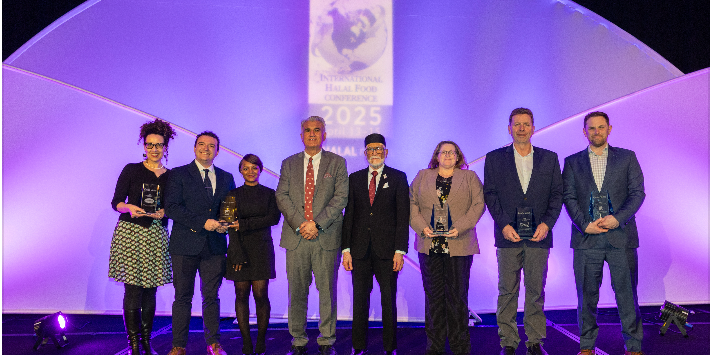
The conference culminated with a Banquet & Awards Night, recognizing industry leaders like Kerry, Abbott, McCormick, Darigold, and McCain for their halal-certified innovations.
Nourishing the Future, Protecting the Planet
Shaykh Hamza concluded by reflecting on food’s symbolic power, warning of the environmental consequences of current practices, including soil degradation and threats to pollinators. There’s a chapter in the Qur’an called ‘The Bees,'”
he remarked. That’s not accidental. They are essential, and we are failing them.
He advocated for a scientific focus on food systems and treating the Earth as a trust.
IFANCA’s work is increasingly vital as halal principles influence global trade and policy. With a presence in over 70 countries, the organization supports halal compliance across various sectors. IFANCA also champions food justice, recently backing legislation in Illinois to improve equitable access to nutritious food.
We are deeply committed to advancing food security and equitable access for children, schools, and underserved communities,”
said Asma Ahad, Director of Halal Market Development at IFANCA. Proper nutrition is what enables our future generations to thrive.
The halal framework offers a comprehensive approach to food challenges, emphasizing not only what we eat but also its origins and impact on the planet. As Shaykh Hamza wisely stated, Whoever wakes up healthy, safe, and with enough food for the day, it is as if they own the whole world.
