Federal Government Invests $4 Million in Rapid Testing to Prevent Congenital Syphilis
The U.S. Department of Health and Human Services (HHS) is committing $4 million in federal funding to expand rapid syphilis testing and point-of-care treatment during pregnancy, targeting an escalating public health crisis defined by a nearly 700% surge in congenital syphilis cases over the past decade.
- Federal Funding Allocation: HHS has directed a $4 million financial initiative to deploy rapid diagnostic testing into non-traditional healthcare environments.
- Escalating Infection Rates: Nearly 4,000 cases of congenital syphilis were reported in 2024, following 12 consecutive years of national increases and 279 deaths in 2023.
- Intervention Strategy: Point-of-care testing in emergency departments, correctional facilities, and substance use programs aims to capture undiagnosed patients and bypass maternity care deserts.
The Public Health Emergency Driving Federal Intervention
Congenital syphilis occurs when a pregnant patient transmits the bacterial infection Treponema pallidum to the fetus, posing severe risks that include miscarriage, stillbirth, neonatal death, and permanent developmental damage. According to federal epidemiological assessments reported by HHS and the Centers for Disease Control and Prevention (CDC), nearly 4,000 cases of congenital syphilis were documented nationwide in 2024. This figure underscores a continuous upward trajectory that has seen infection rates climb for 12 consecutive years, following an explosive growth rate of nearly 700% over the last ten years.
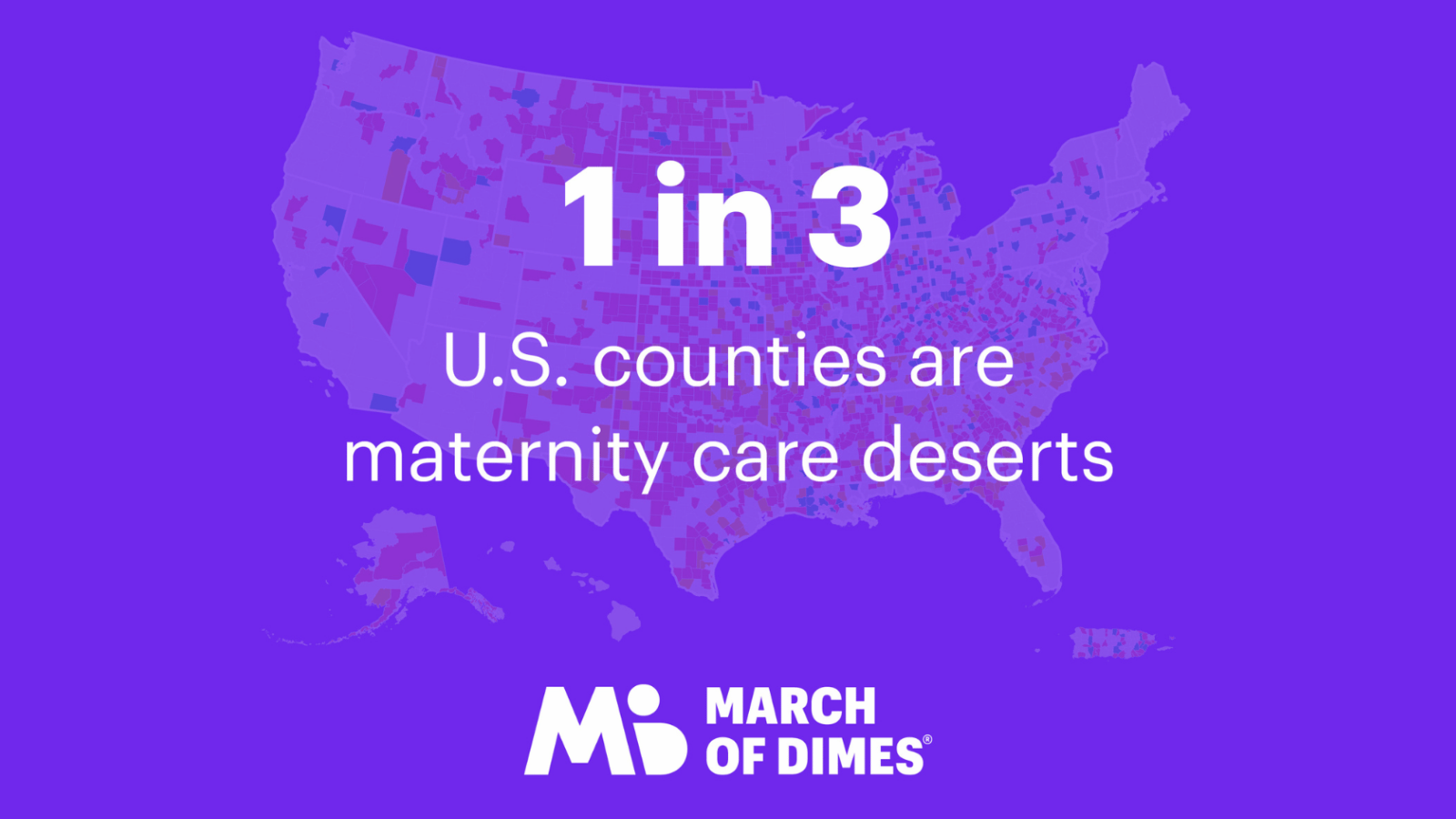
The clinical tragedy of these numbers lies in their preventability. Federal health data estimate that approximately 83% of congenital syphilis cases recorded in 2023 could have been entirely averted if the affected patients had received timely diagnostic screening and appropriate antibiotic intervention. While the standard of care requires universal screening at the initial prenatal appointment and again before delivery, structural barriers consistently fracture this safety net. A report published by the March of Dimes highlights that over one-third of U.S. counties qualify as maternity care deserts, lacking even a single physician, nurse, midwife, or medical facility specializing in maternity care. Patients in these vulnerable regions frequently lack health insurance, cannot afford ongoing clinical costs, or live too far from traditional providers to maintain regular prenatal schedules.
Deploying Rapid Diagnostics in Nontraditional Settings
To capture patients missing standard prenatal pathways, the $4 million HHS initiative distributes rapid, point-of-care diagnostic tests to alternative clinical settings such as emergency departments, maternal and child health programs, correctional intake facilities, and substance use treatment programs. These venues routinely interface with populations experiencing high systemic barriers to traditional healthcare.

Traditional laboratory processing requires patients to wait days for results and return for follow-up visits, a workflow that frequently fails due to transportation deficits, housing instability, or socioeconomic constraints. By integrating rapid point-of-care assays that deliver actionable results in minutes, clinicians can diagnose active infections and administer single-dose benzathine penicillin G therapy during the same clinical encounter. Recent clinical evaluations of universal opt-out screening protocols in emergency departments demonstrate that routine testing successfully identifies numerous syphilis and human immunodeficiency virus (HIV) infections that would otherwise escape detection under restrictive, symptom-based criteria.
Navigating Systemic Barriers and Treatment Protocols
The urgency of expanding point-of-care testing is further compounded by broader supply chain vulnerabilities and shifting epidemiological trends. Recent public health updates note that antibiotic manufacturing recalls have periodically threatened the availability of key therapeutic agents, while broader surveillance data released by the CDC indicate that while overall rates of chlamydia and gonorrhea have shown localized plateaus, syphilis infections among pregnant women surged 222% between 2016 and 2022, followed by an additional 28% increase from 2022 to 2024. For tribal populations, the crisis has proven particularly acute; the Great Plains Tribal Epidemiology Center reported that syphilis rates across Iowa, Nebraska, North Dakota, and South Dakota spiked by 1,865% between 2020 and 2022.

Clinical management of early syphilis relies on benzathine penicillin G. Recent pharmacokinetic studies confirm that a single intramuscular injection matches the clinical efficacy of multi-dose regimens for early-stage infections.
As federal agencies continue funding point-of-care expansion through early 2027, the ultimate success of these public health measures depends on sustained inter-agency collaboration and the systematic elimination of diagnostic bottlenecks in emergency and community health settings.
Disclaimer: The information provided in this article is for educational and scientific communication purposes only and does not constitute medical advice. Always consult with a qualified healthcare provider regarding any medical condition, diagnosis, or treatment plan.