Fed Study: Long-Term Climate Risks Depress Florida Home Prices
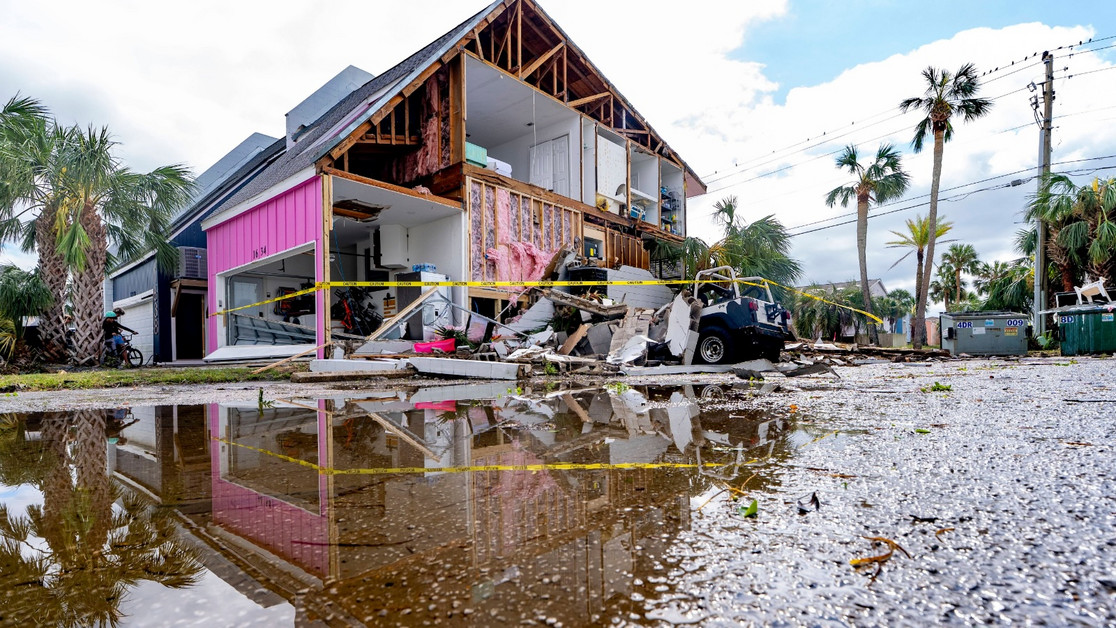
On October 9, 2026, Hurricane Isaias made landfall near Destin along northwest Florida’s coast with maximum sustained winds reaching 165 kilometers per hour, generating widespread structural damage, flooding, and power outages. As property owners assess the wreckage, new data reveals that long-term climate risks are already depressing real estate valuations across the state long before storms actually hit.
Federal Reserve Study Quantifies Climate Depreciation on Florida Real Estate
A research study published in September 2026 by Federal Reserve researchers Erik Heitfield, Mallick Hossain, and Katie Merritt evaluates approximately 465,000 single-family home sales financed by mortgages across Florida between 2012 and 2024. By linking transaction prices with structural data, insurance records, and modeled weather risks, the authors isolated the statistical relationship between expected natural hazards and housing prices.
Properties carrying higher expected weather-related damages sell for systematically lower prices compared to otherwise identical homes situated in safer locations. Buyers factor in future damage probabilities ahead of time rather than reacting purely to immediate disasters. A ten percent increase in expected annual weather damage correlates with an approximate 0.5 percent decline in the property’s sales price. For a home valued at 300,000 dollars, that statistical adjustment equates to roughly 1,500 dollars in value reduction.
Insurance premiums exert a surprisingly smaller downward pressure on property values than physical risk itself. A ten percent increase in a home’s insurance premium corresponds to a mere 0.16 percent drop in sales price, amounting to about 480 dollars on a 300,000-dollar home. Buyers treat insurance costs as variable expenses subject to policy modifications or carrier changes, whereas the physical vulnerability of a specific geographic location remains fixed.
Insured Property Losses Reach Billions of Dollars
Insurance data specialists at Verisk estimate insured property losses from Hurricane Isaias between one and two billion dollars. Meanwhile, analytical firm Cotality projects insured losses reaching two to three billion dollars. Both figures remain preliminary and exclude broader economic disruptions across the region.
Despite these steep damage assessments, the Fed study found that a property’s recent exposure to a hurricane has a relatively minor standalone effect on its transaction price. Because hurricanes are a familiar reality in Florida, market participants price the inherent regional vulnerability into homes well before any individual storm makes landfall. This dynamic means that high market values in coastal zones do not negate the underlying presence of climate risk.
Waterfront views and beach access frequently command substantial market premiums that temporarily mask underlying environmental hazards. When buyers evaluate these parcels, the appeal of proximity to the ocean often outweighs the immediate mathematical penalty of higher long-term maintenance, coastal fortification, and insurance liabilities.
Worth a look