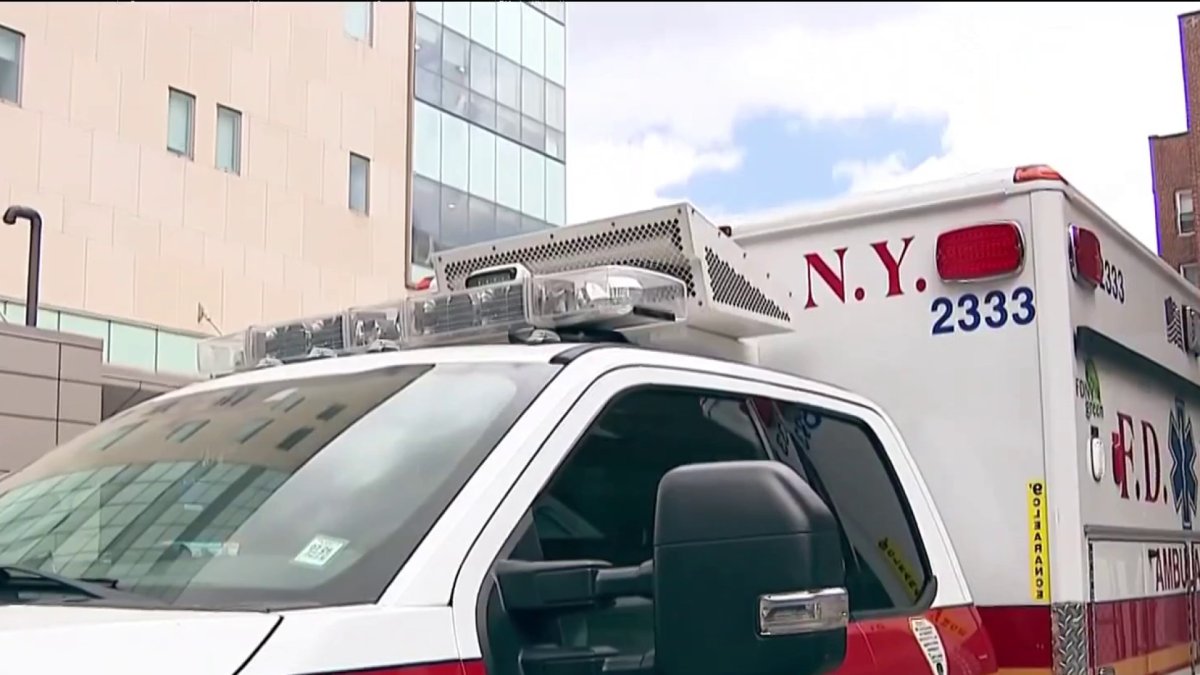
FDNY ambulance response times soar by 40%, comptroller report says
Three-Minute Surge in Emergency Response Times
A new report from the city comptroller’s office comparing 2026 to 2015 showed that New York City Fire Department ambulance response times for life-threatening emergencies slowed by 3 minutes and 50 seconds, marking an increase of more than 40 percent as call volumes increase, nbcnewyork.com reported.
Comptroller Data Details Soaring Delays
A report released by the city comptroller’s office details the stark climb in emergency vehicle arrival times. Response times for non-life-threatening medical calls more than doubled, stretching to an average of 14 minutes and 49 seconds.
Staff Turnover and Fleet Maintenance Slow Ambulance Response
The comptroller’s data points to a complex mix of systemic challenges driving the slowdowns. High turnover rates among emergency medical technicians and paramedics, wage structures, logistical hurdles, and the maintenance of the ambulance fleet all contribute to the current crisis.
City Council Weighs Legislation for Public Emergency Notifications
The New York City Council scheduled a hearing to analyze the comptroller’s findings, hear live testimony, and weigh potential legislative solutions to overhaul emergency operations. Councilwoman Joann Ariola plans to introduce a bill mandating that New York City Emergency Management issue a public emergency notification whenever the FDNY carries a backlog of more than 25 pending ambulance dispatches simultaneously.

FDNY Pledges to Reverse Increasing Response Times
The FDNY acknowledged the severity of the crisis in a public statement, calling the mounting delays unacceptable and committing to reverse the trajectory. The FDNY called the increasing response times “unacceptable” and pledge to reverse the trend in a statement Tuesday morning. A department spokesperson stated that leadership is actively coordinating with hospitals, streamlining efficiency in high-volume sectors, and increasing operational visibility to accelerate unit turnaround times. The Department is currently engaged in a challenging period of increasing response times,
a spokesperson said. We know this is unacceptable and we are working tirelessly to reverse this trend.
We will continue to take steps to improve response times and keep New Yorkers safe, including improving coordination with hospitals, enhancing efficiency in high-volume areas, and increased operational visibility to help return units to service quickly,
the spokesperson added.