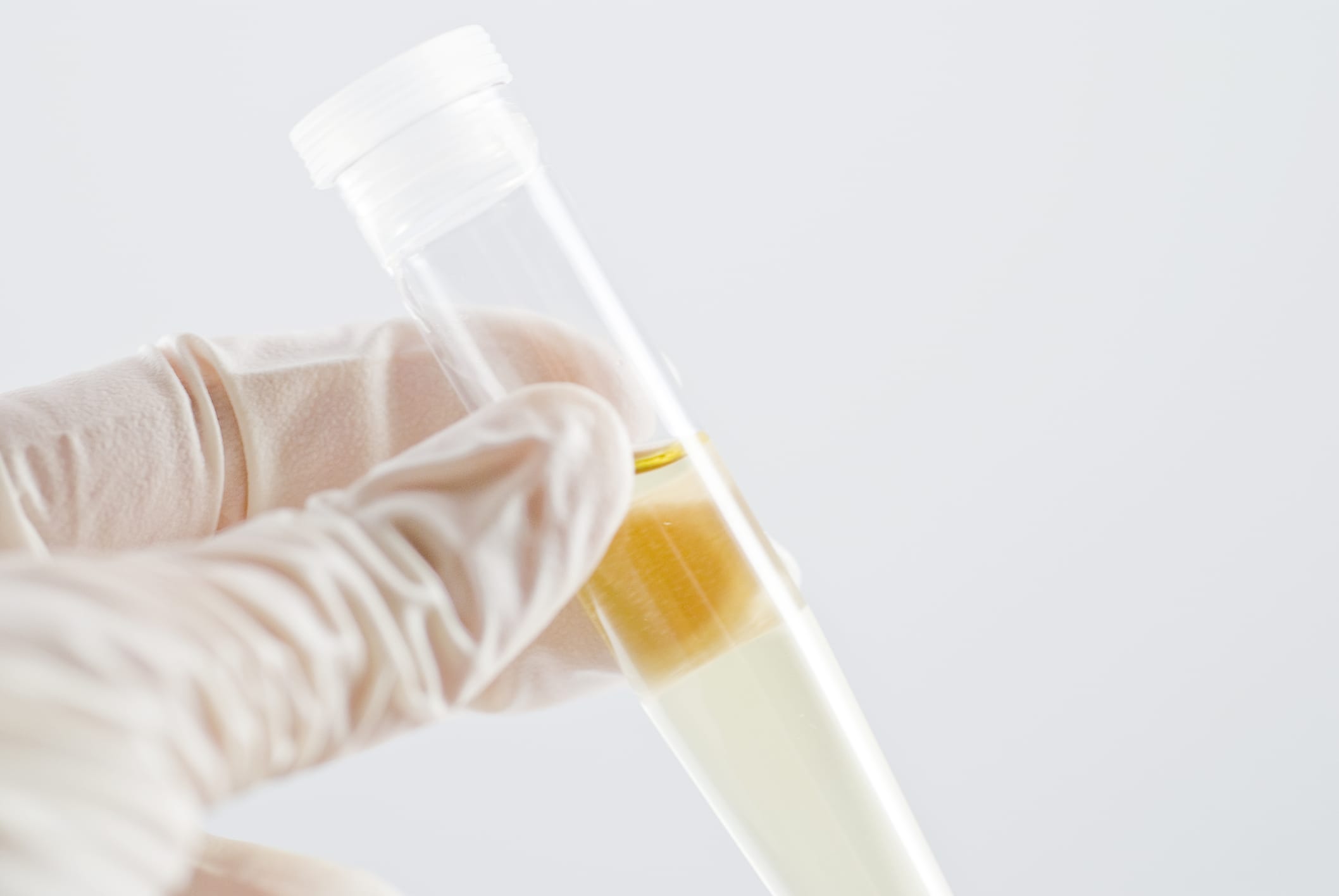
FDA Grants Breakthrough Designation for Urine-Based Alzheimer’s Test
The diagnostic landscape for neurodegenerative disease is undergoing a fundamental shift as the FDA grants Breakthrough Device Designation to a novel, non-invasive urine-based test for Alzheimer’s disease. By targeting biomarkers long associated with the pathogenesis of cognitive decline, this innovation promises to transition the standard of care from late-stage symptomatic diagnosis to early-stage molecular detection, potentially reshaping how clinicians manage the disease trajectory.
Key Clinical Takeaways:
- The FDA Breakthrough Device Designation accelerates the development and priority review of technologies that offer potential for more effective treatment or diagnosis of life-threatening conditions like Alzheimer’s disease.
- Urine-based diagnostics leverage the presence of specific protein fragments that correlate with central nervous system pathology, offering a scalable alternative to lumbar punctures or PET imaging.
- Early detection remains the critical hurdle in Alzheimer’s management, as timely intervention is required to maximize the efficacy of emerging disease-modifying therapies.
The Shift Toward Non-Invasive Molecular Diagnostics
Alzheimer’s disease remains one of the most complex challenges in modern neurology, characterized by the progressive accumulation of amyloid-beta plaques and tau protein tangles. Traditionally, confirming a diagnosis required invasive procedures such as cerebrospinal fluid (CSF) analysis via lumbar puncture or expensive, logistically complex amyloid PET scans. The emergence of liquid biopsy diagnostics, specifically those utilizing urine samples, represents a significant evolution in the methodology of screening for neurodegenerative biomarkers.
The biological mechanism behind this test involves identifying specific peptide signatures that cross the blood-brain barrier and are subsequently excreted. By analyzing these biomarkers, researchers aim to establish a high-sensitivity screening tool that could be integrated into routine geriatric assessments. For patients currently navigating cognitive symptoms, the delay in receiving a definitive diagnosis often results in missed opportunities for therapeutic intervention. It is vital for those experiencing memory loss or executive dysfunction to consult with board-certified neurologists who can provide a comprehensive diagnostic evaluation.
Clinical Efficacy and the Breakthrough Pathway
The Breakthrough Device Designation is reserved for technologies that demonstrate the potential to provide more effective diagnosis of life-threatening or irreversibly debilitating conditions. This designation allows for intensive guidance from the FDA, facilitating a more efficient path to market without compromising the rigor of clinical validation. The development of this test has been supported by significant private and institutional investment, aimed at bridging the gap between bench-side discovery and clinical application.

“The transition toward peripheral fluid diagnostics is not merely a convenience. it is a clinical necessity for scaling the early identification of Alzheimer’s. By lowering the barrier to testing, we empower clinicians to implement evidence-based management strategies while the patient still retains significant cognitive function.” — Dr. Aris Thorne, Neuro-Epidemiologist, Institute for Brain Health Research.
The following table outlines the current clinical progression of diagnostic technologies for neurodegenerative markers compared to established standards:
| Diagnostic Method | Invasiveness | Accessibility | Clinical Utility |
|---|---|---|---|
| Urine-Based Biomarker Test | Non-Invasive | High | Screening & Monitoring |
| CSF/Lumbar Puncture | Highly Invasive | Low | Diagnostic Gold Standard |
| Amyloid PET Scan | Non-Invasive | Moderate/Low | Diagnostic Confirmation |
Addressing the Diagnostic Gap in Primary Care
A primary bottleneck in Alzheimer’s care is the reliance on subjective cognitive screening tools in primary care settings, which often lack the sensitivity to detect prodromal stages of the disease. Integrating a validated urine-based diagnostic could provide primary care physicians with an objective data point, enabling more accurate referrals to specialized memory clinics. This diagnostic transition is essential for the future of precision medicine in neurology, as identified in literature regarding neurodegenerative biomarker research.
Healthcare providers, particularly those operating diagnostic centers, must prepare for the integration of these high-throughput tests into their existing laboratory workflows. Ensuring that clinical operations remain compliant with evolving FDA guidance is paramount for facilities seeking to adopt these breakthrough technologies. We strongly recommend that clinical directors retain healthcare compliance attorneys to navigate the regulatory requirements associated with implementing new diagnostic assays.
Future Trajectories and Clinical Integration
While this breakthrough designation is a milestone, the journey from approval to widespread clinical adoption requires ongoing longitudinal validation. Future research will likely focus on the correlation between urine peptide levels and the rate of cognitive decline, further refining the tool’s prognostic value. As the medical community moves toward a more nuanced understanding of proteinopathy, the ability to monitor disease progression via non-invasive means will become the cornerstone of patient-centered care.

For patients and their families, the focus remains on early identification and the mitigation of neuro-inflammatory markers. Engaging with specialized geriatric care providers can assist in navigating the complexities of cognitive health and planning for the long-term management of neurodegenerative conditions based on the latest scientific guidance found at the World Health Organization.
Disclaimer: The information provided in this article is for educational and scientific communication purposes only and does not constitute medical advice. Always consult with a qualified healthcare provider regarding any medical condition, diagnosis, or treatment plan.