Favet UChile to Host Science Festival 2026 for Schoolchildren
The Faculty of Veterinary and Livestock Sciences (Favet) at the University of Chile will open its facilities for the Festival of the Sciences 2026. The program is organized by the Regional Associative Project (PAR) Explora of the Metropolitan Region North, a project under the Chilean Ministry of Science, Technology, Knowledge, and Innovation.
- Favet will host two educational jornadas—September 25 and October 9—designed to integrate 4th and 5th-grade students into the practical environment of veterinary medicine and animal science.
- Participating students will rotate through specialized facilities, providing an opportunity to observe diagnostic tools and research methodologies utilized in professional veterinary practice.
The 2026 event, titled “MOLA: CuriosasMentes,” serves as a structural intervention to bridge the gap between academic research and community education. According to the official announcement from the University of Chile, the initiative prioritizes access for rural schools and communities that have historically faced barriers to scientific engagement. By decentralizing high-level research activities, the project intends to develop early interest in STEM fields, specifically within the veterinary and animal health sectors.
On September 25, the session "Laboratorios y Granja: Ciencia para Todos y Todas" will focus on the diagnostic workflow. Students will visit the Parasitovet laboratory, directed by Dr. Galia Ramírez, and the Hematofavet laboratory, where Dr. Lorena Aguilar will be present.
By observing microscopy and diagnostic tools, students gain a functional understanding of how clinicians determine the etiology of disease in animal populations.
The Center for Research in Nutrition and Animal Feeding (CINAM), led by Operations Chief Belén Padilla, will provide instruction on the management of canine obesity and nutrition. Nutritional science is an essential component of veterinary preventative medicine.
Educational Impact and Public Health Trajectory
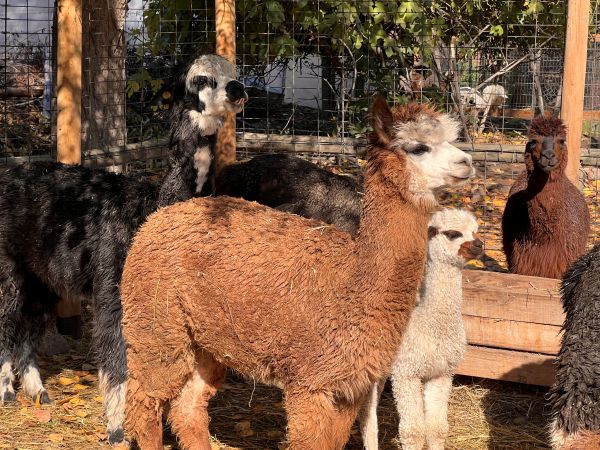
The involvement of Mundo Granja, led by veterinarian Carolina Bardon, provides a practical application for the students to observe animal behavior and biodiversity. By engaging with these diverse environments, the program aims to cultivate a scientifically literate generation capable of recognizing the complexities of animal welfare.

The collaboration between the Ministry of Science and the University of Chile reflects a broader commitment to integrating regional educational institutions into the national research framework.
Disclaimer: The information provided in this article is for educational and scientific communication purposes only and does not constitute medical advice. Always consult with a qualified healthcare provider regarding any medical condition, diagnosis, or treatment plan.