
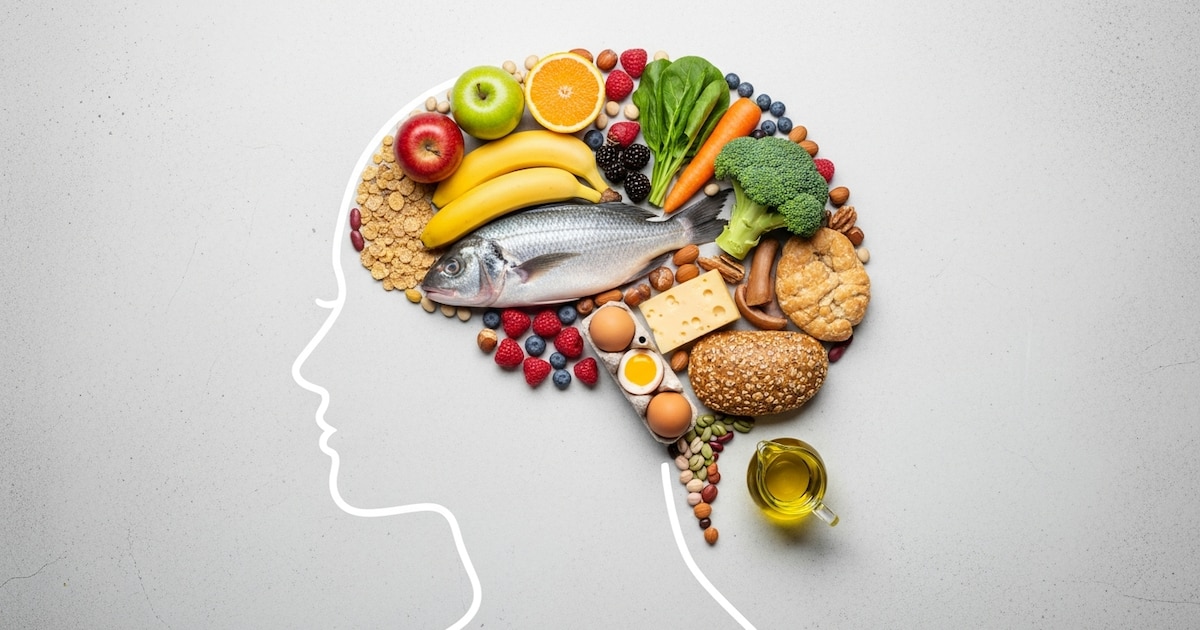
Fatty Fish Like Sardines Support Neuron Communication, Says Dr. Rodrigo Arteaga
Cognitive decline is not an inevitable consequence of aging, but a complex interplay of genetics and metabolic inputs. Recent discourse surrounding longevity science has highlighted the role of omega-3 fatty acids, specifically through the consumption of sardines, as a primary intervention for maintaining neuronal plasticity and cerebral longevity.
Key Clinical Takeaways:
- Sardines provide a high concentration of EPA and DHA, essential for maintaining the integrity of neuronal membranes.
- Omega-3s reduce neuroinflammation, a primary driver of age-related cognitive morbidity.
- Dietary integration of fatty fish serves as a non-pharmacological strategy to support synaptic communication and prevent cognitive atrophy.
The central challenge in geriatric neurology is the progressive degradation of the myelin sheath and the accumulation of pro-inflammatory cytokines in the brain. This pathogenesis often leads to a decline in synaptic plasticity, manifesting as memory loss and diminished executive function. While the medical community has long recognized the benefits of a Mediterranean-style diet, the specific biochemical efficacy of small, oily fish like sardines offers a concentrated solution to these clinical gaps. The problem is not merely a lack of nutrients, but the systemic inflammation that hinders the brain’s ability to repair itself.
The Biochemical Mechanism of Omega-3s in Neuronal Communication
Sardines are biologically superior to many other fish sources due to their position at the bottom of the food chain, which minimizes the bioaccumulation of heavy metals—a critical contraindication for long-term supplementation. The primary drivers of their cognitive benefit are Eicosapentaenoic acid (EPA) and Docosahexaenoic acid (DHA). These omega-3 fatty acids are integral components of the phospholipid bilayer of neuronal membranes.

When DHA levels are optimized, the fluidity of the cell membrane increases, which directly enhances the efficiency of neurotransmitter receptors and ion channels. This optimization ensures that the “communication” between neurons—the synaptic transmission—remains rapid and reliable. Without these lipids, the brain faces increased oxidative stress and a higher probability of developing neurodegenerative markers. For individuals already showing early signs of cognitive impairment, We see imperative to seek a comprehensive neurological baseline through board-certified neurologists to determine if dietary interventions alone are sufficient or if pharmacological support is required.
“The integration of long-chain omega-3 polyunsaturated fatty acids is not merely a nutritional preference but a structural necessity for the human brain. We see a direct correlation between high DHA concentrations and the preservation of gray matter volume in aging populations.” — Dr. Martha T. Higgins, PhD in Nutritional Neuroscience.
Epidemiological Evidence and the Longevity Framework
The assertion that sardines contribute to a “younger brain” is grounded in longitudinal data. According to a comprehensive meta-analysis published in PubMed, populations with high intakes of marine-derived omega-3s demonstrate a statistically significant reduction in the risk of Alzheimer’s disease and related dementias. These studies, often funded by independent university grants and public health organizations like the World Health Organization (WHO), emphasize that the preventative effect is most pronounced when the dietary habit is established mid-life, rather than as a rescue therapy in late senescence.
From a public health perspective, the shift toward “longevity medicine” focuses on the concept of healthspan—the period of life spent in good health—rather than mere lifespan. By reducing systemic inflammation through the consumption of fatty fish, we address the root cause of many age-related comorbidities. However, the implementation of such diets must be monitored, especially in patients with hyperlipidemia or those on anticoagulant therapy, where excessive omega-3 intake might influence bleeding times. This necessitates a coordinated effort between the patient and clinical nutritionists to tailor the dosage to the individual’s metabolic profile.
Addressing the Regulatory and Clinical Gap in Brain Health
Despite the evidence, there remains a gap in the “standard of care” regarding preventative nutrition. Most primary care visits focus on reactive treatment—treating the symptom after the cognitive decline has occurred—rather than proactive metabolic optimization. This clinical gap is where the “longevity” approach, championed by experts like Dr. Rodrigo Arteaga, becomes vital. By prioritizing nutrient-dense foods like sardines, patients can effectively lower their risk profile for cognitive morbidity.
the pharmaceutical industry is currently exploring synthetic omega-3 derivatives in various clinical trials to treat severe cognitive impairment. While these are progressing through Phase II and III trials, the biological availability of nutrients from whole foods remains the gold standard for general population health. For healthcare providers managing large patient cohorts, integrating these dietary guidelines into electronic health records (EHR) is a necessary step toward systemic improvement. Facilities looking to modernize their preventative care protocols often consult healthcare compliance attorneys to ensure that fresh nutritional guidelines align with current medical board standards and insurance reimbursement frameworks.
“We must move away from the ‘pill for every ill’ mentality. The evidence for omega-3s in neuroprotection is robust; the challenge is the scalability of dietary adherence in an era of processed foods.” — Dr. Alan Grant, Epidemiologist.
The Future of Neuro-Nutrition and Preventative Care
As we move deeper into 2026, the convergence of precision medicine and nutritional epidemiology is allowing us to identify exactly who benefits most from specific fatty acids. We are entering an era where genomic testing can determine if a patient has a deficiency in the FADS1 or FADS2 genes, which affect how the body converts plant-based omega-3s into the active EPA and DHA found in sardines. This level of personalization will transform the “one size fits all” dietary advice into a prescriptive clinical tool.
The trajectory of brain health is moving toward a holistic, proactive model. The humble sardine represents a powerful, accessible tool in this arsenal, providing the essential building blocks for a resilient brain. To ensure these interventions are safe and effective, patients should not self-diagnose their nutritional needs but instead function with a multidisciplinary team. Finding a vetted provider through our global healthcare directory is the first step in transitioning from reactive treatment to a lifelong strategy of cognitive preservation.
Disclaimer: The information provided in this article is for educational and scientific communication purposes only and does not constitute medical advice. Always consult with a qualified healthcare provider regarding any medical condition, diagnosis, or treatment plan.