
What to Do After an Animal Is Hit on the Road
Drivers face complex decisions after an animal is struck by a vehicle. Guidelines exist for handling these incidents, focusing on safety and the welfare of both humans and animals involved. The steps to take vary based on the severity of the accident and the type of animal involved.
Immediate Actions After an Accident
If a road accident results in a human’s death, serious injury, or significant vehicle/structure damage, the involved vehicles must remain in place unless the police direct otherwise. This rule is to preserve evidence. However, exceptions are made for rescuing people or animals or to prevent further danger; in such situations, vehicles can be moved only as far as necessary.
Motorists are encouraged to gather potential evidence by taking clear, time-stamped photos and videos. Documenting the accident’s precise location is also recommended, according to Ms. Aarthi Sankar, executive director of the SPCA.
Frequency of Animal-Related Road Accidents
In 2024, the SPCA investigated 15 hit-and-run cases involving animals, as stated by Ms. Sankar. This figure represents just a fraction of the actual incidents, as some cases are reported to other organizations, and others go unreported. The SPCA was unable to provide data for prior years.
In 2024, at least two sambar deer died on roads. Wildlife groups have noted a significant increase in reported roadkill of critically endangered Sunda pangolins in recent years. Between 2021 and 2023, Mandai Wildlife Group’s animal hospital saw over 40 pangolins killed or injured annually, up from around 20 yearly between 2015 and 2020.
The NEA’s spokesperson reported receiving around 1,700 public reports yearly over the past three years regarding sightings of dead animals and birds. The public can report animal carcass sightings through the myENV or OneService app.
Defining a Road Hazard
The TP has stated that there’s no specific size criterion to classify an animal as a road hazard. Factors such as traffic volume, the animal’s position on the road, and the speed limit should be considered. If the animal obstructs the road or forces drivers to take evasive actions or brake suddenly, it should be moved if safe to do so.
Moving an Injured Animal
If an injured animal or carcass poses a safety risk, motorists can move it to a safer area if possible, according to the TP. Otherwise, motorists should contact the police for assistance. However, ACRES cautions against touching or handling specific animals.
“Animals like wild pigs, otters and sambar deer who are injured can be defensive and scared and we suggest for (the) public not to handle them,”
—ACRES
Dealing with Pets
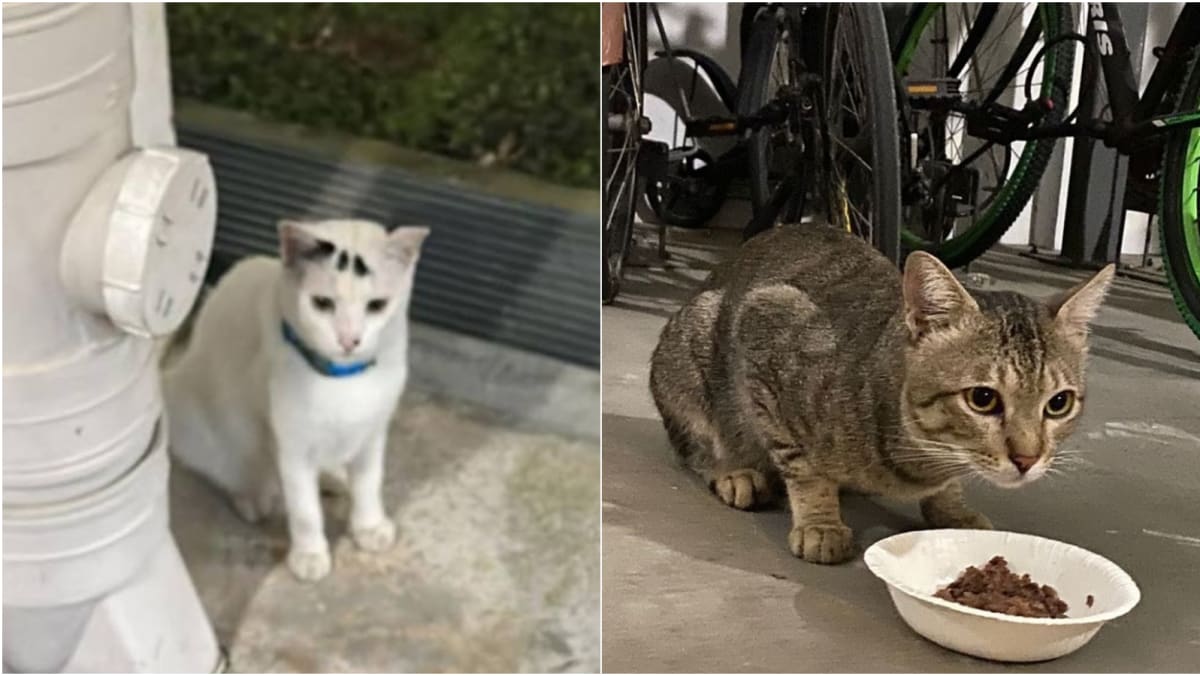
If the animal is likely a pet, drivers must take reasonable steps to inform the owner of the accident, according to NParks. Drivers should check for collars, tags, or any identifying features and take clear photographs. This information should be sent to NParks to help reunite the pet with its owner. ACRES advises noting the accident location and posting on lost-and-found pet pages on Facebook.
According to the National Highway Traffic Safety Administration, approximately 1.25 million road traffic fatalities occur worldwide each year (NHTSA Data).
