Family Demands Repatriation of Pakistani Sailor Killed off Oman Coast
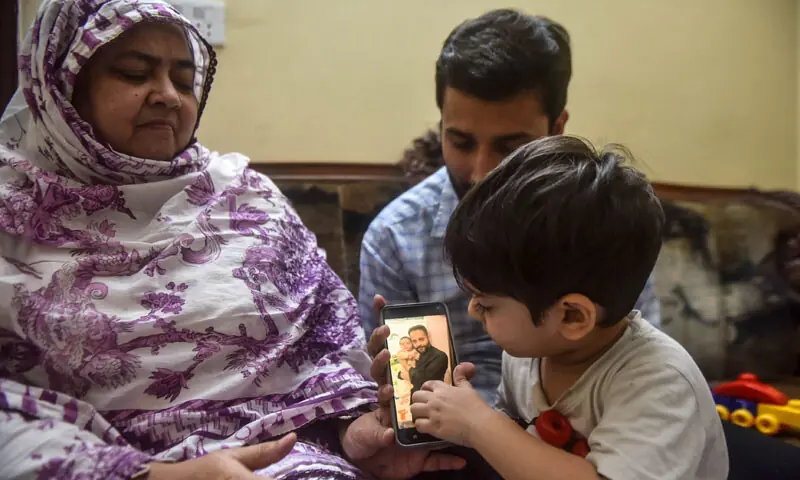
“This is my Baba, he is with Allah Mian now,” three-year-old Musa exclaimed, kissing a phone screen displaying his father as his family in Pakistan awaited the return of his mortal remains following a fatal attack near the Strait of Hormuz. Muhammad Hammad Obaida, a 34-year-old third engineer aboard the Panama-flagged oil tanker MT El Gaia, was killed during a strike on the vessel on Sept 13 off the coast of Oman, according to a report published in Dawn on Oct 12, 2026. Nearly a month after the incident north of Oman’s Musandam peninsula, his pregnant widow and relatives remain locked in an anxious wait for repatriation while authorities trade blame and administrative hurdles delay identification.
Timeline of the MT El Gaia Attack and Discovery of Victims
The sequence of events surrounding the vessel remains partially obscured by conflicting media accounts. According to multiple reports, MT El Gaia came under attack on Sept 13 while navigating near Oman’s northern coast. Reuters subsequently reported that the oil tanker was towed to an Omani port roughly five days after the strike.
US and Iranian authorities traded blame over responsibility for the attack. However, the grim human toll inside the vessel’s engine room only emerged days later. During a headcount following the strike, crew members realized men were missing. The bodies of two sailors—a Pakistani and an Indian—who had perished in an engine room fire were subsequently discovered.
Hammad’s family learned of the tragedy on Sept 26 through one of his surviving colleagues. The marine engineer, a graduate of Glasgow University in the UK, had departed for work on Sept 6. Just a day prior to the attack, he spoke with his mother, Ather Pervaiz, via a video call, showing her around the ship and expressing happiness about returning to his career.

Pakistani Authorities Ignore Families Seeking DNA Test Results
Grieving relatives report facing a wall of institutional silence from Pakistani authorities. Hammad’s younger brother, Fawwad, stated that despite dispatching countless letters and reaching out to the Pakistan Embassy in Oman, the Foreign Office, and the prime minister through social media, the family received no clear official response. Efforts to engage the Sindh government yielded only acknowledgment that the matter was known.
Fawwad noted that while the Pakistani embassy in Oman confirmed two bodies were awaiting DNA testing in the country, no domestic authority had collected a DNA sample from the family to fast-track identification. Fawwad has maintained direct communication with Vivek, the brother of Indian seafarer Sumit Kumar, whose body was recovered alongside Hammad’s.
Responding to inquiries, the Foreign Office spokesperson confirmed that the remains of the Pakistani and Indian seafarers are currently lying in an Omani hospital mortuary. The spokesperson stated that the bodies were severely disfigured, making DNA testing mandatory and delaying their eventual repatriation to grieving families.