
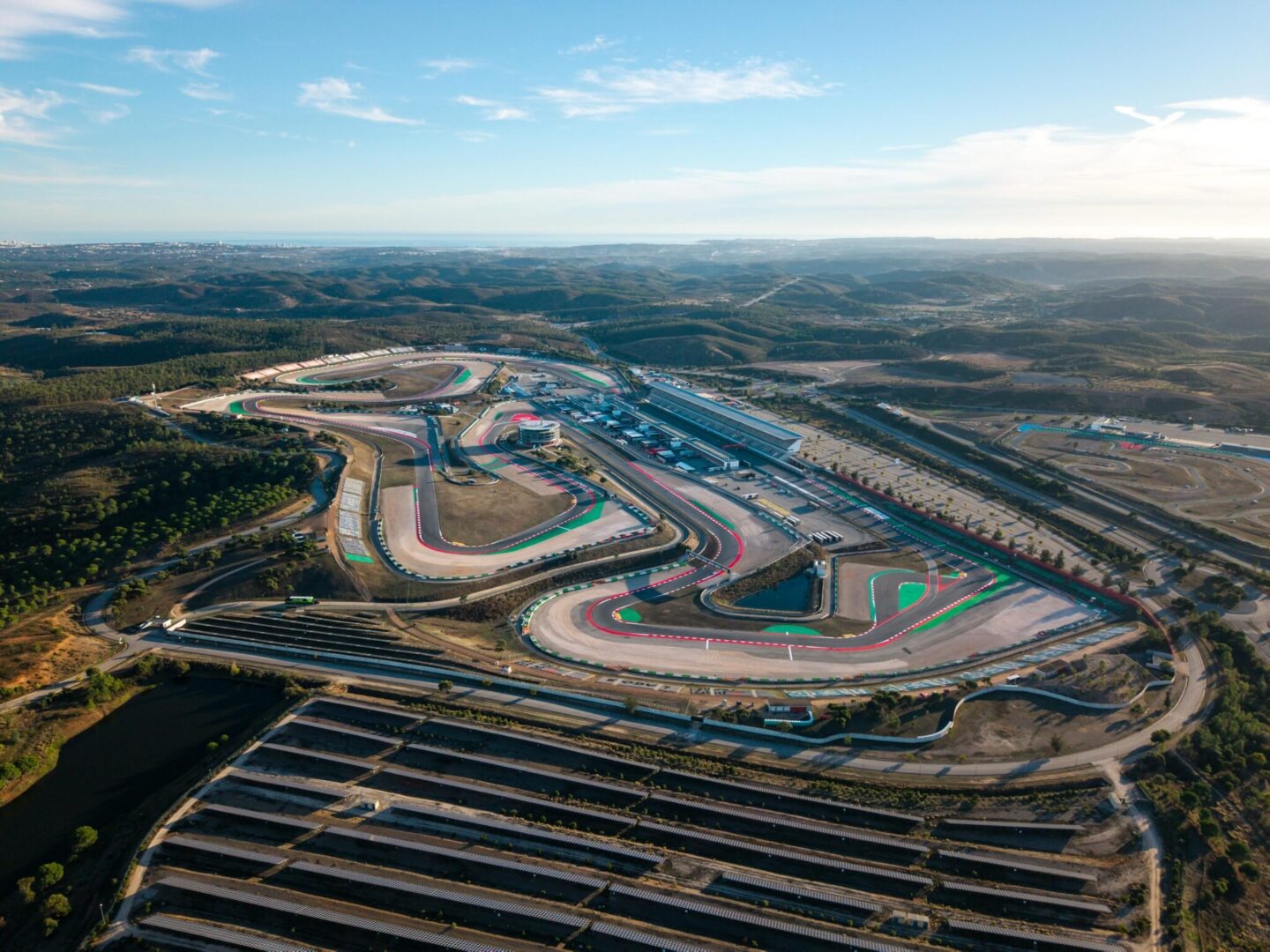
Portugal’s Algarve region is now at the center of a structural shift involving global sports‑tourism competition. The immediate implication is a measurable boost to regional economic activity and an elevation of Portugal’s soft‑power profile.
The Strategic Context
historically, the Autódromo Internacional do Algarve hosted the Formula 1 Grand Prix in 2020 and 2021, after which the event was paused amid scheduling constraints and the pandemic. In the broader context, major motorsport series have been expanding their calendars to tap new markets, while host nations increasingly view high‑profile sporting events as engines for tourism, investment, and international branding. Europe’s regional development policies and the EU’s emphasis on diversified tourism amplify the strategic relevance of such events for peripheral regions like the Algarve.
Core Analysis: Incentives & Constraints
Source Signals: The text confirms a two‑year commercial agreement (2027‑2028) to return the Portuguese Grand Prix to Portimão,involving the Portuguese government,Turismo de Portugal,and promoter parkalgar.officials cite “high demand” for F1, direct economic impact across tourism, trade, services, and SMEs, and a boost to regional development and global image.
WTN Interpretation: Portugal’s incentive is to leverage the Grand Prix as a catalyst for post‑pandemic tourism recovery, diversify the Algarve’s economy beyond seasonal beach tourism, and reinforce its standing within EU cohesion funds. The government’s leverage lies in its ability to allocate public funding, streamline permitting, and promote the event through national tourism agencies. Constraints include fiscal pressure from broader public spending priorities, the need to meet F1’s technical and safety standards, and competition from othre European venues seeking similar contracts. For Formula 1, the incentive is to fill calendar slots with markets that promise strong ticket sales, sponsorship revenue, and media rights value; the Algarve offers a proven circuit, a growing Portuguese consumer market, and a strategic foothold in the Iberian Peninsula. Its constraints are the limited number of viable European circuits, the cost of logistics, and the risk of over‑saturating the calendar, which could dilute viewership.
WTN Strategic Insight
“In the era of experience‑driven economies, a single motorsport event can become a regional growth platform, turning a peripheral coastline into a permanent node of global soft‑power.”
Future Outlook: Scenario Paths & Key Indicators
Baseline Path: If the agreement proceeds without fiscal or regulatory setbacks, the Algarve will see a measurable uptick in international visitor arrivals during the race weekends, prompting ancillary investment in hospitality, transport, and real‑estate. The successful execution will likely encourage Formula 1 to consider further extensions or additional events in Portugal, reinforcing the country’s position in the sport’s European circuit.
Risk Path: If macro‑economic pressures force the Portuguese government to curtail discretionary spending, or if logistical challenges (e.g., supply chain disruptions for circuit upgrades) arise, the Grand Prix could be scaled back or face postponement.A weakened event would limit the anticipated tourism surge and could diminish Portugal’s leverage in future sport‑tourism negotiations.
- indicator 1: Quarterly tourism performance data for the Algarve (visitor numbers, hotel occupancy) for Q2‑Q3 2025, to gauge baseline demand ahead of the race.
- Indicator 2: Official release of the Formula 1 2027 calendar and any announced changes to the Portuguese slot, expected in the next F1 commercial rights cycle.
