
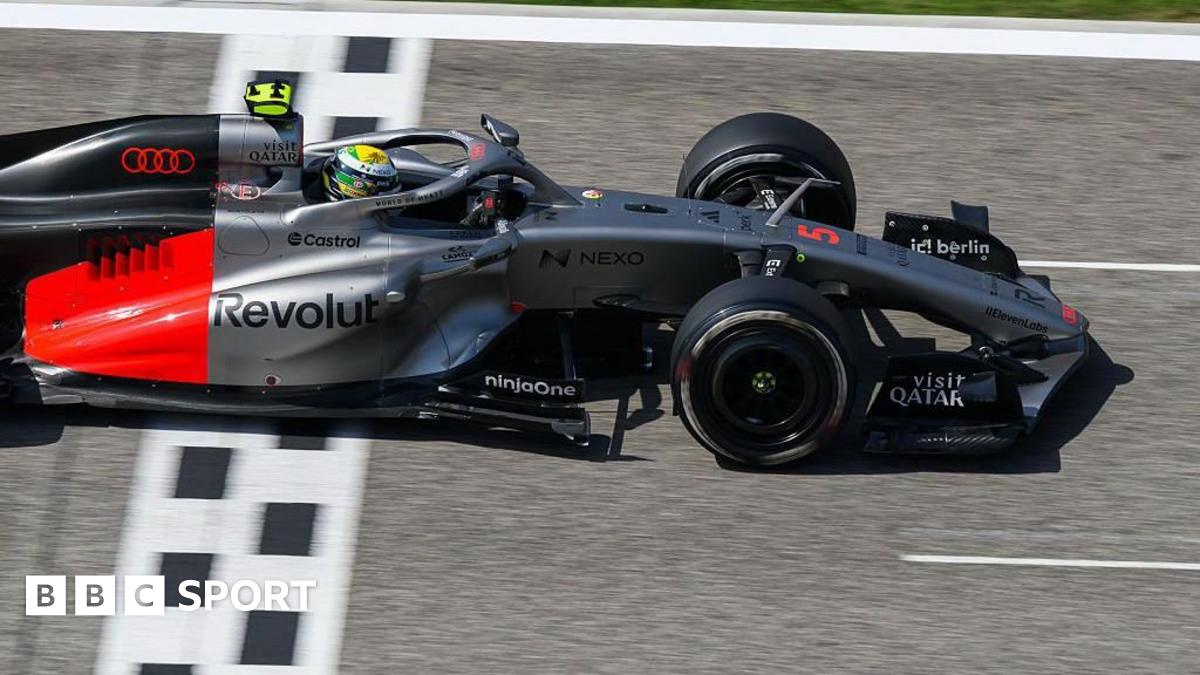
Bahrain – Formula 1 teams concluded a six-day pre-season testing period at the Bahrain International Circuit with a series of questions surrounding the sport’s radical overhaul for the 2026 season. The changes, encompassing power units, chassis design, tyres and crucially, fuel composition, represent the most significant regulatory shift in decades, aiming for a more sustainable and competitive racing environment.
Central to the transformation is the introduction of Advanced Sustainable Fuels, mandated for all F1 cars starting in 2026. These e-fuels are derived from sources like carbon capture, municipal waste, and non-food biomass, representing a key step towards Formula 1’s commitment to achieving Net Zero by 2030, according to a statement released by the sport’s governing body.
The new power units will feature a near 50-50 split between electric and internal combustion power, demanding a significant shift in energy management from drivers. This has already sparked debate, with four-time world champion Max Verstappen describing the new cars as “like Formula E on steroids” due to the increased complexity of managing energy deployment. The Drag Reduction System (DRS), a staple of modern F1, has been replaced by an ‘overtake mode’ which provides a burst of electric energy when a driver is within one second of the car ahead at a designated detection point.
Beyond the power unit, aerodynamic changes are equally profound. Active aerodynamics, allowing both front and rear wings to adjust their angles to reduce drag on straights and increase downforce in corners, have replaced DRS. Ferrari’s innovative rotating ‘upside down’ rear wing, demonstrated during testing, highlighted the potential of this technology, though its effectiveness and legality remain subjects of scrutiny.
The 2026 cars themselves are smaller and lighter, with a target weight of 724kg, a reduction of 30 kilograms compared to current models. The wheelbase has been shortened by 200mm to 3400mm, and the car width reduced by 100mm. These changes are intended to promote closer racing and more agile handling, as outlined by the FIA’s ‘Nimble Car Concept’.
Seven-time world champion Lewis Hamilton acknowledged the increased complexity of the new regulations, stating they make Formula 1 “ridiculously complex,” but similarly noted that the cars were “more fun” to drive. Yet, the demands of energy management and the intricacies of the active aerodynamic systems have raised concerns about the potential impact on racing spectacle and driver workload.
Formula 2 and Formula 3 have already been utilizing 100% sustainable fuels in competition, serving as a testing ground for the technology that will be implemented in F1 next season. According to F2 and F3 CEO Bruno Michel, the collaboration with Aramco has allowed for the rapid development and implementation of these fuels, exceeding initial expectations.
The FIA has not yet commented on specific concerns raised by drivers regarding energy management and the complexity of the new rules. The next scheduled event is the opening race of the 2026 season, also at the Bahrain International Circuit, where the true performance and reliability of the new generation of Formula 1 cars will be put to the test.
