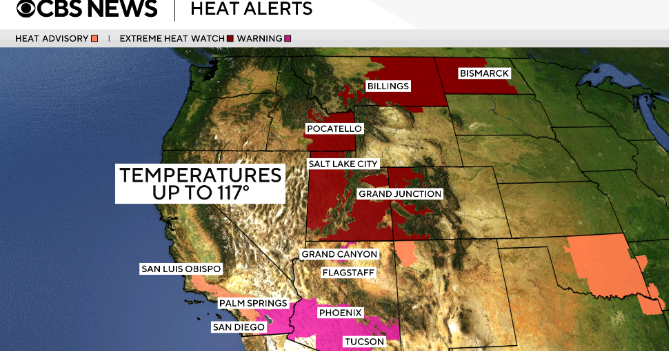
Extreme Heat Wave Hits Western US With Temperatures Up to 117°F
A persistent, high-pressure heat dome is blanketing the western United States as of July 9, 2026, pushing temperatures toward a dangerous 117 degrees Fahrenheit in desert regions. The extreme heat, characterized by the National Weather Service as a long-duration event, threatens to strain regional power grids and increase health risks for vulnerable populations across California, Arizona, and Nevada.
The Mechanics of a Prolonged Thermal Event
Meteorological data indicates that an upper-level ridge of high pressure—commonly referred to as a “heat dome”—has become anchored over the Intermountain West. This system traps heat at the surface, preventing the normal cooling cycles that typically occur overnight. According to the National Weather Service, the duration of this event is what elevates the risk profile; while single-day spikes are manageable, multi-day exposure to triple-digit temperatures prevents the human body from recovering, significantly increasing the probability of heat-related illnesses.
Infrastructure in the region faces a dual threat: thermal expansion of critical transport systems and a massive surge in electrical demand. As air conditioning units run at maximum capacity, the stability of the Western Interconnection grid becomes the primary concern for municipal authorities.
Infrastructure Resilience and the Role of Specialized Oversight
The economic impact of such sustained temperatures extends beyond immediate utility costs. Commercial real estate developers and municipal planners are currently grappling with the reality of building materials reaching their thermal limits. When concrete and steel are subjected to prolonged, extreme heat, the risk of structural compromise increases, necessitating rigorous inspections and rapid intervention.
For businesses and facility managers, the current environment is a test of operational continuity. Securing reliable, emergency restoration contractors is no longer a precautionary measure but a baseline requirement for maintaining high-density infrastructure. Without verified, round-the-clock support, the risk of catastrophic system failure during peak load hours is elevated.
“We are observing a shift in how municipalities approach seasonal climate risks. It is no longer about seasonal preparation but about building permanent, redundant systems that can withstand these recurring, extreme thermal windows,” notes a regional infrastructure analyst monitoring the current grid load.
Legal and Regulatory Exposure for Property Owners
The heat wave brings a secondary wave of legal and regulatory scrutiny. Property owners, particularly those managing multi-family residential units or industrial warehouses, are under heightened pressure to provide adequate cooling and safety measures to comply with updated municipal heat-mitigation ordinances. Failure to maintain these standards during a declared emergency can lead to significant liability.
Navigating these municipal requirements is a logistical minefield. Many property owners are turning to top-tier commercial real estate attorneys to shield their assets from potential litigation related to habitability and safety standards. Ensuring that lease agreements and maintenance protocols align with current state-mandated cooling requirements is a critical step in mitigating long-term financial exposure.
Regional Economic Impacts and Future Planning
The agricultural sector, particularly in California’s Central Valley and Arizona’s desert basins, is bracing for crop yield volatility. The United States Department of Agriculture has previously noted that sustained temperatures above 110 degrees can induce heat stress in both perennial and annual crops, affecting water usage rights and supply chain stability.
Small to medium-sized enterprises in these regions are also navigating the costs of energy efficiency retrofits. Accessing expert energy efficiency consultants has become the primary strategy for firms looking to lower their long-term overhead in a climate where “extreme” is becoming the new baseline.
As the mercury climbs toward 117 degrees, the focus remains on the intersection of human health and structural integrity. The current heat wave is not an isolated incident, but a clear indicator of the necessity for proactive, professional planning. Whether it is through the deployment of specialized cooling infrastructure or the engagement of legal teams to navigate the complexities of property liability, the readiness of the private sector will define the economic impact of this summer’s most intense weather events. Those who wait for the peak of the crisis to act often find that the resources required for stability are already fully committed elsewhere.