Explosion Near French Border Injures Ukrainian Oligarch and Family Man on the Run
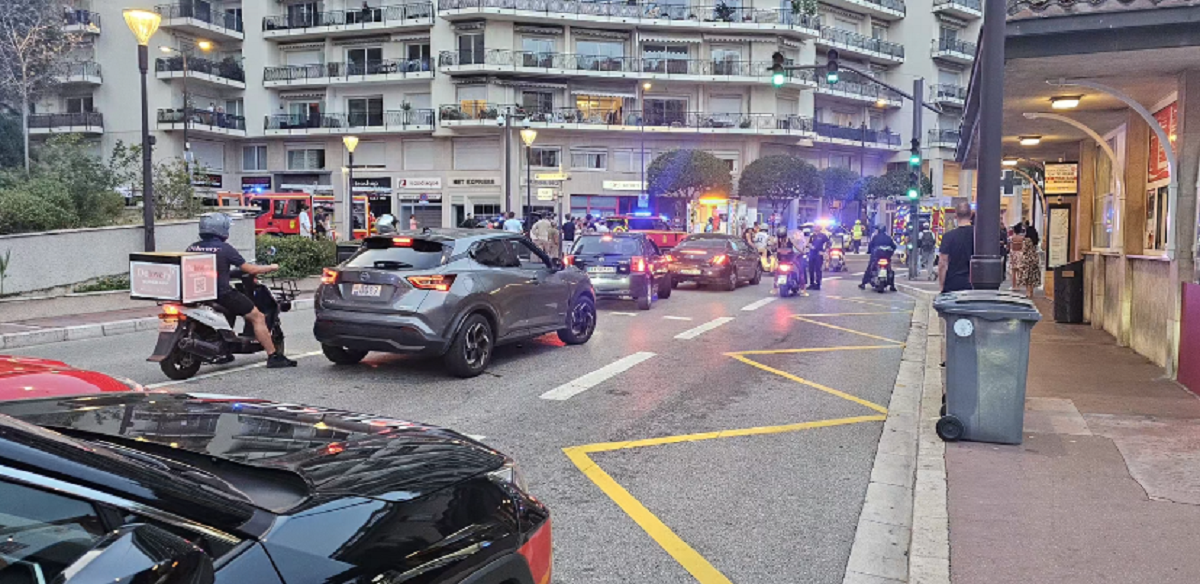
A residential explosion in Monaco on June 29, 2026, has left three members of a Ukrainian family hospitalized, including two in critical condition. Authorities have confirmed a suspect remains at large following the blast, which occurred near the French border. Local law enforcement has cordoned off the area to conduct a forensic investigation into the cause of the incident.
The Incident and Current Casualty Status
The explosion occurred at a residential building situated along the border separating Monaco from France. Emergency services arrived on the scene shortly after the detonation to stabilize the victims. According to initial reports, three individuals from the same Ukrainian family were injured in the blast. Two of these victims remain in critical condition, classified as “absolute emergency” cases by medical responders on-site.

Among those confirmed injured is Vadim Ermolaev, a prominent businessman and oligarch. The severity of the structural damage to the residence has prompted local authorities to initiate a high-priority investigation. Monaco’s Public Security department is currently leading the search for a suspect who was observed fleeing the vicinity immediately following the explosion.
Security Protocols in the Principality
Monaco maintains one of the highest densities of surveillance technology in the world, a factor that is expected to play a critical role in tracking the suspect’s movements. The Principality’s security apparatus is tightly integrated with French law enforcement agencies given the proximity of the blast to the border. This cross-border cooperation is standard procedure for major security incidents in the region, as outlined in the bilateral agreements between France and Monaco.

For residents and property owners in the area, the event highlights the necessity of robust physical security measures. When high-profile individuals are targeted, the immediate aftermath often involves a surge in demand for specialized protection. High-net-worth individuals and corporate entities often rely on professional risk assessment firms to evaluate residential vulnerabilities before such incidents occur.
Legal and Forensic Challenges
The investigation is currently focused on determining the mechanism of the explosion and the identity of the perpetrator. Forensic teams are searching the debris for traces of accelerants or explosive components. Under Monegasque law, the investigation into a violent crime of this magnitude is handled with extreme sensitivity to preserve the integrity of future judicial proceedings.
The incident presents complex challenges regarding liability and security insurance for residential complexes. Property managers in the region are currently reviewing their safety protocols to ensure compliance with stringent local regulations. In situations where security is compromised, property owners typically engage with specialized legal counsel to navigate the complexities of international insurance claims and civil litigation.
A regional security observer tracking the investigation noted that the proximity of the incident to the French border requires a synchronized response between Monegasque and French authorities to ensure the suspect cannot exploit jurisdictional gaps.
Impact on Regional Stability
The presence of high-profile international residents in Monaco has historically necessitated a sophisticated security environment. However, this event underscores the limits of even the most advanced surveillance systems when faced with targeted violence. The incident is likely to trigger a review of security requirements for residential buildings that house public figures or high-net-worth individuals.

For those managing property or business assets in the Principality, the focus has shifted toward preventative measures. Whether through upgrading perimeter security or conducting thorough background checks for residential staff, the priority remains the mitigation of risk. Organizations specializing in emergency site remediation and structural safety are often the first responders tasked with stabilizing property infrastructure after such a catastrophe.
As the investigation continues, the focus remains on the recovery of the victims and the apprehension of the fugitive. The integration of international law enforcement databases will be essential in identifying the suspect, particularly if they have crossed into French territory. The case serves as a stark reminder of the global nature of security threats, even within the highly regulated environment of the Principality.
The search continues as the authorities process forensic evidence recovered from the site. The stability of the border region remains a primary concern for local officials, who are tasked with balancing the privacy of the Principality’s residents with the public’s right to safety in a time of crisis.