Strategic Autonomy Reshaping Diplomacy, Analysis by The Diplomatic Insight Says
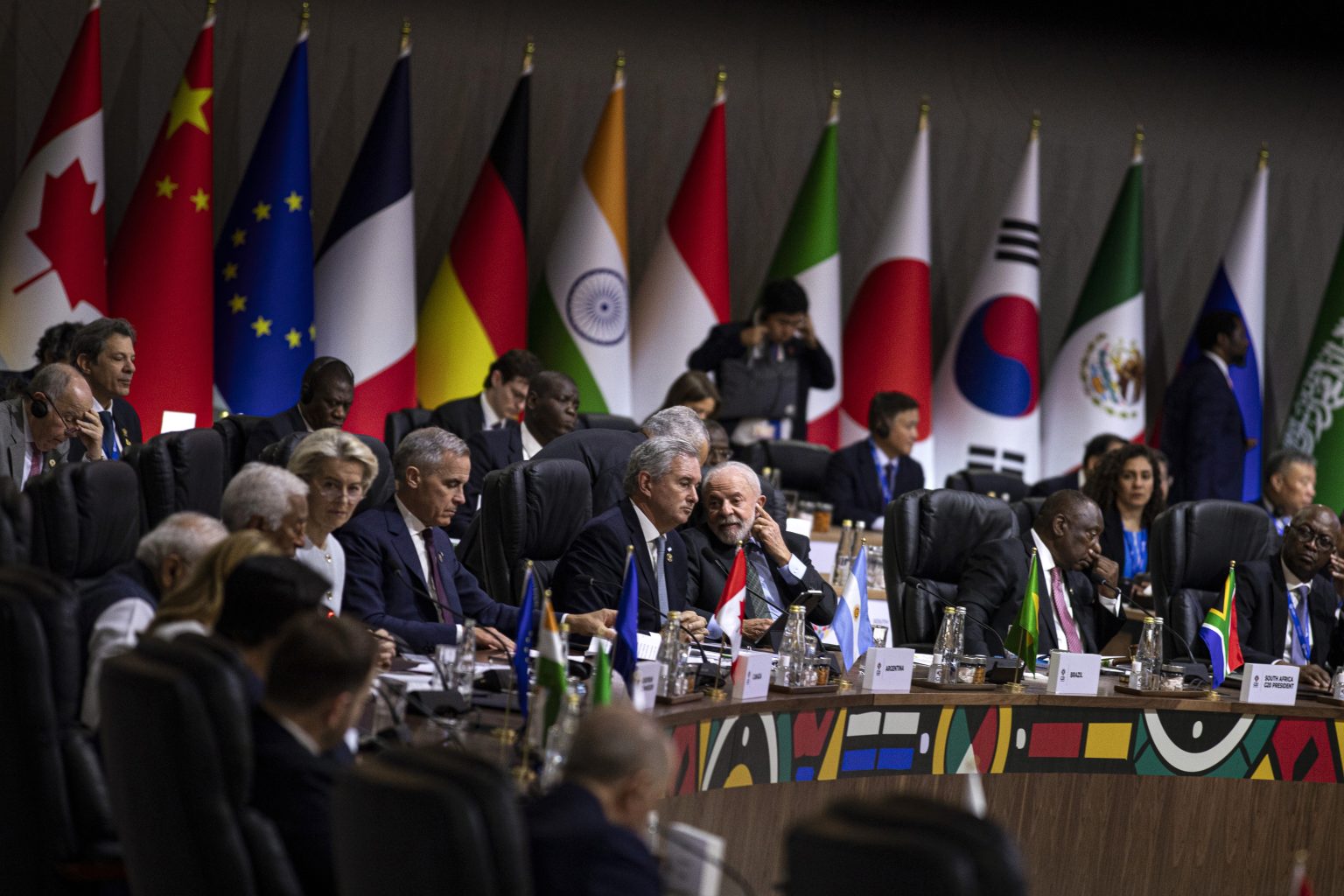
Strategic autonomy is reshaping international diplomacy as a growing number of states refuse to choose sides in great-power competition, according to an analysis published in The Diplomatic Insight. Rather than returning to 20th-century non-alignment or static neutrality, middle powers are preserving optionality by cooperating with competing global capitals across distinct domains without locking themselves into permanent blocs.
Middle Powers Pursue Flexible Alignment Over Cold War Blocs
International politics during the Cold War demanded a straightforward answer from states regarding bloc membership. Modern diplomacy, by contrast, operates through fluid arrangements. Analysts Soon-Ok Shin, Chris Alden, and Richard Higgott argue that middle powers are recalibrating their foreign policies through hedging, strategic autonomy, and multi-alignment rather than conforming to rigid camps.
This approach allows a state to act as a security partner of Washington, an economic partner of Beijing, an energy partner of Moscow, and a diplomatic partner of governments opposing all three. Economic, security, and diplomatic relationships no longer move in tandem. The primary objective is preserving the capacity to choose later rather than letting any single relationship dictate national policy.
Hedging Against Vulnerability Through Flexilateralism
Hedging is distinct from mere indecision. Committing fully to a single security provider can generate strategic vulnerabilities, while relying on one dominant market erodes a state’s bargaining power.

Türkiye exemplifies this issue. The state maintains active membership in NATO alongside extensive ties with the United States and Europe, while simultaneously sustaining a significant economic and political relationship with Russia. The Geneva Centre for Security Policy characterizes this engagement as fluid and issue-dependent, noting that middle powers often belong to alliances without making those commitments exclusive.
This multi-alignment framework, sometimes termed flexilateralism, allows countries to assemble coalitions by specific issue rather than permanent geography. India deepens security ties with the United States while maintaining defense and energy partnerships with Russia. Saudi Arabia preserves its security arrangements with Washington while expanding diplomatic and economic reach globally. Indonesia balances engagement through ASEAN with partnerships spanning China, the United States, and the broader Global South, while Pakistan maintains strategic coordination with China alongside relationships across the Gulf and Western states.
Using Competition for Strategic Bargaining Space
Great-power competition is frequently viewed as a constraint on smaller and middle-sized states, but it also gives them diplomatic advantages. When Washington and Beijing compete intensely for influence, nations possessing valuable markets, strategic geography, or critical resources gain negotiating power.
The Council of the European Union’s Forward Look 2026 notes that regional and middle powers increasingly arbitrate crises and fill diplomatic gaps left by shifting American and Chinese priorities. These actions occur through flexible, issue-specific configurations that form and dissolve pragmatically.
Connectivity has thus emerged as a primary currency of international influence. States linked to multiple strategic networks without being absorbed by any single power hold rare access across political divides. However, this strategy carries distinct risks. Multi-alignment can decay into transactionalism, and a state attempting to benefit from all sides risks losing trust.
Sustaining strategic autonomy requires substantial domestic capacity. Economic resilience builds bargaining space, military capability provides deterrence, and strong institutional governance allows leaders to maintain complex, multi-vectored foreign policies over time.