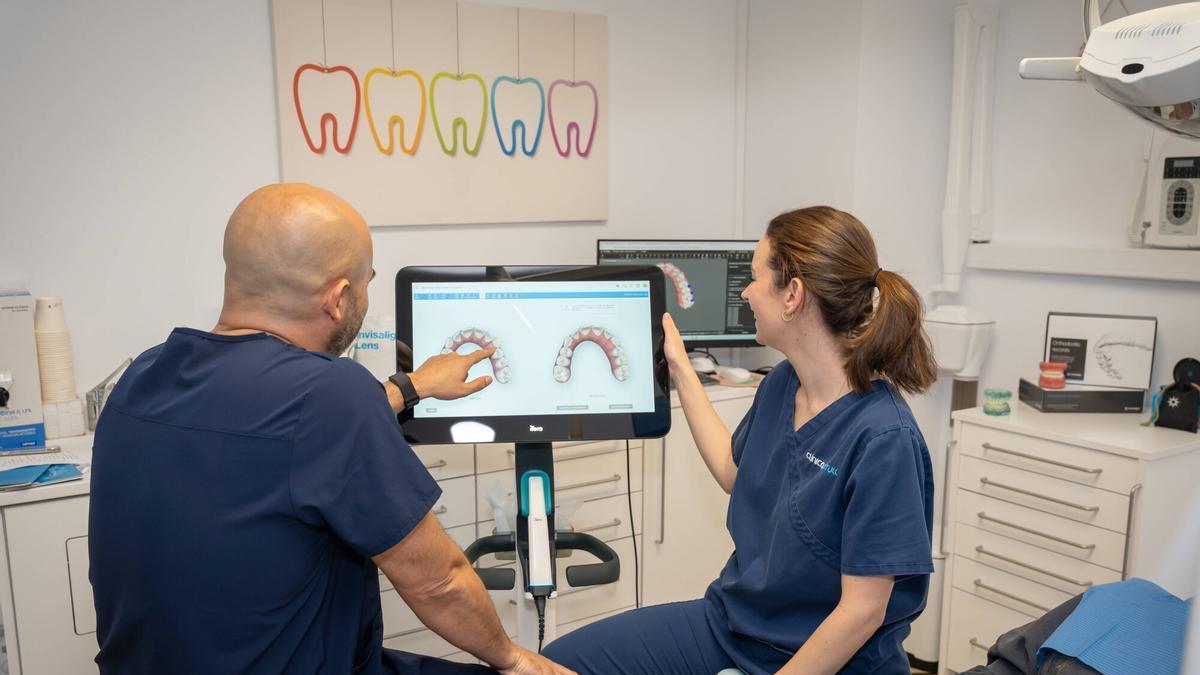
Expert Warns Bótox for Bruxism Is Not a Universal Cure, Urges Diagnosis First
“The objective is not to quickly find a treatment, but to find out if there is a problem we really must treat,” said José Luis Rull, director of Clínica Dr, according to Diario de Ibiza. Rull in Ibiza.
That diagnostic principle guides the clinic’s approach to bruxism, a condition Rull said is increasingly misunderstood by patients who arrive requesting botulinum toxin injections after searching online. Diario de Ibiza reported the specialist’s warning that the popularity of masseter Botox has outpaced the clinical evidence supporting its routine use.
Key Clinical Takeaways:
- Bruxism is now classified as a masticatory muscle activity, not a disease, and does not automatically require intervention.
- Botulinum toxin reduces muscle force temporarily but does not cure the underlying motor activity and carries risks including bone density changes with repeated use.
- Conservative measures — occlusal splints, habit reversal for awake bruxism, and sleep disorder screening — remain the indicated first-line strategies.
Rull said the distinction changes the clinical question from "how do we stop the grinding" to "what consequence, if any, requires management."
At Clínica Dr. Rull, the workup includes joint palpation, muscle examination, dental wear analysis, and a review of medications — particularly SSRIs and dopamine agonists — known to induce bruxism. Sleep history is taken to rule out obstructive sleep apnea, which can drive nocturnal motor events. Rull said dental wear alone does not prove active bruxism; erosion, attrition from diet, or historical grinding can mimic the presentation.
Botulinum toxin type A inhibits acetylcholine release at the neuromuscular junction, reducing masseter and temporalis contractile force. Systematic reviews, including a 2022 Cochrane analysis, report modest improvements in myofascial pain scores at four to eight weeks post-injection. However, the same reviews rate the certainty of evidence as low to very low, citing small sample sizes, heterogeneity in dosing (typically 20–50 units per masseter), and lack of long-term safety data.
Rull emphasized that weakening the muscle does not eliminate the central drive to clench. Patients may continue the motor pattern against reduced resistance, potentially altering joint loading. Adverse effects documented in clinical series include transient smile asymmetry, masticatory fatigue, and rare dysphagia from medial pterygoid diffusion.
For sleep bruxism with tooth wear, a properly adjusted hard acrylic occlusal splint protects dentition and redistributes forces. Rull said the splint does not suppress the motor event but prevents its destructive consequence. For awake bruxism, cognitive-behavioral strategies — habit awareness training, tongue-rest position cues, and stress modulation — address the behavioral driver. Physical therapy targeting the masticatory and cervical musculature reduces myofascial pain in controlled trials.
When conservative measures fail and myofascial pain persists, Rull said botulinum toxin may be considered as an adjunct, not a starting point. “In medicine and dentistry, knowing when not to treat is also part of treating well,” he said.
Rull, a dentist based in Ibiza since at least 2013, has built a practice centered on microscopic dentistry, endodontics, and aesthetic restoration. His clinic on Carrer de Vicent Serra i Orvay treats adults and is noted for handling complex retreatments, including cases where teeth previously slated for extraction were saved through re-endodontic procedures.
Patient reviews spanning nearly a decade highlight his availability for urgent dental emergencies, such as re-cementing veneers on weekends, a practical asset in a seasonal tourist destination. He holds colegiado number 0855.
Disclaimer: The information provided in this article is for educational and scientific communication purposes only and does not constitute medical advice. Always consult with a qualified healthcare provider regarding any medical condition, diagnosis, or treatment plan.
Worth a look
- Lancet Psychiatry Review Flags Escitalopram, Duloxetine, Agomelatine in Long-Term Study
- WhatsApp Tests Native Cloud Backup for Android With 2 GB Free Encrypted Storage
- Galatasaray Beat Samsunspor 2-1; Uğurcan Çakır Warns of Critical Month (newsy-today.com)
- Marlon Jackson Discloses Four-Year Stage 4 Prostate Cancer Diagnosis (archyde.com)