
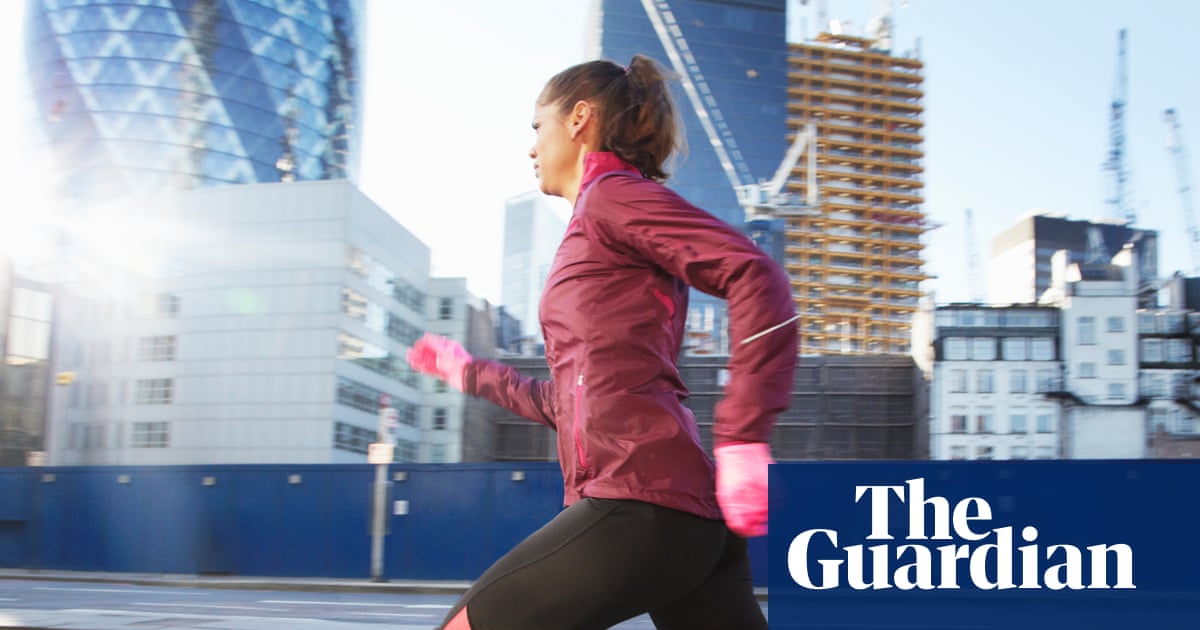
Aerobic exercise, including running, swimming, and dancing, can be considered as effective as traditional treatments for mild depression and anxiety, according to new research published this week. The findings, based on an analysis of data from nearly 80,000 participants, suggest that working out with others yields the most significant benefits.
Scientists analyzed 63 published reviews examining the impact of exercise on mental health, identifying notable improvements in young adults and new mothers – demographics particularly susceptible to mental health challenges. The research, appearing in the British Journal of Sports Medicine, indicates that group aerobic exercise is the most potent physical activity for alleviating symptoms of both depression and anxiety.
“Exercise can have a similar effect, and sometimes a stronger impact, than traditional treatments,” stated Neil Munro, a psychologist at James Cook University in Queensland, Australia. “Getting moving, in whatever shape or form works best for each person, can help mitigate depression and anxiety symptoms.”
Although aerobic exercise proved most effective for depression, the study found that shorter-duration, lower-intensity programs may be optimal for managing anxiety. Forms of aerobic exercise that elevate heart rate demonstrated the greatest impact on depressive symptoms, with resistance training and yoga showing lesser effects. A similar, though smaller, trend was observed for anxiety.
The research highlights the importance of social interaction in the therapeutic benefits of exercise. Participants who engaged in group exercise or supervised activities experienced greater improvements, suggesting that socializing plays “a crucial role in the antidepressant effects of exercise,” Munro explained.
The findings come as rates of depression and anxiety continue to rise globally. The World Health Organization estimates that over 280 million people worldwide suffer from depression and 301 million from anxiety disorders. In the United Kingdom, cases have increased sharply among individuals aged 16 to 24 in the past decade. Approximately 15 to 20 percent of new mothers experience depression or anxiety within the first year postpartum.
Experts caution that the research primarily focuses on individuals with mild symptoms. Dr. Brendon Stubbs, who studies exercise and mental health at King’s College London, emphasized that “For people with mild or subclinical symptoms, exercise can reasonably be considered a frontline treatment option.” Yet, he added, there is currently no evidence to suggest that individuals should alter or discontinue established treatments like psychotherapy or medication.
Professor Michael Bloomfield, a psychiatrist at UCL, echoed this sentiment, stating that group exercise, such as dance classes, can reduce anxiety and depression symptoms through a combination of physical activity, social connection, enjoyment, routine, and serves as a potential addition to existing care. However, he noted that energetic group activities may be unrealistic for individuals experiencing severe depression, and exercise should be viewed as complementary to, not a replacement for, evidence-based treatments.
The study analyzed a wide range of exercises, including resistance training, aerobic workouts, and mind-body practices like yoga and tai chi. Researchers aimed to determine the effects of exercise across all age groups, as well as in pregnant women and new mothers.
