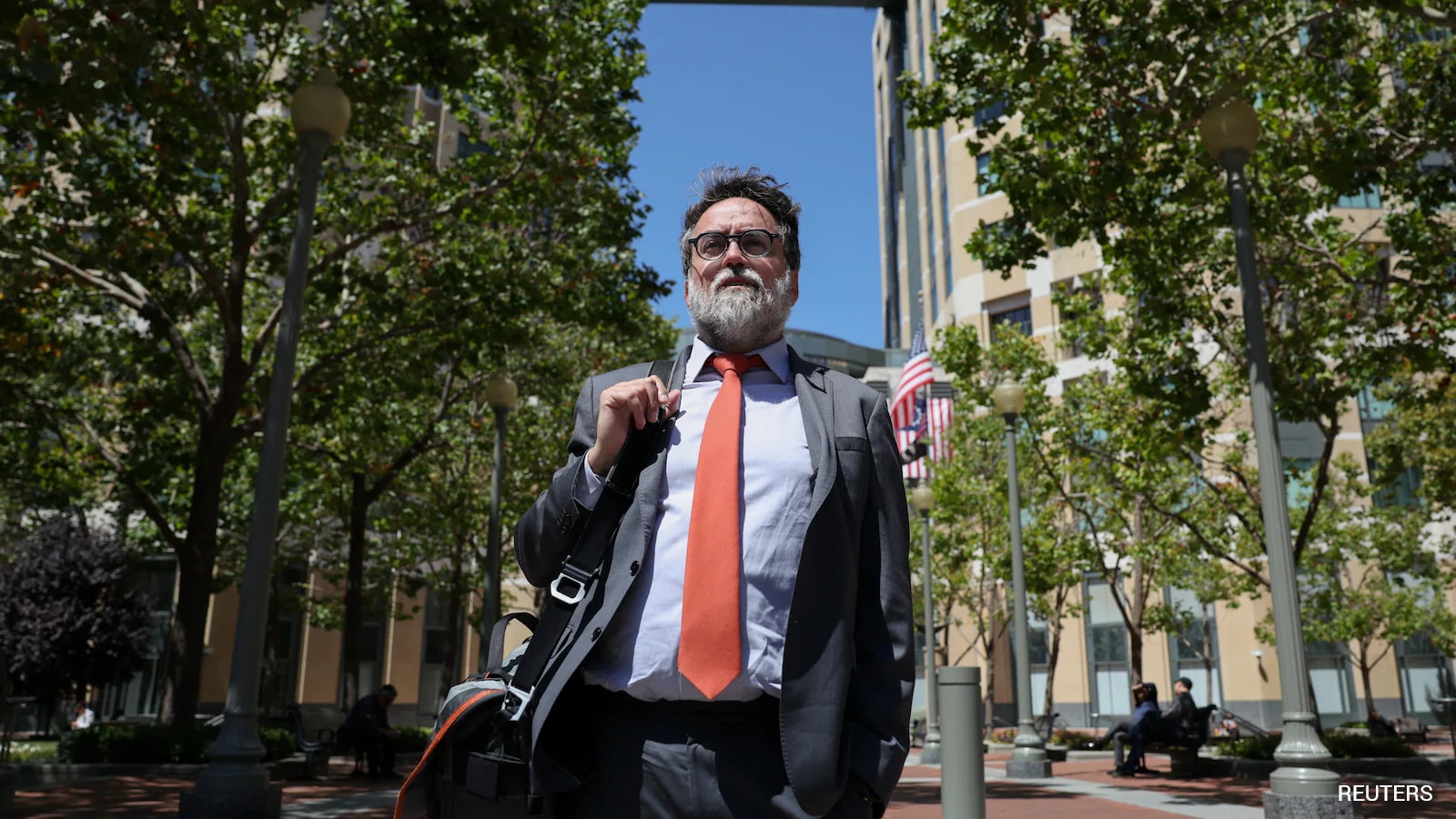
Ex-Meta Engineer Testifies Instagram Causes Harm to Youth in Historic Trial
Arturo Béjar, a former Meta staffer, testified on August 19, 2026, in a federal trial in Oakland, California, that his 14-year-old daughter was targeted by strangers sending requests for sex and pictures of private parts on Instagram. The testimony serves as a centerpiece for state attorneys general alleging Meta knowingly designed platforms to encourage compulsive use among youths.
The Testimony: A Personal Account of Platform Risks
During his six-year tenure working on child safety tools at Meta, Béjar described his daughter’s experience as a turning point that exposed the disconnect between internal research and the reality of user safety. Béjar told the jury he found the unsolicited sexual content sent to his child “shocking,” noting that despite his professional background, the severity of the threats only became apparent when his own family was targeted.
Béjar’s testimony is part of a broader legal effort led by a coalition of state attorneys general from California, Colorado, Kentucky, and New Jersey. The litigation accuses Meta of violating federal law by collecting data from users under 13 and intentionally designing Instagram and Facebook to encourage compulsive use among youths.
High-Stakes Litigation and Corporate Liability
The trial in Oakland carries significant financial implications for the social media giant. Potential penalties, should Meta be found liable, are estimated to range from $193 billion to as high as $1.4 trillion. Beyond the monetary impact, the court could impose court orders that could force changes in how it operates its platforms.
Meta has consistently denied the allegations, characterizing the proposed penalties as “outlandish.” The company maintains that it has continuously improved tools to protect kids. However, Béjar countered this narrative on the stand, stating that during his time on the “wellbeing” team, executives were aware of the “significant harms” occurring on the platform but failed to implement meaningful remediation.
Patterns of Whistleblowing and Prior Precedents
Béjar’s presence in the courtroom is not an isolated event. He has previously testified in cases in Los Angeles, New Mexico, and Tennessee. His history with Meta dates back to 2009, when he was a manager overseeing safety, with a later return as a contractor in 2019 following his daughter’s negative experience. He ultimately left the company in 2021, the same year whistleblower Frances Haugen released internal documents suggesting Meta was aware of negative impacts on young users, particularly regarding body image.
The federal court in Oakland, presided over by US District Judge Yvonne Gonzalez Rogers, had to address a last-minute motion from Meta to block Béjar from testifying. Meta argued that Béjar violated evidence rules by using auto-deleting messaging apps to communicate with other former employees. Judge Rogers denied the motion, clearing the way for the testimony to proceed.
The Road Ahead: Testimony and Regulatory Scrutiny
The trial is expected to continue with additional witnesses from the ranks of former Meta employees. According to legal counsel for the states, the list of individuals slated to provide evidence or testimony includes Meta CEO Mark Zuckerberg and the head of Instagram, Adam Mosseri.
