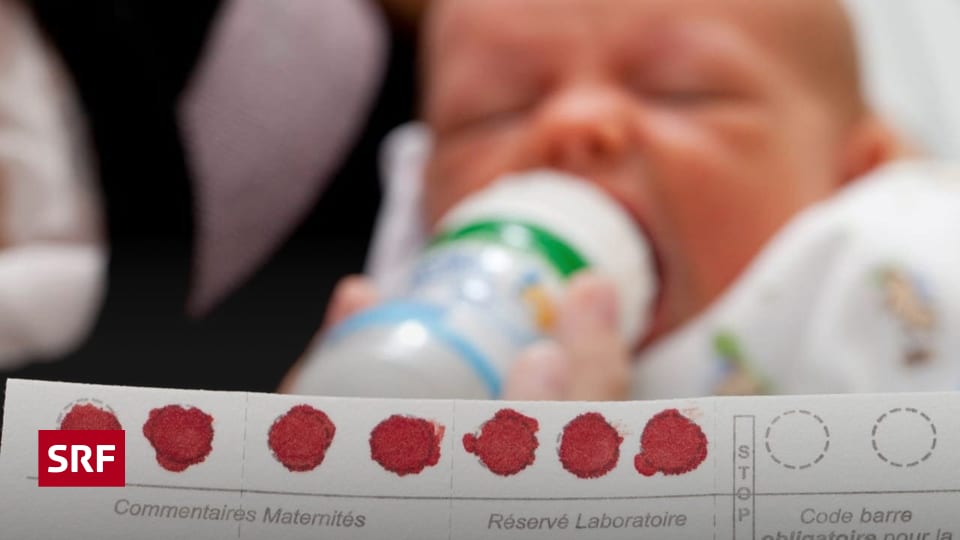
Evolution of Newborn Blood Screening: From Guthrie Test to Tandem Mass Spectrometry
Newborn screening protocols are undergoing a fundamental transformation as genomic sequencing moves from rare-disease research into the primary care setting. While the traditional Guthrie test and modern tandem mass spectrometry have long served as the gold standard for identifying treatable metabolic and hormonal disorders, the integration of whole-genome sequencing (WGS) into neonatal care presents a complex clinical trade-off between early diagnostic precision and the potential for psychological and medical over-surveillance.
Key Clinical Takeaways:
- Newborn screening is shifting from targeted metabolic testing to comprehensive genomic sequencing, allowing for the detection of a wider array of pathogenic variants.
- Clinical consensus remains divided on the “right to an open future,” as identifying late-onset conditions in infants may impose medical labels before symptoms manifest.
- Precision medicine requires a robust ethical framework to manage incidental findings and ensure that parents receive adequate genetic counseling before testing begins.
The Evolution of Diagnostic Scope
For decades, the standard of care for newborns has relied on the Guthrie test, a method of screening for phenylketonuria (PKU) by detecting elevated phenylalanine levels in blood spots. This has since expanded into the era of tandem mass spectrometry, which allows clinicians to analyze dozens of markers simultaneously to identify endocrinopathies and amino acid disorders. According to the World Health Organization (WHO), these programs are essential for reducing morbidity by facilitating intervention before irreversible organ damage occurs.
The current push toward genomic screening aims to capture conditions that biochemical assays miss. By analyzing an infant’s DNA, providers can identify monogenic disorders with high penetrance. However, the pathogenesis of many genetic conditions is variable, and identifying a mutation does not always guarantee the development of a clinical phenotype. This uncertainty necessitates a cautious approach, often requiring consultation with specialized medical geneticists to interpret findings within the context of family history and clinical presentation.
The Ethics of Predictive Medicine
Integrating genomic data into the electronic health record (EHR) of a neonate introduces significant regulatory and ethical hurdles. The primary concern among pediatricians is the “incidentalome”—the discovery of genetic markers for diseases that have no current treatment or that manifest only in adulthood. This creates a conflict between the clinical benefit of early detection and the patient’s future autonomy.
Dr. Elena Rossi, a lead researcher in pediatric genomics, notes: “The transition to routine sequencing requires more than just technological capability; it demands a shift in how we approach informed consent. We are no longer just testing for immediate metabolic crises; we are documenting a child’s biological blueprint.” This sentiment is supported by guidelines from the American College of Medical Genetics and Genomics (ACMG), which emphasizes that only conditions with actionable, evidence-based interventions should be reported in routine newborn screening programs.
Infrastructure and Compliance Requirements
Scaling genomic screening requires significant investment in bioinformatics and secure data management. Healthcare facilities must navigate stringent data privacy laws, such as the GDPR in Europe or HIPAA in the United States, to protect sensitive genomic information. For hospitals and laboratories, this often involves engaging healthcare compliance counsel to ensure that the storage, analysis, and sharing of genomic data meet national standards.
The financial burden of these programs is often offset by the long-term reduction in “diagnostic odysseys,” where families spend years seeking a diagnosis for rare diseases. However, the initial cost of implementing next-generation sequencing (NGS) remains high. Research funded by the National Institutes of Health (NIH) continues to evaluate the cost-effectiveness of these programs, focusing on whether the early detection of treatable conditions justifies the widespread screening of the entire neonatal population.
Clinical Triage and Future Trajectory
As the barrier to entry for genomic sequencing lowers, the role of the primary care physician in interpreting results will become more critical. Parents seeking clarity on the necessity of expanded screening should prioritize discussions with their neonatologists or pediatricians. For institutions looking to implement these protocols, the focus must remain on clinical utility—ensuring that every test result leads to a clear, evidence-based management strategy.
The future of neonatology lies in balancing technological ambition with patient-centered caution. By focusing on highly penetrant, actionable conditions, the medical community can harness the power of genomics without overwhelming the healthcare system with ambiguous data. Patients and providers seeking guidance on the implementation of these diagnostic protocols should consult with vetted pediatric specialists to ensure that current screening practices align with both the latest clinical research and the individual needs of the family.
Disclaimer: The information provided in this article is for educational and scientific communication purposes only and does not constitute medical advice. Always consult with a qualified healthcare provider regarding any medical condition, diagnosis, or treatment plan.