
DHT Blockers gain Traction as Hair Loss Treatment Option, But Experts Urge Caution
A growing number of individuals are turning to DHT blockers as a potential solution for hair loss, fueled by both prescription medications and over-the-counter supplements.These treatments aim to combat androgenetic alopecia – commonly known as male or female pattern baldness – by targeting dihydrotestosterone (DHT),a hormone linked to hair follicle miniaturization. While offering a promising avenue for slowing or even reversing hair loss, experts emphasize the importance of professional consultation and awareness of potential side effects.
Hair loss affects millions worldwide, impacting self-esteem and quality of life. The global hair loss treatment market is projected to reach $8.88 billion by 2030, according to a report by Grand View Research, indicating a significant demand for effective solutions. DHT blockers represent a key component of this market, offering an alternative or complementary approach to established treatments like minoxidil and hair transplantation. Understanding the nuances of these blockers – their mechanisms, benefits, and risks – is crucial for anyone considering them as part of their hair loss regimen.
How Do DHT Blockers Work?
DHT is an androgen hormone derived from testosterone. In individuals predisposed to pattern hair loss, DHT binds to receptors in hair follicles, causing them to shrink and eventually stop producing visible hair. DHT blockers work by inhibiting the production of DHT or preventing it from binding to these receptors. This can help to slow down the miniaturization process and perhaps restore hair growth.
Types of DHT Blockers
DHT blockers come in various forms,categorized primarily as prescription medications and natural supplements:
* Prescription Medications: Finasteride and dutasteride are oral medications commonly prescribed for male pattern baldness. They work by inhibiting the enzyme 5-alpha reductase, which converts testosterone into DHT. Though,women of childbearing age are generally advised against using these medications due to the risk of birth defects.
* Topical Solutions: Topical formulations containing ingredients like ketoconazole and saw palmetto are available. These are applied directly to the scalp and can offer a localized approach to DHT blocking with a potentially improved safety profile compared to oral medications.
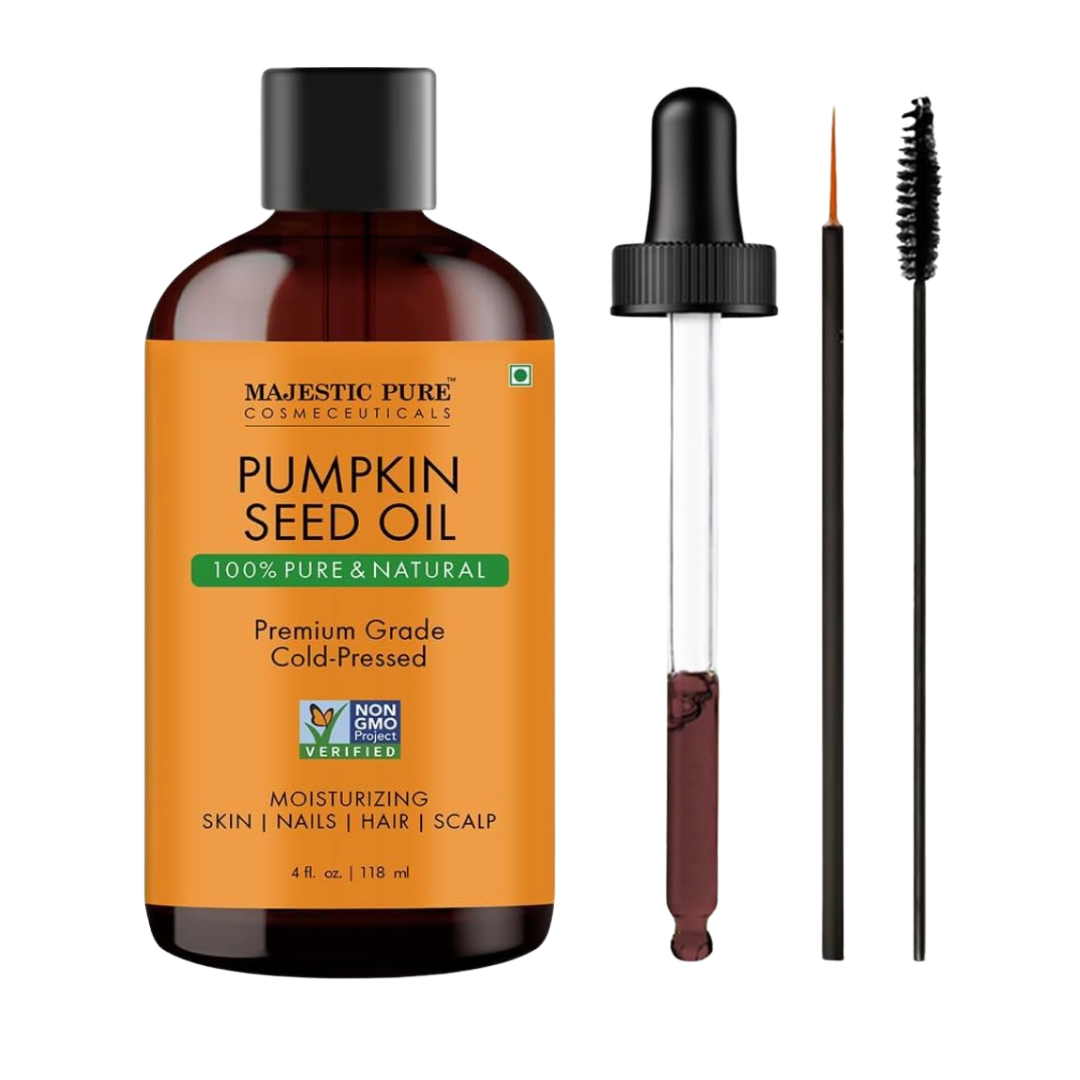
* Natural supplements: Saw palmetto, pumpkin seed oil, and pygeum are popular herbal supplements marketed for their DHT-blocking properties. While research on their effectiveness is ongoing, some studies suggest they may offer modest benefits.
Can DHT Blockers Replace Other Treatments?
According to Dr. Gkini, DHT blockers “can be considered an alternative or complement to several types of hair-loss treatments, such as minoxidil, hair loss transplantation or natural DHT-blocking supplements like saw palmetto.” She further notes that topical forms can serve as an alternative to oral treatments,potentially with a better safety profile.
Potential Side Effects and Precautions
While generally considered safe, DHT blockers can have side effects. Prescription medications like finasteride and dutasteride have been linked to sexual dysfunction in some men, although this is typically reversible upon discontinuation.
Dr. Gkini cautions that “all medications may have some side effects, so this is also the case for DHT inhibitors.” She adds that temporary hair shedding can occur when starting treatment, and mild scalp irritation is absolutely possible with topical applications. Uncommon side effects may include hormonal or mood changes.
it is crucial for anyone considering DHT blockers to consult with a licensed healthcare professional to discuss potential risks and benefits, and to determine the most appropriate treatment plan based on their individual needs and medical history.
