
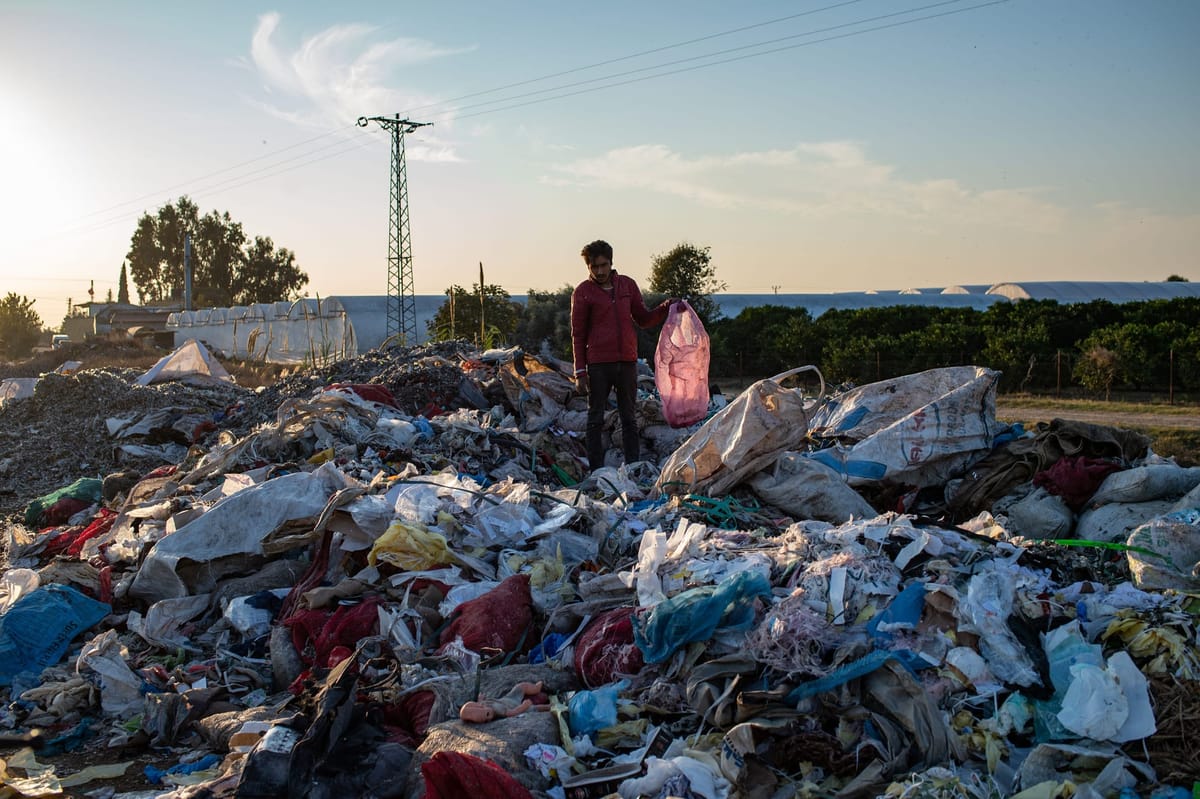
Turkey’s recycling sector is now at the centre of a structural shift involving the flow of European plastic waste. The immediate implication is a heightened risk of regulatory backlash and supply‑chain disruption for European recyclers.
The Strategic context
As the mid‑2010s, the global plastics market has been reshaped by China’s withdrawal from waste imports, prompting European exporters to seek alternative destinations. Turkey positioned itself as a hub through state‑lead incentives, notably the Zero Waste Project launched in 2017, which offered tax breaks and low‑cost financing to domestic recyclers. This policy coincided with a rapid rise in plastic waste shipments from Europe, climbing from under 100 million kg in 2017 to over 400 million kg in 2024.The sector’s growth has been underpinned by a labor model that relies heavily on undocumented migrants from Afghanistan and Syria, who provide low‑cost processing capacity. At the same time, the sector’s overall recycling efficiency remains low, with global estimates indicating that only about 9 % of plastic waste is successfully converted into new products, often of degraded quality. The convergence of high‑volume waste inflows, state subsidies, and a precarious labor pool creates systemic vulnerabilities that intersect trade, environmental, and social dimensions.
Core Analysis: Incentives & Constraints
Source Signals: The source confirms that European plastic waste exports to Turkey have surged dramatically as 2017; Turkish recycling firms receive extensive fiscal incentives; the sector relies on undocumented migrant labor; workplace fatalities among these workers have risen sharply, with documented deaths exceeding 1,900 in 2024 across all industries and a disproportionate share in recycling; and regulatory frameworks intended to curb illegal waste handling have proven ineffective.
WTN Interpretation: the incentives driving this dynamic are threefold. First, European producers face tightening domestic recycling mandates and landfill taxes, creating pressure to off‑load waste abroad. second,Turkey’s state‑led Zero Waste Project offers a cost advantage that lowers the marginal expense of processing imported waste,making it attractive for European firms seeking compliance shortcuts. Third, the availability of inexpensive, undocumented labor reduces operational costs, allowing Turkish recyclers to maintain profitability despite low material recovery rates. Constraints include growing scrutiny from EU environmental regulators, which could impose stricter traceability requirements; Turkey’s own legal obligations as an OECD member, which may trigger external pressure for reform; and the physical limits of processing capacity, which could be strained if waste volumes continue to rise. The combination of economic incentives and regulatory gaps sustains the current trade pattern, but also creates a fault line where policy shifts or enforcement actions could disrupt the flow.
WTN Strategic Insight
“When a low‑cost processing hub aligns with lax labor oversight, it becomes a structural conduit for external waste, turning regulatory compliance into a supply‑chain externality rather than a domestic responsibility.”
Future Outlook: Scenario Paths & Key Indicators
Baseline Path: If European waste export pressures persist and turkish incentives remain unchanged, the volume of plastic waste shipped to Turkey will continue to grow modestly. The sector will maintain its current labor model,and incremental regulatory adjustments will have limited impact,resulting in a stable but inefficient recycling flow and ongoing occupational safety risks.
Risk Path: If the European Union enacts stricter traceability and import bans on mixed plastic waste, or if Turkey faces heightened diplomatic pressure to enforce labor and environmental standards, the trade channel could contract sharply. This would force European recyclers to seek alternative destinations or invest in domestic capacity, while Turkish firms might experience a sudden loss of feedstock, prompting either consolidation or a shift toward higher‑value waste streams.
- Indicator 1: Upcoming EU legislative session on waste import controls (scheduled for Q2 2026) – monitoring the final text and voting outcomes will signal the likelihood of tighter restrictions.
- Indicator 2: Turkish Ministry of Surroundings’s quarterly report on waste processing permits and labor inspections – any increase in enforcement actions or permit revocations will indicate a policy shift.
