
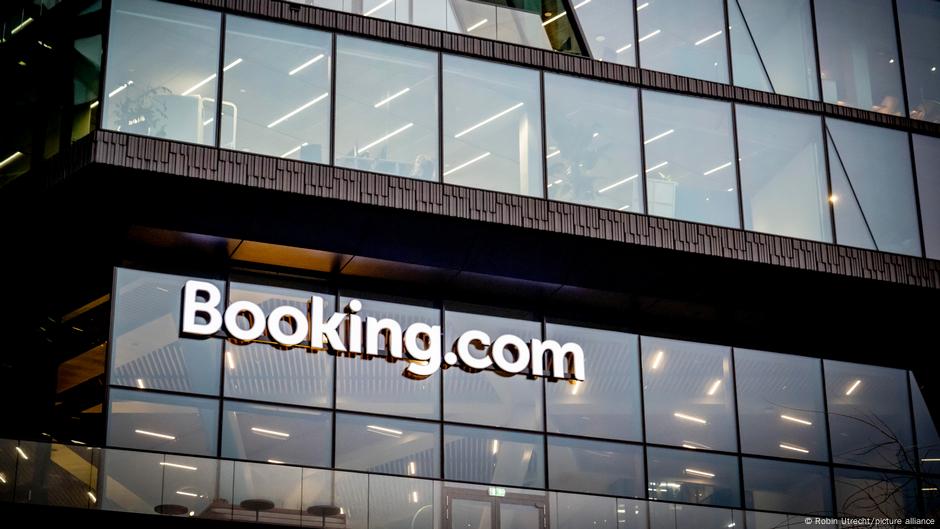
Booking.com Faces Massive Class Action Lawsuit From European Hotels
Brussels, Belgium – Over 10,000 European hotels have joined a class action lawsuit against online travel giant Booking.com, alleging years of financial losses due to anti-competitive “best-price” clauses. The suit, spearheaded by the Association of Hotels, Restaurants and Cafes in Europe (HOTREC) and backed by 30 national hotel associations including Germany’s IHA, seeks compensation for damages incurred between 2004 and 2024.
For decades, Booking.com implemented clauses that prevented hotels from offering lower room rates on their own websites or other platforms. The company justified these restrictions as a means to prevent “free-rider” bookings – customers discovering hotels through Booking.com but then booking directly to avoid platform fees. This practice effectively forced hotels to maintain price parity, limiting their ability to compete on price and potentially impacting their profitability.
the Legal Landscape Shifts: ECJ Ruling and the Digital Markets Act
The foundation of the lawsuit rests on a landmark September 19, 2024, ruling by the European Court of Justice (ECJ). The court deemed these “best-price” clauses illegal, asserting that online platforms should not impose such restrictions on partner hotels.This decision paved the way for hotels to regain control over their pricing strategies.
Further pressure came from the european Union’s Digital Markets Act, which ultimately led Booking.com to abolish the contentious clause in 2024. However, HOTREC argues that the damage is already done, and hotels are entitled to compensation for the years they were subjected to these restrictive practices.
“European hoteliers have long suffered from unfair conditions and excessive costs,” stated HOTREC president Alexandros Vassilikos. “This joint initiative sends a clear message: abusive practices in the digital market will not be tolerated by the hospitality industry in Europe.”
HOTREC has extended the deadline to join the lawsuit to August 29th, citing “overwhelming support” from the hospitality sector. Markus Luthe, Managing Director of the IHA, confirmed the strong backing, indicating widespread frustration with Booking.com’s past policies.
Booking.com Responds
Booking.com maintains its innocence, stating it has not yet received an official lawsuit, characterizing the current action as merely a “statement from HOTREC.” The company refutes the claims made by hotel associations and challenges the legal basis of the suit, citing the ECJ ruling.
In a statement, booking.com asserted, “Each of our accommodation partners is free to set their own distribution and pricing strategies and can offer their rooms wherever they choose.”
The Broader Implications for the Travel Industry
this lawsuit represents a notable challenge to the dominance of online travel agencies (OTAs) and their control over hotel distribution. The outcome could set a precedent for similar legal challenges in other regions and potentially reshape the relationship between hotels and OTAs globally.
The case highlights the growing scrutiny of tech giants and their market power, especially concerning practices that may stifle competition and harm smaller businesses. As the hospitality industry continues to navigate the digital landscape, the fight for fair pricing and distribution rights is highly likely to intensify.
