European far-right parties reshape agenda and migration debate
European far-right parties are reshaping the continent’s political agenda through a shared rejection of globalization, even as they remain divided on specific policy areas like Russia and the welfare state. While mainstream parties face retreat amid protests in major cities, populist movements are successfully dictating the terms of debate regarding migration and national sovereignty.
The Collapse of the Cordon Sanitaire
The movement’s first of three projects is the destruction of the political firewall—or cordon sanitaire—that has historically excluded radical-right parties from mainstream governance. A senior official within Giorgia Meloni’s Brothers of Italy party described this mechanism as a fascist institution designed to marginalize democratically elected representatives. The current strategy involves the European Conservatives and Reformists grouping acting as a bridge to align far-right factions with the center-right European People’s Party. This effort aims to expand the market for right-wing policy influence across the European Parliament.
Analysts note that the expectation of “Melonisation”—the theory that radical parties will moderate once they attain power—may prove illusory. Rather than the center absorbing and neutralizing the right, the far right is increasingly co-opting the center’s platform.
New Right Figures Advocate for a Deportation State
Beyond institutional alignment, the new right is coalescing around the concept of the deportation state. While mainstream parties have focused on border enforcement, figures such as Benedikt Kaiser of the Alternative for Germany have pushed the discourse toward the removal of long-term residents. This agenda targets individuals deemed to be changing the national culture, including those with criminal records, religious fundamentalists, and asylum seekers whose status is under review. Similar rhetoric has surfaced in the United Kingdom, where proponents have advocated for an aggressive, large-scale removal program modeled on United States immigration enforcement tactics.

This pivot toward mass re-migration signals that the far right has effectively won the foundational debate on migration policy.
French and Italian Leaders Disagree on Strategic Alignment
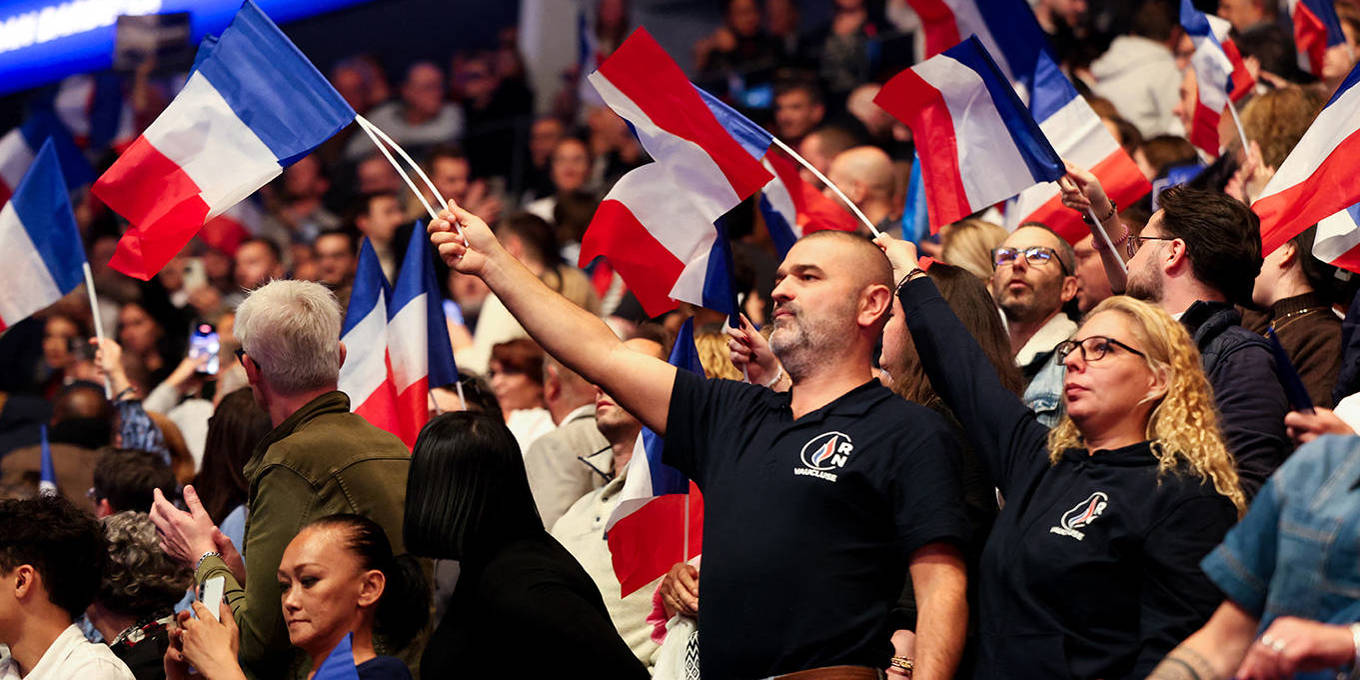
The French National Rally, led by Marine Le Pen and Jordan Bardella, has actively distanced itself from Germany’s Alternative for Germany to avoid perceived brand contamination. Simultaneously, senior members of the Italian government worry openly about the potential impact of a Le Pen presidency on the stability of the European Union and NATO.

These internal tensions reflect broader disagreements on fiscal policy, the welfare state, and geopolitical alignment.
Far-Right Parties Lack a Unified Framework for Europe
The central question remains whether this far-right convergence will result in a coherent alternative to the European establishment or a fragmented series of nationalistic retreats. While the parties agree on the need to reject the status quo and end what Marine Le Pen terms immobilisme, they have yet to present a unified economic or security framework that can replace existing EU architecture.
For investors and corporate leaders, the reality is that far-right and populist ideas are shaping the political environment in France, Italy, Poland, and Germany.