
EU Customs Revenue Fuels Bloc’s Budget
Nation States Funnel Majority of Duties to Brussels
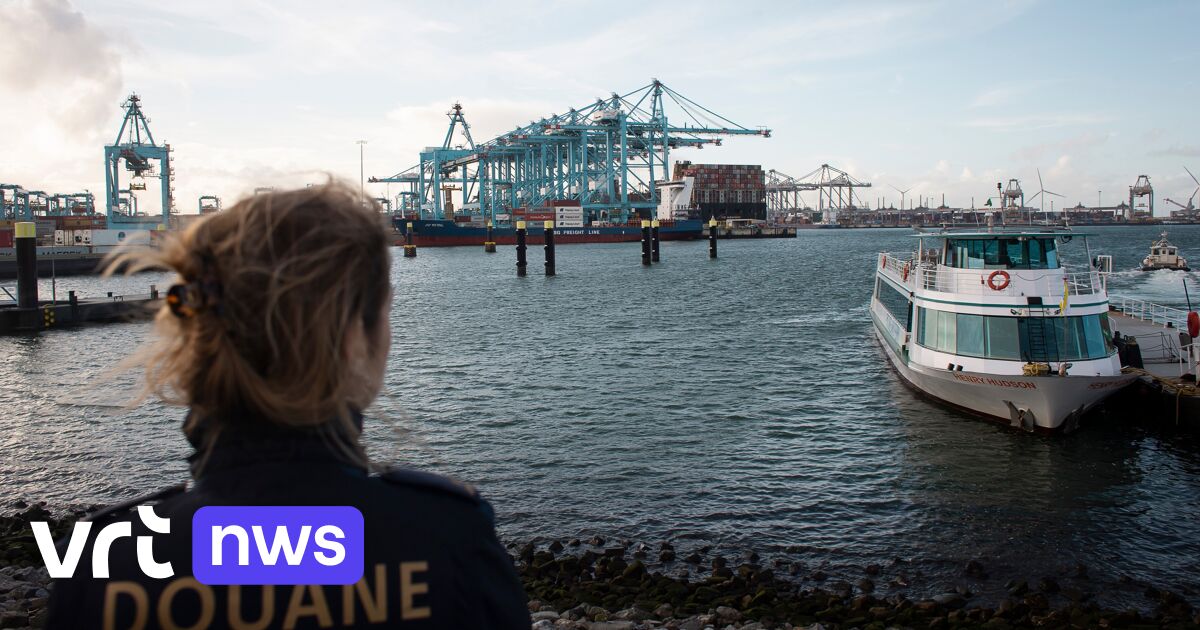
The European Union operates as a unified customs territory, meaning import tariffs are standardized across all member nations. Goods arriving from countries like the United States, Taiwan, or Brazil face the same duty rates regardless of their entry port, be it Antwerp, Marseille, or Rotterdam.
Funding the Union’s Operations
National customs agencies collect these import duties. However, they are mandated to transfer a substantial 75 percent of these collected revenues to the EU’s central budget. The remaining 25 percent is retained by individual member states to cover operational costs, such as customs officer salaries and necessary equipment.
Significant Contribution to EU Finances
In the year 2024, a total of 20 billion euros was channeled into the EU budget through these customs duties. This income stream plays a crucial role in financing various EU initiatives, including agricultural subsidies, scientific research grants, the Erasmus exchange program, and major infrastructure projects. These tariffs constitute approximately 15 percent of the overall EU budget, with the remaining 85 percent primarily funded by member states through their own national tax revenues.
For perspective, the European Union’s total budget for 2024 is projected to be around €189 billion. This demonstrates the significant, albeit not dominant, role customs duties play in financing the bloc’s activities. (Source: European Commission 2024)
