
EU and US Affirm Commitment to Trade Agreement, Brussels Vows to Defend Interests Against “Any Form of Coercion”
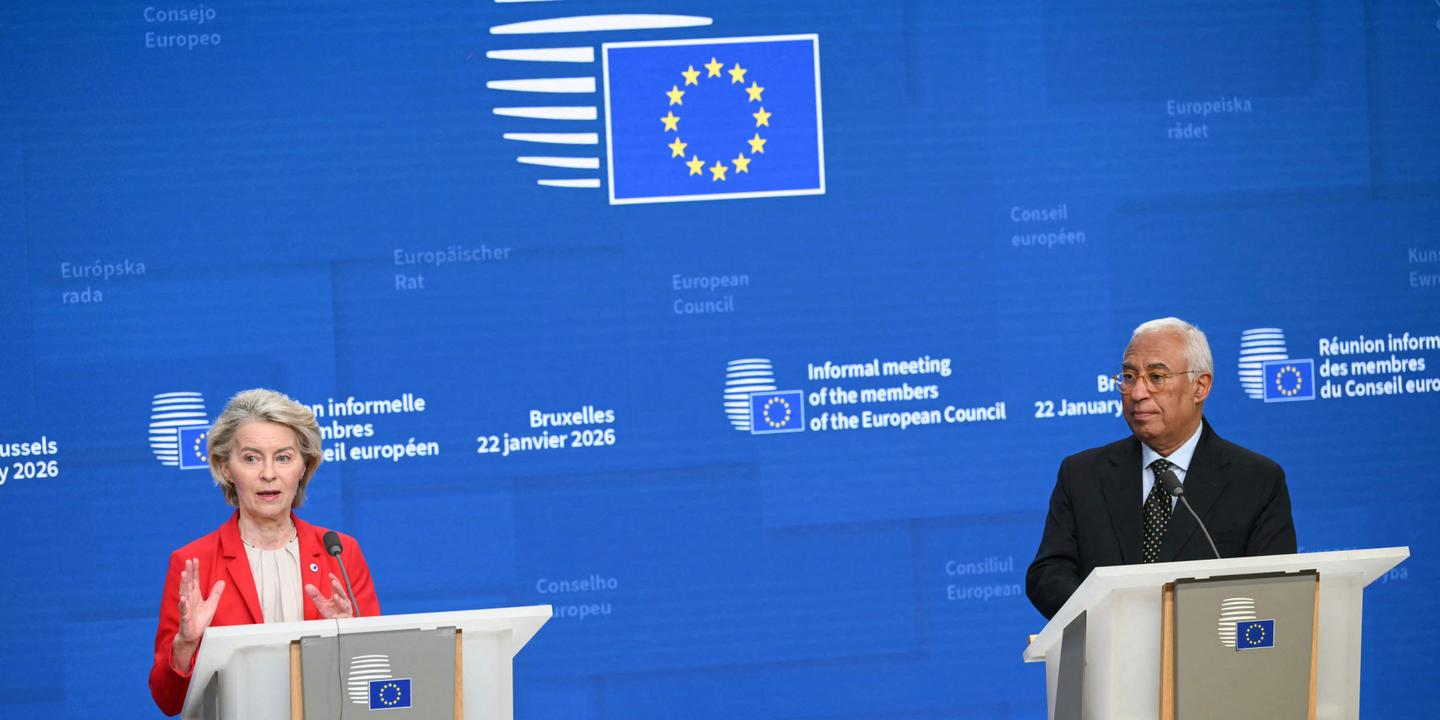
Brussels, Belgium – The European Union has welcomed the United States’ decision to refrain from imposing new tariffs on European goods, a move that safeguards the existing EU-US trade agreement. The proclamation came following a summit of the European Council dedicated to strengthening transatlantic relations, with EU leaders emphasizing the bloc’s commitment to defending its interests should the need arise.
Speaking to the press after the summit, European Council President Antonio Costa described the decision to avoid new tariffs as “positive,” stating that such measures would have been “incompatible with the EU-US trade agreement.” https://www.consilium.europa.eu/en/press/press-releases/2024/03/22/remarks-by-president-costa-following-the-european-council-meeting-on-transatlantic-relations/
The existing trade relationship between the EU and the US is one of the largest in the world, representing trillions of dollars in goods and services exchanged annually. According to the European Commission, the US is the EU’s largest export market, accounting for approximately 20% of EU exports of goods and services. https://trade.ec.europa.eu/trade-relationships/countries-and-regions/united-states_en Conversely, the EU is also a significant market for US exports.Disruptions to this flow through tariffs or other trade barriers would have significant repercussions for both economies.
Costa underscored the importance of focusing on the implementation of the current agreement, signaling a desire for stability and predictability in the transatlantic economic partnership. However, he also delivered a firm message regarding the EU’s resolve to protect its economic sovereignty.
“We must now focus on the implementation of this agreement,” Costa stated. “We will continue to defend our interests against any form of coercion. We have the power and the means, and we will do so if and when necessary.”
This statement comes amidst ongoing global economic uncertainties and a shifting geopolitical landscape. The EU has been increasingly vocal about its desire to reduce reliance on single trading partners and diversify its supply chains, notably in critical sectors. The bloc has also been developing its own tools to counter economic coercion, recognizing the potential for trade to be used as a political weapon.
In 2023, the European Commission proposed a new instrument to address coercive acts by non-EU countries. https://ec.europa.eu/commission/presscorner/detail/en/ip_23_5843 This instrument aims to deter and counteract attempts by third countries to politically pressure EU member states through economic means. It allows the EU to investigate coercive practices and impose countermeasures, such as tariffs or restrictions on investment.
The EU’s stance reflects a broader trend of increasing protectionism and geopolitical competition globally. The US, under previous administrations, has frequently employed tariffs as a tool to address trade imbalances and protect domestic industries.While the current administration has signaled a more collaborative approach, the possibility of future trade disputes remains.
The summit also addressed other key areas of transatlantic cooperation, including security, climate change, and digital regulation. leaders reaffirmed their commitment to supporting Ukraine and coordinating efforts to address global challenges. However,trade remains a central pillar of the relationship,and the EU’s message is clear: it seeks a balanced and mutually beneficial partnership,but will not hesitate to defend its interests.
Looking ahead,the successful implementation of the existing EU-US trade agreement will require ongoing dialogue and cooperation. Areas of potential friction include agricultural subsidies, digital services taxes, and differing regulatory approaches. Though, both sides recognize the importance of maintaining a strong economic relationship, and the recent commitment to avoid new tariffs provides a positive foundation for future engagement. The EU’s firm stance on defending its interests serves as a reminder that while cooperation is desired, it will be pursued on terms that respect the sovereignty and economic well-being of the European Union.
