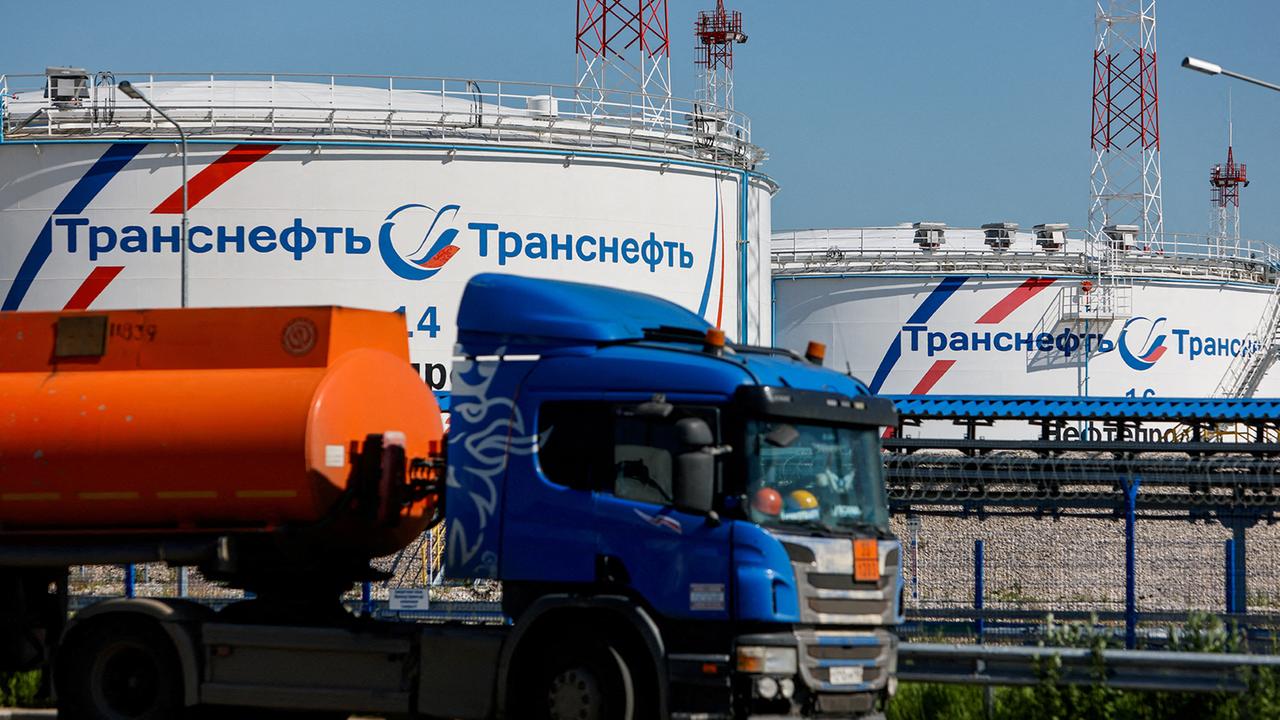
EU cuts Russian gas imports but remains tied to Russian uranium
„Damit terrorisiere Russland die ukrainische Bevölkerung mit Raketen und Drohnen“, sagt die Europaabgeordnete Hanna Gedin von der schwedischen sozialistischen Partei Vänsterpartiet im Straßburger Parlament.”
After the full-scale invasion of Ukraine, the European Union has cut its gas imports from Russia by three-quarters, tagesschau.de reported on October 24, 2026. While the bloc prepares for total bans, older and more complex dependencies on Russian oil and uranium persist.
The Scale of Continuing Fossil Fuel Trade
The trade remains vast.

According to the Russia Fossil Tracker published by the Finnish think tank Centre for Research on Energy and Clean Air, the 27 EU member states have spent roughly 238 billion euros on Russian coal, oil, and gas. Gedin criticized the European Commission for missing its promised timeline to deliver legislation phasing out Russian oil entirely. Individual states remain tied to these supplies. Hungary and Slovakia continue to draw crude through the Druzhba pipeline, creating geographic choke points that defy rapid decoupling.
Rosatom Expands Its Commercial Footprint in the EU
Nuclear energy represents a distinct strategic vulnerability. Euratom data shows that the volume of uranium imported from Russia has remained virtually unchanged for years. The Russian state-owned enterprise Rosatom has actively expanded its commercial footprint across the European Union.
Five EU member states currently operate nuclear reactors of Russian design. In Lingen, Lower Saxony, a Franco-Russian joint venture between Framatome and Rosatom will soon manufacture fuel elements for these facilities. Ben McWilliams, an energy analyst at the Brussels-based think tank Bruegel, pointed out that while these sums are smaller than fossil fuel expenditures, the real threat lies in structural supply vulnerability.
Technical hurdles complicate any rapid exit. Pascal Canfin, a French member of the European Parliament representing the Renew group, noted that diversifying away from Russian uranium is technically more complex than replacing gas or oil, although the EU already sources significant volumes from Canada, Kazakhstan, and Australia.
Diplomatic Friction Introduces Volatility into Energy Markets
Bruegel expert Ben McWilliams dismissed the shift, stating that purchasing Russian energy again would be irrational and arguing that United States diplomacy should not dictate European strategy. Jens Geier, a social democratic member of the European Parliament, echoed that sentiment, emphasizing that the bloc remains tied to a belligerent state and must sever those ties as quickly as possible.
As the European Union accelerates its transition toward electricity generated from renewable sources, lawmakers warn of parallel vulnerabilities. Canfin cautioned that doing so risks trading one supply danger for another, pointing to heavy import reliance on China for solar panels and wind turbines.
Worth a look
- Daewoong Pharmaceutical’s Fexuclue Shows Potential for 7-Day H. Pylori Eradication Therapy
- Northwestern Adds Eight Transfers After Offseason Rebuild
- Former Russian Olympic Cyclist Sergei Kucherov Killed in Ukraine War (newsdirectory3.com)
- Russian forces destroy Ukrainian retail hubs as winter nears, NOS says (newsy-today.com)