
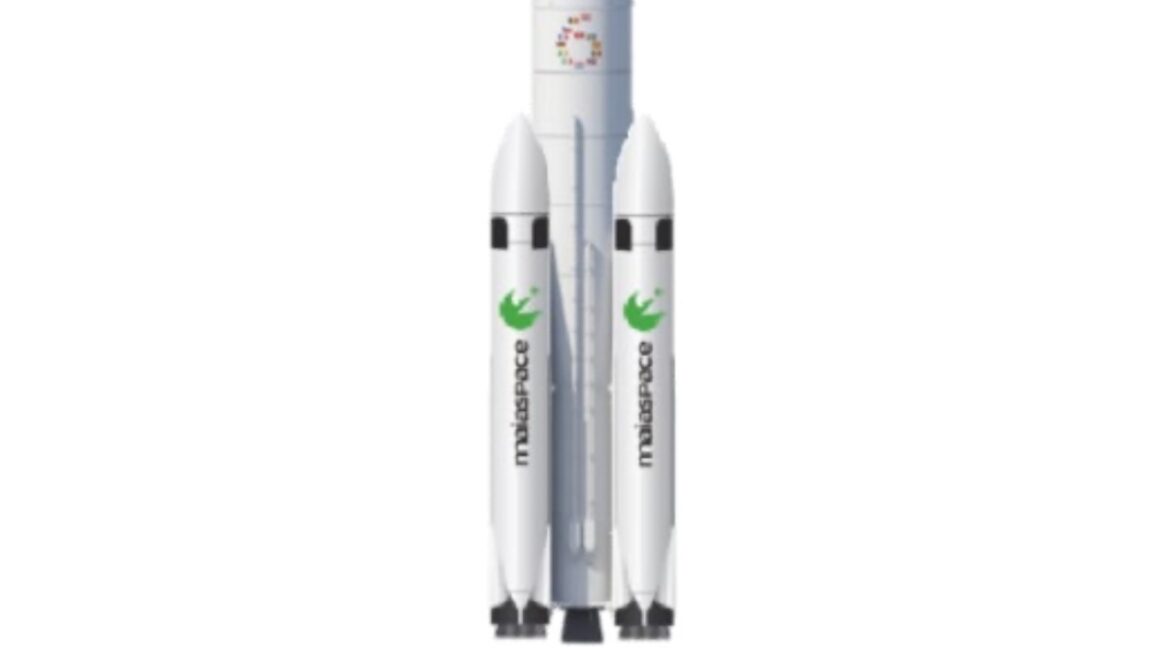
Europe Aims to Reinvent Ariane 6 with Reusable Rocket Technology
The European Space Agency (ESA) and leading aerospace companies are actively pursuing strategies to make Europe more competitive in the global space launch market. Facing pressure from companies like SpaceX, which have pioneered reusable rocket technology, Europe is now seriously considering upgrades to its Ariane 6 rocket, including the integration of reusable components. This shift comes after years of debate about the strategic direction of Europe’s space program.
A History of Strategic Concerns
Concerns about the Ariane 6’s design date back to its inception. As early as 2021, Bruno Le Maire, then France’s finance minister, publicly criticized the Ariane 6 as a “bad strategic choice.” This criticism stemmed from the rocket’s reliance on solid-fueled boosters,a technology that is less flexible and more expensive than liquid-fueled,reusable alternatives. More recently, in October 2025, the head of ESA echoed these concerns, stating that europe needs to “catch up” with spacex and develop reusable launch systems “relatively fast.”
ArianeGroup’s Proposal: A “Plug-and-play” Reusability Solution
In response to these challenges, ArianeGroup has submitted a proposal to ESA’s BEST! (Boost European Space Technologies) initiative.This proposal centers around replacing the Ariane 6’s existing solid-fueled side boosters with new, liquid-fueled boosters. Crucially, these boosters would be developed by MaiaSpace, a French subsidiary of ArianeGroup, leveraging their work on a partially reusable small satellite launcher.
The plan involves adapting the Maia rocket’s methane-fueled booster for use on the Ariane 6.According to European Spaceflight, this concept isn’t entirely new, with a similar proposal being floated by ArianeGroup as early as 2022. The idea is to create a “plug-and-play” system, allowing for easier and more cost-effective integration of reusable boosters into the ariane 6 architecture. This approach aims to reduce operating costs and increase launch frequency – key advantages offered by competitors like SpaceX.
Isar Aerospace and the Pursuit of Reusability
ArianeGroup isn’t the only player involved in ESA’s push for reusable rocket technology. Isar Aerospace, a German rocket startup, has also secured a BEST! contract to study a demonstrator for a reusable first stage. This demonstrator will be based on the company’s light-class Spectrum rocket.
While Isar aerospace’s initial Spectrum rocket design is expendable, the company is actively working towards reusability. Their first test flight in the previous year unluckily ended in failure,but they are currently preparing for a second launch attempt. this demonstrates a commitment to learning from setbacks and iterating towards a triumphant reusable system.
the BEST! Initiative and Future Steps
ESA has tasked both ArianeGroup and Isar Aerospace with assessing the feasibility of their respective proposals. This includes developing detailed technology and system progress plans, as well as outlining the costs associated with a “major flight exhibition.” This thorough evaluation process is crucial for determining the best path forward for European space launch capabilities.
Challenges and Timelines
Despite the progress, meaningful challenges remain. MaiaSpace’s rocket is not expected to launch until at least 2027, meaning any integration with the Ariane 6 is still several years away. Even if the project moves forward, the Ariane 6 will likely remain predominantly expendable, with only the boosters being reusable.
The development of reusable rocket technology is complex and requires significant investment. Europe’s ability to compete with established players like SpaceX will depend on continued commitment from ESA and its member states, as well as the successful execution of these aspiring projects.
Published: 2026/01/11 12:43:14
