
Neighborhood Crime During Pregnancy Linked to Offspring DNA Changes
Table of Contents
health outcomes.">
A groundbreaking study published this month reveals a potential connection between a pregnant woman’s exposure to neighborhood crime and epigenetic modifications in her child’s DNA.The research, which analyzed data from 185 mother-offspring pairs, found that prenatal exposure to neighborhood crime is associated with changes in DNA methylation, a process that can alter gene expression. These findings, while preliminary, underscore the importance of addressing social determinants of health during pregnancy.
Key Findings: Crime’s Impact on DNA Methylation
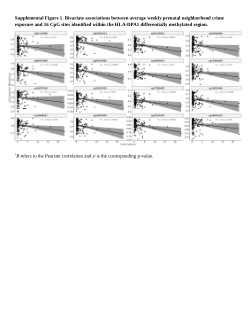
The study, conducted using data from the Newborn Epigenetic Study, examined the relationship between neighborhood crime levels and DNA methylation patterns in newborns’ cord blood. researchers mapped crime data at the census block group level to the residential addresses of pregnant women during their gestational period. The analysis revealed nine differentially methylated regions (DMRs) comprising 51 CpG sites associated with neighborhood crime exposure.
Did You Know? …
DNA methylation is a crucial epigenetic mechanism that influences gene expression without altering the underlying DNA sequence. It plays a vital role in development and disease.
Specific Genes and Pathways Affected
Further investigation showed that CpG sites within these DMRs were associated with methylation quantitative trait loci (mQTLs) at birth and expression quantitative trait methylation (eQTMs). functional enrichment analysis identified a significant Th1 and Th2 cell differentiation pathway, suggesting a potential impact on the offspring’s immune system. According to the National Institutes of Health,Th1 and Th2 cells are types of T helper cells that play critical roles in immune responses.
Study Methodology and Controls
To ensure the accuracy of their findings, the researchers controlled for several potentially confounding factors, including maternal age, race/ethnicity, education level, smoking habits, cell-type composition, and the offspring’s sex. this rigorous approach strengthens the evidence linking neighborhood crime to DNA methylation changes.
Pro Tip: …
Understanding epigenetic modifications like DNA methylation can provide valuable insights into how environmental factors influence health outcomes across generations.
Limitations and Future Research
The authors acknowledge that the study’s sample size and geographic scope are limitations. They emphasize the need for additional research in larger cohorts across wider geographic areas to confirm these results and further elucidate the mechanisms involved.The study was funded by the National Institute on Minority Health and Health Disparities and the National Institute of Environmental Health Sciences.
implications for Public Health
These findings contribute to a growing body of evidence highlighting the impact of social determinants of health on prenatal and child health outcomes. Exposure to community violence is a known stressor that can negatively affect pregnant women and their developing babies. Addressing neighborhood crime and creating safer environments for pregnant women could have significant benefits for maternal and child health.
| Metric | Value |
|---|---|
| Sample Size | 185 mother-offspring pairs |
| Differentially Methylated Regions (DMRs) | 9 |
| CpG Sites Associated with Crime | 51 |
The study adds to a growing body of research examining the impact of social stressors on prenatal health. Adverse birth outcomes, such as preterm birth and low birth weight, have been linked to various social stressors, including poverty, discrimination, and exposure to violence. Epigenetic changes, like DNA methylation, are increasingly recognized as potential mechanisms thru which these stressors can influence health outcomes across generations. According to a 2023 report by the UNICEF, children living in poverty are more likely to experience chronic stress, which can have long-lasting effects on their development.
Frequently Asked Questions
What is the importance of this study on neighborhood crime and DNA methylation?
This study highlights a potential link between environmental factors, specifically neighborhood crime, and epigenetic changes in offspring DNA. It suggests that a mother’s exposure to crime during pregnancy could have lasting effects on her child’s health.
How can communities address the issue of neighborhood crime to improve prenatal health?
Communities can implement strategies to reduce crime rates, such as increasing community policing, investing in social programs, and improving access to resources for pregnant women and families. Creating safer and more supportive environments can help reduce stress and improve prenatal health outcomes.
Disclaimer: This article provides information for educational purposes only and does not constitute medical advice.Consult with a healthcare professional for personalized guidance.
What steps can be taken to mitigate the effects of neighborhood crime on pregnant women? How can communities better support pregnant women in high-crime areas?
Share this article to raise awareness about the impact of neighborhood crime on prenatal health. Leave a comment below with your thoughts and suggestions.
