
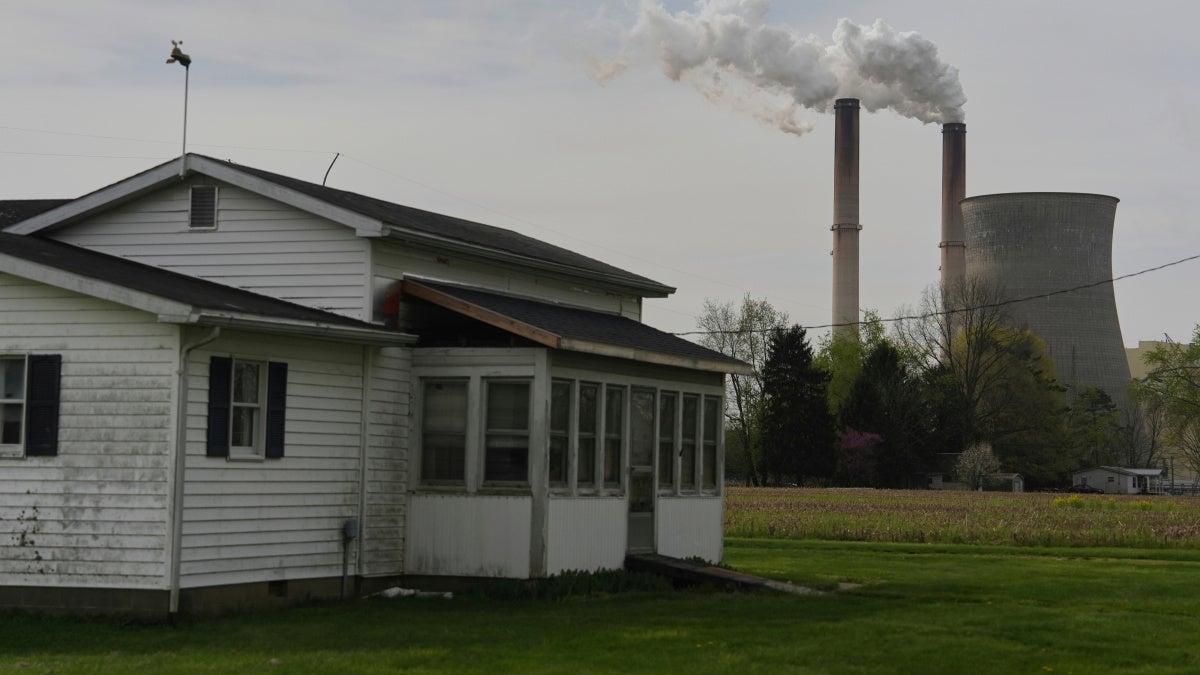
EPA to Stop Quantifying Health Benefits of Clean Air rules: A Dangerous Shift
Washington D.C. – January 21, 2026 – in a move critics are calling a significant setback for public health and environmental protection, the Environmental Protection Agency (EPA) announced on January 12th that it will no longer calculate the economic value of the health benefits derived from reducing air pollution . This policy shift, which impacts regulations concerning ozone and fine particulate matter, effectively diminishes the agency’s ability to justify stringent pollution controls and coudl lead to a weakening of air quality standards across the nation.
The Changing Calculus of Clean Air
For decades, the EPA has employed a cost-benefit analysis when establishing environmental regulations.this process involved quantifying both the economic costs to industries of implementing pollution controls,and the economic benefits to the public resulting from improved health outcomes – fewer hospital visits,reduced mortality rates,increased productivity,and more. This approach, while imperfect, provided a framework for demonstrating the overall value of cleaner air.
The recent change announced by the EPA abandons the practice of assigning an economic value to these health benefits. Agency officials cited “uncertainty” surrounding the valuation of human life and well-being as the primary justification for this decision . Though, environmental advocates and public health experts argue that this is a deliberate attempt to prioritize short-term economic gains for polluting industries over the long-term health of the American public.
Consider the EPA’s 2024 rule to limit particulate matter emissions. The agency projected that this rule alone would prevent 4,500 premature deaths, 290,000 lost workdays, and generate up to $46 billion in net health benefits by 2032 . Crucially, the agency estimated that for every dollar invested in compliance, $77 would be returned through reduced healthcare costs and increased productivity. Without factoring in these quantifiable benefits, future regulations are likely to appear more costly, and therefore less politically palatable.
What are Ozone and Fine Particulate Matter?
Ozone (O3): frequently enough referred to as smog, ground-level ozone is a harmful air pollutant formed when pollutants emitted by cars, power plants, and industrial facilities react in sunlight. Breathing ozone can trigger a variety of health problems, including respiratory infections, asthma attacks, and reduced lung function.
Fine Particulate Matter (PM2.5): These microscopic particles, measuring 2.5 micrometers or less in diameter,are emitted from various sources,including combustion (burning fuel),industrial processes,and construction. PM2.5 is notably dangerous because it can penetrate deep into the lungs and even enter the bloodstream, contributing to heart disease, stroke, and respiratory illnesses.
Environmental Justice Implications: “Cancer Alley” and Beyond
The EPA’s decision is particularly concerning for communities already disproportionately burdened by pollution – often low-income and minority neighborhoods. The consequences will be acutely felt in areas like “Cancer Alley” in Louisiana, where a concentration of petrochemical facilities emits vast quantities of ozone and particulate matter . A Human rights Watch report revealed that nearly 90% of the particulate matter in this region originates from around 200 fossil fuel and petrochemical operations.
Residents living near these facilities face significantly elevated risks of cancer, respiratory diseases, and reproductive health problems. The closure of the EPA’s environmental justice offices under the previous management further exacerbated the vulnerability of these communities, stripping away a vital advocate for their concerns.
The Broader Context: A Retreat from Environmental Protection?
This policy shift is the latest in a series of actions that critics say signals a weakening of environmental protections. By removing the economic incentive to prioritize public health, the EPA is effectively prioritizing short-term economic gains for polluting industries over the well-being of American citizens.The decision raises fundamental questions about the agency’s commitment to its core mission: to protect human health and the habitat.
What Happens Next?
Experts predict that the EPA’s new approach will likely lead to:
- Looser Emission Standards: Without the demonstrable health benefits to offset compliance costs, it will be more tough to justify stringent pollution regulations.
- Increased Health Problems: Higher levels of air pollution will likely result in more hospitalizations, respiratory illnesses, and premature deaths.
- Disproportionate Impact on Vulnerable Communities: Low-income and minority communities will continue to bear the brunt of the pollution burden.
Key Takeaways
- The EPA is no longer quantifying the economic value of health benefits from clean air rules.
- this decision could weaken air quality standards and lead to increased health problems.
- Environmental justice communities are particularly vulnerable to the negative impacts of this policy change.
- The move raises concerns about the EPA’s commitment to protecting public health.
The future of clean air in the United States hangs in the balance. The EPA’s decision signals a troubling trend and underscores the urgent need for continued advocacy and vigilance to ensure that public health, not short-term economic interests, remains the top priority.
