England Squad Shakeup: McCullum’s Bold Picks for New Zealand Series
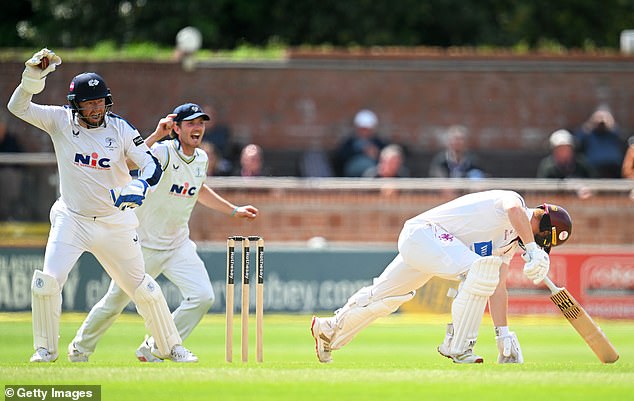
England is poised to announce its squad for the inaugural Test against New Zealand this week. Following a challenging winter Ashes series, coach Brendon McCullum and captain Ben Stokes are prioritizing domestic County Championship form, rewarding Ben Duckett’s red-ball commitment while potentially dropping struggling opener Zak Crawley.
The stakes for this selection process extend far beyond a simple scorecard. We are witnessing a fundamental clash between the traditional prestige of Test cricket and the aggressive financial pull of the Indian Premier League (IPL). For the England camp, the decision is no longer just about who can hit a ball, but who is willing to commit to the grueling requirements of the longest format of the game.
The current volatility in the squad reflects a broader systemic problem: the fragmentation of athlete loyalty in an era of franchise-led sports. When a player’s financial future is tied to T20 leagues, the red-ball game becomes a secondary pursuit. This creates a performance gap that the England and Wales Cricket Board (ECB) is now forced to address with surgical precision.
The Duckett Paradigm: Loyalty Rewarded
Ben Duckett has emerged as the blueprint for the “new” England Test player. By consciously opting out of the IPL to concentrate on his red-ball cricket, Duckett has not only secured his place in the lineup but has fundamentally shifted the power dynamic between the coach and the player.
His recent performance during Nottinghamshire’s match against Surrey at Trent Bridge was a statement of intent. An unbeaten double century solidified a season where he has already accumulated 503 runs, boasting a formidable average of 83. This level of consistency is exactly what McCullum and Stokes are seeking to stabilize a top order that felt precarious during the Ashes.
Duckett’s success suggests that the “Bazball” era is evolving. It’s moving from a phase of pure aggression to one of calculated dominance, where the ability to bat for long periods—without sacrificing the strike rate—is the ultimate currency. For players navigating these high-pressure career pivots, the role of performance psychologists has become indispensable in managing the mental load of transitioning between different game formats.
“The tension between franchise wealth and national duty is the defining struggle of modern cricket. When a player chooses the County Championship over the IPL, they aren’t just choosing a format; they are betting their financial security on the belief that Test cricket still holds the highest professional value.”
The Crawley Dilemma and the Cost of Slump
While Duckett ascends, Zak Crawley finds himself in the precarious position of the “out-of-form” veteran. With an average dipping below 20 for Kent, Crawley is likely to be dropped. In the high-stakes environment of international sports, a slump is rarely just a technical failure; it is often a symptom of burnout or a misalignment of goals.

Dropping a regular opener is a bold move that signals a shift in the ECB’s tolerance for underperformance. It sends a clear message to the rest of the squad: tenure provides no shield against a lack of domestic output. This creates a volatile environment for players whose contracts are under review.
As players face the possibility of being dropped or having their central contracts renegotiated, many are turning to sports law specialists to ensure their contractual protections are robust. The legalities of “performance-based” clauses in professional sports contracts are increasingly complex, requiring precise navigation to shield athletes from sudden income loss.
The Machinery of Selection: The County Insight Group
The selection process is no longer left to the whims of a few individuals. The introduction of the County Insight Group represents a move toward a more data-driven, collaborative approach to talent identification. This group—comprising domestic coaches Mickey Arthur, Richard Dawson, Anthony McGrath, and Alan Richardson—acts as the connective tissue between the grassroots of the County Championship and the international stage.
Last week, this group convened with ECB hierarchy members Rob Key and Andrew Flintoff at the Breadsall Priory Country Club in Derbyshire. The goal of the meeting was to synchronize the domestic circuit’s findings with the national team’s strategic needs.
This structural shift suggests that England is attempting to build a “pipeline” of talent rather than relying on a stagnant pool of stars. By integrating domestic coaches into the high-level decision-making process, the ECB is effectively decentralizing its intelligence gathering.
Key Selection Influencers and Their Roles
| Entity/Person | Primary Role | Strategic Influence |
|---|---|---|
| Brendon McCullum | Head Coach | Philosophical direction and aggressive tactical implementation. |
| Ben Stokes | Captain | On-field leadership and psychological management of the squad. |
| County Insight Group | Domestic Coaches | Identifying red-ball form and providing granular player data. |
| Rob Key & Andrew Flintoff | ECB Hierarchy | Administrative oversight and long-term structural planning. |
Regional Economic Impact and Infrastructure
The emphasis on the County Championship has a ripple effect on regional economies. When the ECB pivots its focus toward domestic matches, cities like Nottingham and the broader Derbyshire region see a spike in sports-related tourism and hospitality demand. The visibility of players like Duckett at Trent Bridge drives ticket sales and local engagement, reinforcing the economic viability of regional cricket hubs.
However, this reliance on domestic venues also highlights the need for modernized facilities. To maintain a world-class pipeline, regional clubs are increasingly investing in sports infrastructure consultants to upgrade pitches and training facilities to match the standards of the international game.
The shift toward “domestic-first” selection also places immense pressure on the County Championship’s scheduling. If the national team’s health depends on the domestic circuit, the quality and timing of those matches become a matter of national sporting interest, potentially influencing how local municipal laws handle event zoning and stadium expansions.
The upcoming announcement for the New Zealand series is more than a list of names; it is a manifesto. By favoring the red-ball purist over the T20 mercenary, McCullum and Stokes are attempting to reclaim the soul of English cricket. But in a world where the IPL’s gravity is nearly inescapable, this bold stance may either be the catalyst for a new golden age or a romantic gesture that ignores the economic reality of the modern athlete.
As the landscape of professional sports continues to shift toward franchise models, the need for verified, expert guidance in contract law, mental health, and facility management has never been higher. Whether you are an athlete protecting your career or a business investing in the future of sport, finding the right professional is the only way to survive the shakeup. You can find those vetted experts through the World Today News Directory.