
EnergyAustralia Rethinks Carbon Offsets Amid Greenwashing Concerns
CANBERRA – May 9, 2024 – EnergyAustralia is re-evaluating its use of carbon offsets following growing doubts about the practice. The energy provider, a major player in Australia, is under pressure to prove its environmental commitments. Acknowledging concerns, the company now faces accusations of greenwashing due to its “Go Neutral” program. This shift reflects a larger trend of corporate scrutiny; for more details, read on.
EnergyAustralia Rethinks Carbon Offsets Amid Greenwashing concerns
The Backstory: Coal, Customers, and Climate Goals
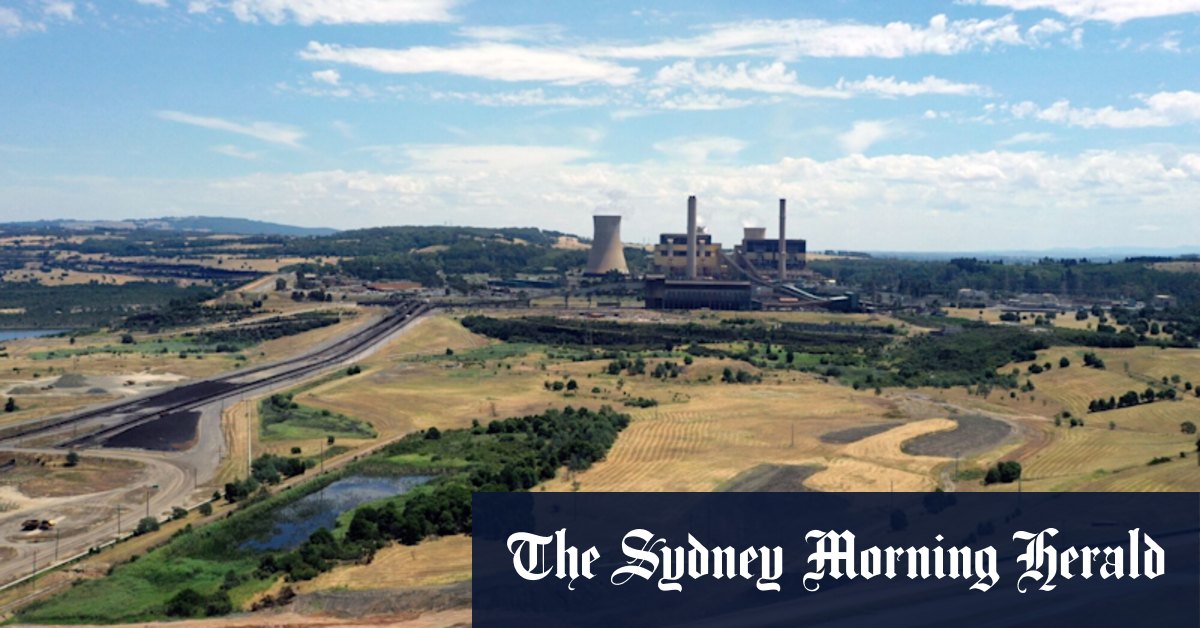
EnergyAustralia, formerly known as TRUenergy, is a major energy provider in Australia, serving 1.6 million customers. The company primarily relies on coal for its energy generation, operating the yallourn and Mount Piper power stations. Despite its current reliance on fossil fuels, EnergyAustralia has publicly committed too transitioning away from coal by 2040 and achieving net-zero emissions by 2050. This commitment comes amid increasing scrutiny of the energy sector’s role in climate change and the effectiveness of carbon offsetting programs.
Carbon Offsets Under Scrutiny: A Growing Trend
Carbon offsetting,a practice where companies invest in projects that reduce carbon emissions to compensate for their own pollution,has become a widespread strategy in Australia’s response to the climate crisis. The Australian government’s Climate Active program encourages companies to report their carbon emissions and the offsets they purchase, allowing them to market themselves as “carbon-neutral.” However, this system is facing increasing criticism.
Several major Australian corporations, including australia Post, Canva, Telstra, and PwC, have recently withdrawn from the Climate Active scheme due to growing concerns about its integrity. This exodus highlights the increasing skepticism surrounding the value and effectiveness of carbon offsets.
More than 100 companies have left the scheme in the past 2½ years, including the Clean energy Finance Corporation, the federal government’s $30 billion “green bank.”
EnergyAustralia’s Stance: Acknowledging Public Concerns
While EnergyAustralia remains a participant in the Climate Active program,the company has acknowledged the growing concerns surrounding carbon offsets. Kate Gibson,EnergyAustralia’s chief customer officer,stated:
While EnergyAustralia participated in the Climate Active certified carbon offset program in good faith,today EnergyAustralia accepts that there is legitimate public concern about the efficacy of these programs.Kate Gibson, EnergyAustralia’s Chief Customer Officer
Gibson emphasized that carbon offsets should not be a substitute for genuine efforts to reduce emissions. Carbon offsets should not be used to delay or diminish the important work that needs to be done to actively decarbonise.
She added that EnergyAustralia is now focusing on helping customers directly reduce their energy-related emissions.
Accusations of Greenwashing: Parents for Climate Speaks Out
Parents for Climate, an advocacy group, has accused EnergyAustralia of “greenwashing” through its marketing of “Go Neutral,” a program that relies on carbon offsets. Nic Seton, chief executive of Parents for Climate, argues that:
Climate claims must be backed by real action – not marketing spin.Nic seton, Chief Executive of Parents for Climate
Seton further stated:
EnergyAustralia’s statement makes clear that offsets should not be used as a license to pollute. It is no longer tenable to market polluting products as ‘carbon-neutral’ and led customers to believe that by signing up they are doing good for the planet.Nic Seton,Chief Executive of Parents for Climate
Legal Perspectives: Acknowledging the Limits of Offsets
David Hertzberg,principal lawyer at Equity Generation Lawyers,representing Parents for Climate,highlighted that EnergyAustralia has acknowledged the core argument that carbon offsets do not negate the environmental damage caused by burning fossil fuels.He expressed hope that EnergyAustralia’s statement will set a new standard for corporate conduct regarding the use of offsets and climate claims.
Hertzberg emphasized the need for companies to carefully consider the validity of their environmental claims, particularly when marketing polluting products as “carbon-neutral.”
