
Understanding Endometriosis: A Complete Guide
Table of Contents
Millions of women globally experience the debilitating effects of endometriosis, a complex gynecological disease frequently enough leading to delayed diagnoses and unanswered questions. This condition, impacting reproductive health and overall quality of life, is now gaining increased attention from medical professionals and advocates alike.
What is Endometriosis?
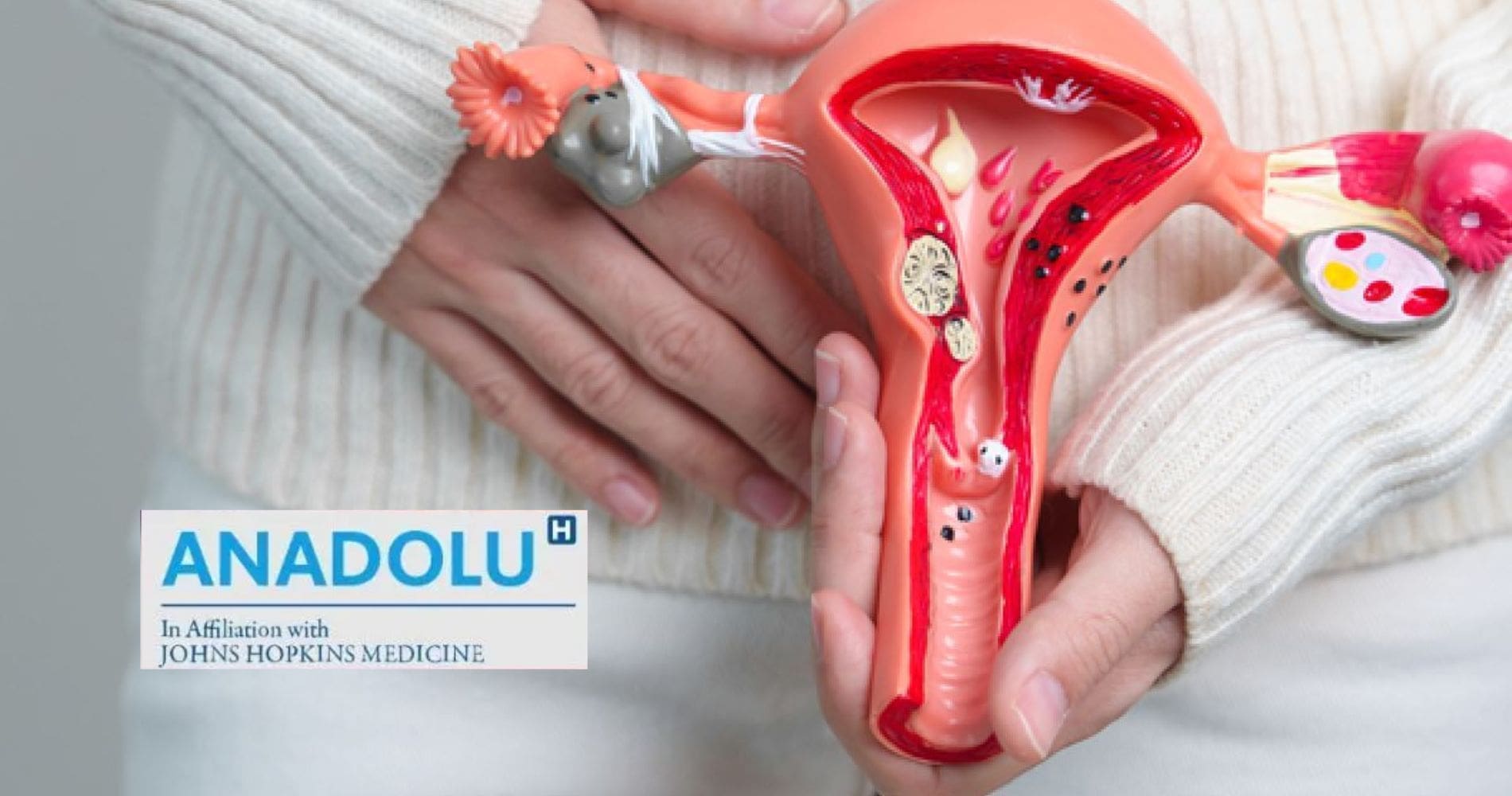
Endometriosis occurs when tissue similar to the lining of the uterus – the endometrium – grows outside of the uterine cavity. This misplaced tissue can attach to organs such as the ovaries, fallopian tubes, intestines, and bladder, and even, in rare cases, the diaphragm. Like the uterine lining, this ectopic tissue responds to hormonal fluctuations, thickening and bleeding with each menstrual cycle.
However, unlike the normal menstrual flow, this blood has no way to exit the body, leading to inflammation, the formation of adhesions, and potentially, the development of ovarian cysts, ofen referred to as “chocolate cysts” due to their dark, tarry appearance.[[1]]
Did You Know? Endometriosis can affect women of any age who experience menstruation, though it is most commonly diagnosed in those in their 30s and 40s.
Symptoms of Endometriosis
The presentation of endometriosis varies significantly from person to person, making diagnosis challenging. while some individuals may experience no symptoms at all, others endure severe, life-altering pain. Common symptoms include:
- Pelvic pain and intense menstrual cramps (dysmenorrhea)
- Pain during or after sexual intercourse (dyspareunia)
- Chronic abdominal pain, even outside of menstruation
- Digestive issues such as bloating, constipation, diarrhea, or pain with bowel movements
- Urinary pain or discomfort
- Heavy or prolonged menstrual bleeding
- Difficulty conceiving and increased risk of miscarriage
- Persistent back pain
- Fatigue and psychological distress
The severity of symptoms does not always correlate with the extent of the endometriosis. Some women with mild endometriosis may experience significant pain, while others with extensive disease may have minimal symptoms.
What Causes Endometriosis?
The exact cause of endometriosis remains elusive, but research suggests a combination of genetic, hormonal, and immune factors play a role. One prominent theory centers around retrograde menstruation, where menstrual blood flows backward through the fallopian tubes and into the abdominal cavity. [[1]]
However, this doesn’t explain all cases.Other potential contributing factors include genetic predisposition – having a family history of endometriosis increases your risk – immune system dysfunction, hormonal imbalances, and potentially, environmental factors.
Key Factors Involved in Endometriosis Development
| Factor | Description |
|---|---|
| Retrograde Menstruation | Menstrual blood flows backward into the abdominal cavity. |
| Genetic Predisposition | Family history of endometriosis increases risk. |
| Immune Dysfunction | the body fails to clear endometrial tissue outside the uterus. |
| Hormonal Imbalance | Excess estrogen can stimulate endometrial tissue growth. |
Do you find it frustrating how long it often takes to get a diagnosis for conditions like endometriosis? What changes could improve the diagnostic process?
Diagnosing Endometriosis
Diagnosing endometriosis can be a lengthy process, often taking several years from the onset of symptoms. A pelvic exam may provide initial clues, but the only definitive way to diagnose endometriosis is through laparoscopy, a minimally invasive surgical procedure where a surgeon examines the pelvic organs for endometrial implants.
Treatment Options for Endometriosis
Treatment for endometriosis is tailored to the individual, considering the severity of symptoms, the extent of the disease, age, and desire for future fertility.Options range from pain management to hormone therapy and surgery.
Pain medication,including over-the-counter and prescription options,can help manage discomfort. Hormonal therapies, such as birth control pills, progestins, and GnRH agonists, can suppress the growth of endometrial tissue. In severe cases, or when hormone therapy is ineffective, laparoscopic surgery may be performed to remove endometrial implants and adhesions.
Pro Tip: Maintaining a healthy lifestyle, including a balanced diet, regular exercise, and stress management techniques, can complement medical treatment and improve overall well-being.
For women desiring pregnancy, fertility treatments such as in vitro fertilization (IVF) may be considered.
Endometriosis research is continually evolving, with ongoing studies exploring new diagnostic tools and treatment strategies. The increasing awareness of endometriosis is leading to earlier diagnoses and improved patient care. Future research will likely focus on personalized medicine approaches, tailoring treatment to the individual’s genetic and hormonal profile. the impact of environmental factors on endometriosis development is also an area of growing interest.
Frequently Asked Questions About Endometriosis
- What is endometriosis? Endometriosis is a condition where tissue similar to the uterine lining grows outside the uterus, causing pain and potential infertility.
- What are the main symptoms of endometriosis? Common symptoms include pelvic pain, painful periods, pain during sex, and difficulty getting pregnant.
- How is endometriosis diagnosed? The only definitive diagnosis is through a laparoscopic procedure.
- Is there a cure for endometriosis? Currently, there is no cure, but treatments can manage symptoms and improve quality of life.
- Can endometriosis affect fertility? Yes, endometriosis can make it more challenging to conceive.
If you suspect you may have endometriosis, it’s crucial to consult with a healthcare professional for proper diagnosis and management. Early intervention can significantly improve your quality of life and preserve your reproductive health.
we hope this article has provided valuable insights into endometriosis. Please share this data with anyone who may benefit from it, and feel free to leave your questions or comments below. Stay informed and advocate for your health!
