Endometriosis and Birth Defects: What the Latest Research Reveals
Recent epidemiological data suggests a subtle but statistically significant correlation between endometriosis and an increased risk of congenital malformations in offspring. While the absolute risk remains low, these findings prompt a necessary shift in how clinicians approach prenatal care for women with a history of this systemic inflammatory condition.
Key Clinical Takeaways:
- Research indicates a slightly elevated risk of birth defects in infants born to mothers with endometriosis.
- The absolute risk increase is small, meaning the majority of women with endometriosis will have healthy pregnancies.
- The findings highlight the potential role of systemic inflammation in fetal development, necessitating integrated prenatal monitoring.
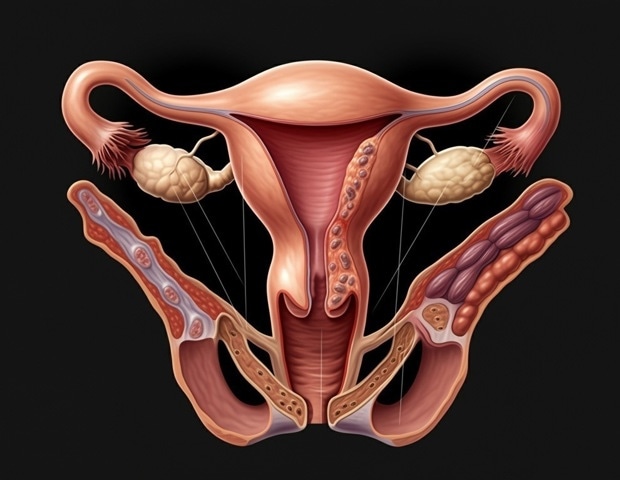
For years, the clinical conversation surrounding endometriosis has centered almost exclusively on the pathogenesis of pelvic pain and the hurdles of infertility. The condition, characterized by the growth of endometrial-like tissue outside the uterus, is widely recognized for its impact on conception. However, this new data shifts the focus toward the gestational period, suggesting that the biological environment created by endometriosis may influence neonatal outcomes.
The Inflammatory Environment and Fetal Development
The link between endometriosis and birth defects is not viewed as a direct causal relationship but rather as a reflection of the underlying systemic environment. Endometriosis is not merely a localized gynecological issue; it is a systemic inflammatory state. The presence of pro-inflammatory cytokines and oxidative stress—common markers in patients with the condition—can potentially interfere with the delicate process of embryogenesis.
This systemic involvement suggests that the risk may be tied to the overall health of the uterine environment and the maternal immune response. When the body maintains a chronic inflammatory state, it can alter the placental interface, potentially affecting the nutrient and oxygen exchange critical for fetal organogenesis. This biological mechanism underscores why a multidisciplinary approach to pregnancy is essential for this patient population.
“The observation of a slight increase in birth defect risk does not imply that endometriosis is a primary teratogen, but it does signal that we must look closer at the systemic inflammatory markers present during the first trimester,” notes a lead researcher in reproductive epidemiology.
Clinical Implications and Patient Triage
From a clinical perspective, the “small link” identified in these studies should not be framed as a cause for maternal anxiety, but as a prompt for enhanced vigilance. The goal is to move toward a model of “precision prenatal care” where a patient’s history of endometriosis informs the frequency and depth of fetal screenings.
For women planning a pregnancy or those currently in their first trimester, the priority is the stabilization of systemic inflammation and the optimization of metabolic health. This often requires a coordinated effort between specialists. It is highly recommended that patients engage with board-certified obstetricians and gynecologists who specialize in high-risk pregnancies to establish a tailored screening schedule.
Beyond routine ultrasounds, the data suggests that a proactive dialogue regarding genetic predispositions and environmental triggers is warranted. In cases where there is a family history of congenital anomalies combined with a diagnosis of endometriosis, consulting with certified genetic counselors can provide the necessary risk stratification to ensure the most appropriate diagnostic interventions are deployed early in the pregnancy.
Evaluating the Study Architecture and Transparency
The findings emerge from large-scale population-based cohort studies, which are the gold standard for identifying rare associations across diverse demographics. By analyzing thousands of pregnancy outcomes, researchers were able to isolate endometriosis as a variable, even after adjusting for age and other comorbidities. This level of statistical power is what allows for the detection of a “slight” increase that would be invisible in smaller clinical trials.
Transparency in funding is critical for establishing the validity of such claims. Much of this research has been supported by national health registries and university-based grants focused on reproductive health, ensuring that the findings are driven by public health interests rather than commercial pharmaceutical agendas. The reliance on peer-reviewed, longitudinal data ensures that the correlation is not a statistical fluke but a trend requiring further investigation into the molecular triggers of the condition.
The Trajectory of Reproductive Research
The discovery of this link represents a pivotal moment in the understanding of endometriosis. It transforms the condition from a “fertility barrier” into a lifelong health consideration that extends into the neonatal period. The next phase of research will likely focus on whether specific subtypes of endometriosis—such as deep infiltrating endometriosis—carry a higher risk profile than superficial lesions.
As we refine our understanding of the endocrine dysregulation and immune dysfunction associated with this disease, the standard of care will evolve. The objective is to transition from reactive treatment to a proactive, systemic management strategy that protects both the mother and the developing fetus. To navigate these complexities, patients and providers should rely on vetted, specialized care. Finding a provider through a recognized women’s health specialty clinic ensures access to the latest evidence-based protocols and comprehensive diagnostic tools.
*Disclaimer: The information provided in this article is for educational and scientific communication purposes only and does not constitute medical advice. Always consult with a qualified healthcare provider regarding any medical condition, diagnosis, or treatment plan.*