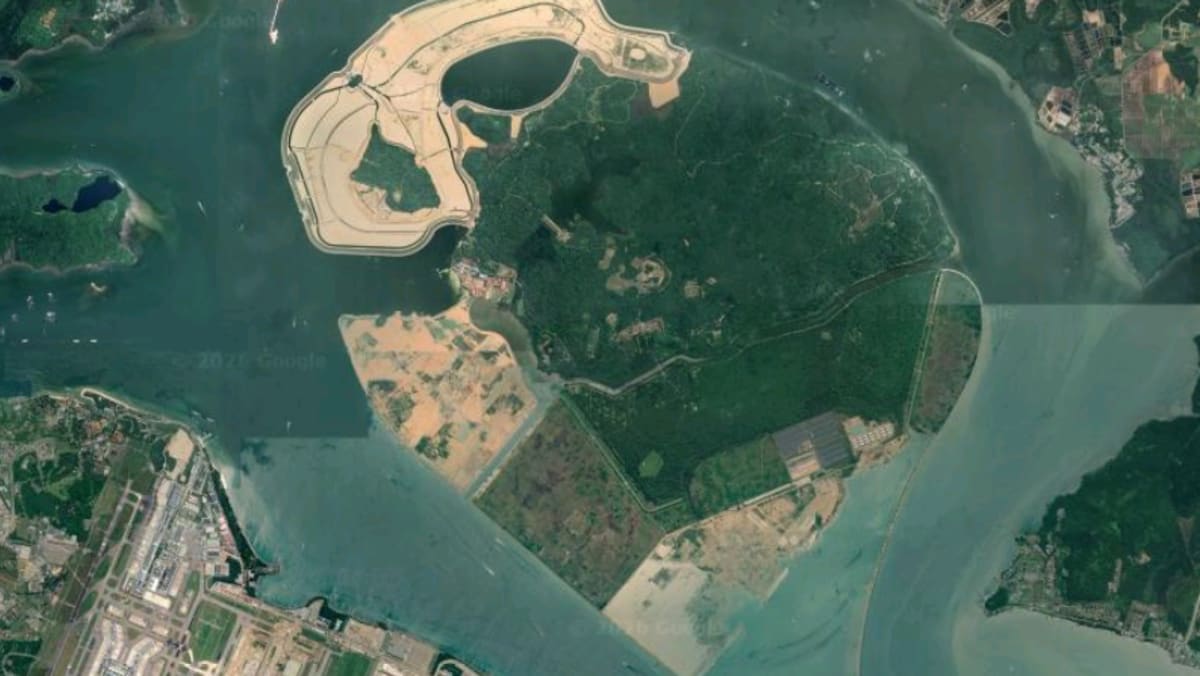
EMA to study feasibility of Pulau Tekong energy infrastructure cluster
Singapore is studying whether to turn a 200-hectare site on Pulau Tekong into an energy infrastructure cluster, with the Energy Market Authority launching a tender for a feasibility study on Oct 5, 2026. The proposed site is about 40 per cent the size of Sentosa and could potentially host hydrogen-ready natural gas power plants, a third liquefied natural gas terminal, and electricity import facilities, according to reports by The Straits Times and Channel NewsAsia.
Project Scope and Timeline for Pulau Tekong
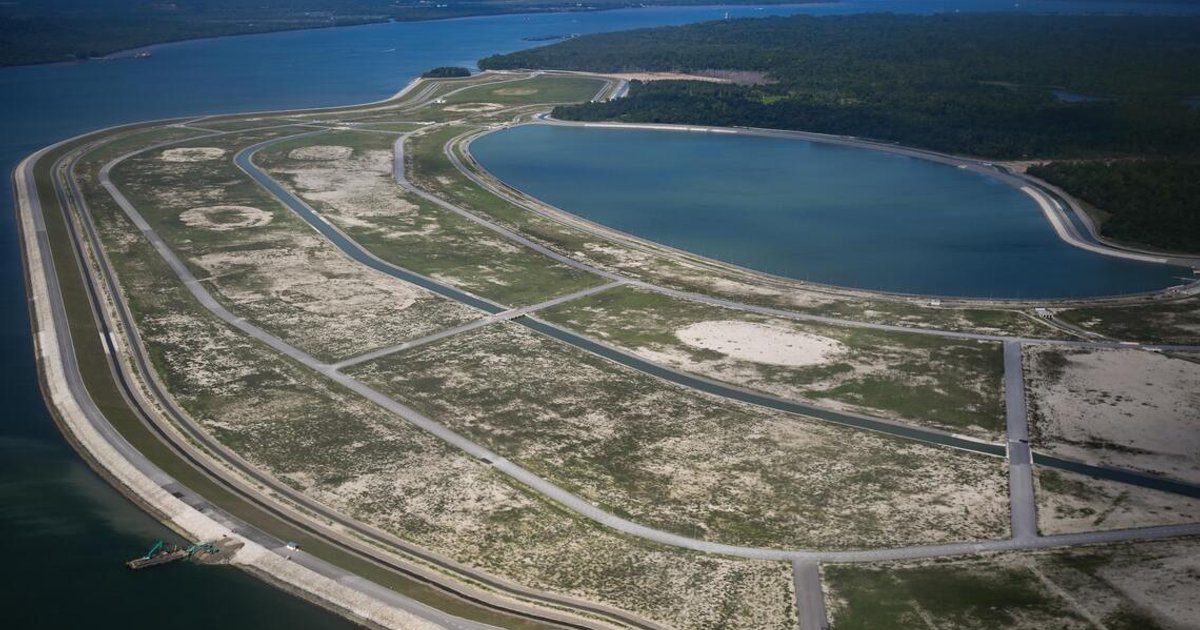
The Energy Market Authority will appoint a consultant by mid-2027 to develop a master plan for the 200-hectare site, which sits on reclaimed land at Pulau Tekong. The feasibility study is expected to take about two years to complete, according to the statutory board’s announcement on Oct 6, 2026. Tender documents published on the government procurement portal GeBiz show the study will assess accommodating approximately 6 gigawatts of domestic power generation and 2 gigawatts of electricity imports across three sea corridors. Prime Minister Lawrence Wong noted during the National Day Rally in August that roughly 500 hectares of reclaimed land on the island would become available for civilian use after meeting Singapore Armed Forces requirements.
Projections Driving Demand Growth
Energy-intensive sectors such as semiconductor manufacturing and data centres are driving up Singapore’s electricity consumption as the economy expands. Peak power demand is projected to grow by between 2.9 per cent and 6.5 per cent annually over the next 10 years, according to revised figures from the Energy Market Authority. By 2031, peak demand is forecast to reach between 9.9 gigawatts and 13 gigawatts. Energy Market Authority chief executive Puah Kok Keong stated that planning for future infrastructure is vital to support the nation’s continued development and growth.
Contrasting Demand Forecasts Across Official Figures
While the Energy Market Authority’s latest data points to a peak demand growth rate of up to 6.5 per cent annually over the coming decade, separate figures indicate a projected annual increase of 2.4 per cent to 4.8 per cent, with peak demand reaching between 9.6 gigawatts and 11.4 gigawatts by 2031. For context, Singapore maintained the capacity to produce about 13 gigawatts of electricity in the first half of 2025.
Singapore Diversifies Energy Sources with Hydrogen and Nuclear Power
The proposed cluster on Pulau Tekong supports Singapore’s broader strategy to diversify its energy sources and adopt lower-carbon fuels. The government is studying hydrogen infrastructure, regulations, and safety standards, with hydrogen potentially meeting up to half of the country’s electricity demand by 2050. Nuclear energy is also under review as another potential low-carbon power source. Tan-Soo, cited by The Straits Times, noted that while a third liquefied natural gas terminal indicates natural gas will remain important, additional import capacity provides flexibility and resilience during crises before greener alternatives scale up.
