Elena Pareja says matcha tea provides more bioactive compounds than green tea
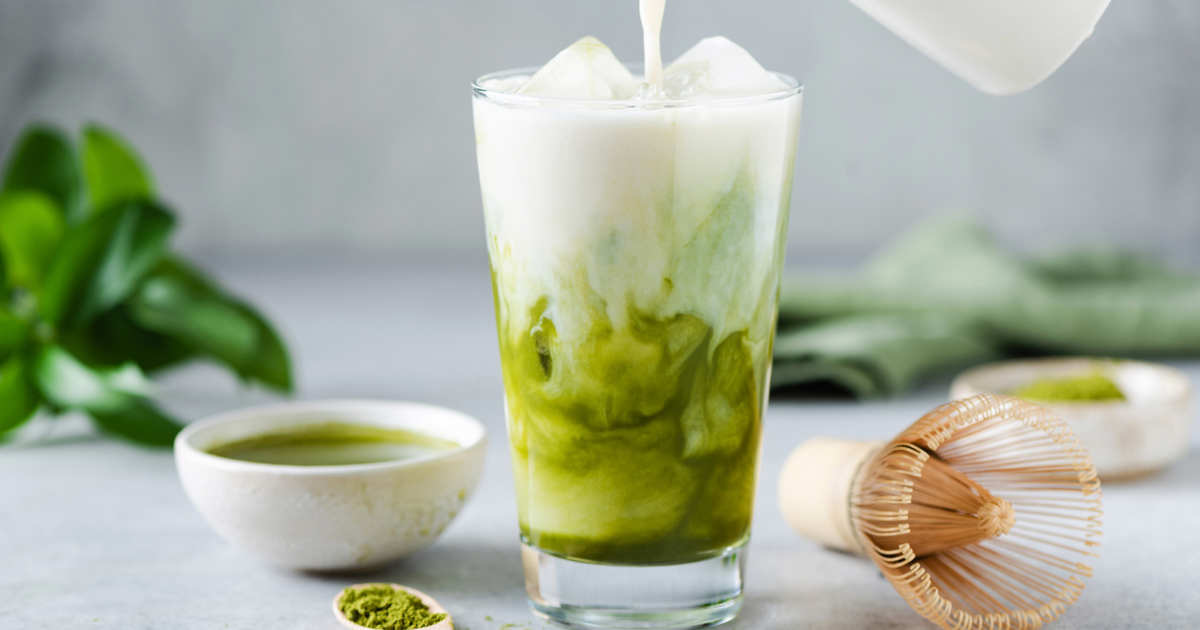
Matcha tea brings distinctive nutritional properties because consumers ingest the pulverized green tea leaf rather than just drinking an infusion, clara.es reported.
Key Clinical Takeaways:
- Matcha consumption involves ingesting the whole ground leaf, yielding higher concentrations of bioactive compounds like catechin antioxidants and caffeine than standard green tea infusions.
- Shading plants prior to harvest alters the leaf composition, increasing L-theanine levels, which affect cardiovascular and metabolic health.
- Individual caffeine sensitivity varies widely, and a daily intake of up to about 400 mg generally poses few safety issues for healthy adults.
Nutritional Composition of Ground Green Tea Leaves
Matcha originates from the same plant species as conventional green tea, but processing methods create distinct nutritional differences. Instead of steeping leaves and discarding them, producers grind the leaves into a fine powder mixed directly into water. Elena Pareja, head of the nutrition area at Metropolitan, explained to clara.es readers that this ingestion method delivers a larger volume of bioactive constituents, particularly catechins possessing high antioxidant activity.
Production steps also alter the plant biochemistry prior to harvest. Cultivators place the tea plants under shade covers for a specific period before gathering the crop. Pareja noted that this shading modifies leaf composition, resulting in elevated proportions of L-theanine. This naturally occurring amino acid yields positive effects on metabolic and cardiovascular health parameters.
Caffeine Content and Physiological Response Comparisons
Many consumers adopt matcha as a coffee alternative to increase alertness and lower fatigue. Pareja noted that both beverages supply caffeine, yet matcha pairs this stimulant with L-theanine. Researchers have studied this unique combination for its potential influence on attention span and cognitive concentration.
Despite consumer perceptions, individual physiological responses to caffeine vary significantly, and the beverage does not universally generate a more stable or prolonged energy curve than coffee. A standard cup of matcha delivers approximately 30 mg to 70 mg of caffeine, depending on the specific product and the quantity of powder utilized by the consumer.
Caffeine Safety Limits Vary by Individual Sensitivity
For healthy adults, daily caffeine intake up to approximately 400 mg generally remains within safe parameters. However, Pareja emphasized that this threshold does not suit every individual. Total daily intake must account for caffeine sourced from alternative items, including coffee, standard teas, energy drinks, carbonated soft drinks, and chocolate.
Certain individuals require cautious consumption habits. People with high caffeine sensitivity can experience digestive discomfort, sleep disturbances, heart palpitations, or nervousness even after consuming moderate amounts. Pareja also advised that pregnant individuals should restrict caffeine intake according to specific stage guidelines, while patients managing pre-existing medical conditions or taking interacting medications should consult a qualified healthcare provider to determine individualized consumption limits.
Matcha can integrate successfully into a balanced diet and serve as a coffee substitute for tolerant individuals, provided consumers evaluate intake within their broader lifestyle habits.
Disclaimer: The information provided in this article is for educational and scientific communication purposes only and does not constitute medical advice. Always consult with a qualified healthcare provider regarding any medical condition, diagnosis, or treatment plan.