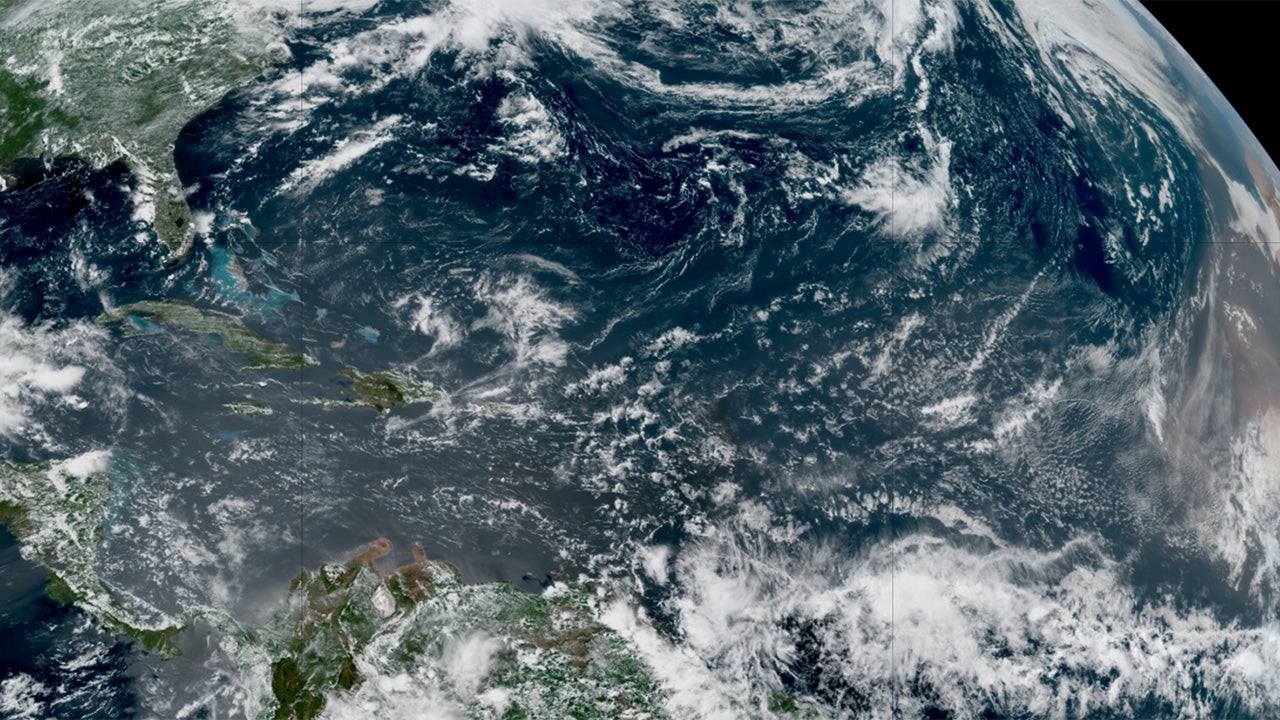
El Niño to Shape 2026 Atlantic Hurricane Season Outlook
An intensifying El Niño cycle is projected to fundamentally alter the 2026 Atlantic hurricane season, potentially suppressing storm formation through increased vertical wind shear while simultaneously heightening the risk of extreme rainfall events. Meteorologists are monitoring these shifts as coastal infrastructure in the U.S. Southeast and Caribbean faces mounting vulnerability.
Shifting Atmospheric Dynamics and the 2026 Outlook
The transition toward a robust El Niño phase disrupts the traditional atmospheric conditions that typically govern Atlantic hurricane activity. By warming the central and eastern tropical Pacific, El Niño triggers a ripple effect known as teleconnection, which significantly increases wind shear across the Atlantic basin. According to data from the National Oceanic and Atmospheric Administration (NOAA), high wind shear acts as a mechanical deterrent, effectively tearing apart the convective structures of developing tropical cyclones before they can reach intensity.

However, reduced frequency does not equate to diminished risk. Historical data suggests that while the total number of named storms may decline, the localized impact of those that do form can be amplified by anomalously warm sea surface temperatures. These thermal reservoirs provide the necessary fuel for rapid intensification, even in environments characterized by hostile shear.
“We are moving away from a period of relative predictability into a cycle where the variance between storm-free weeks and catastrophic events is widening,” notes Dr. Elena Vance, a climate risk analyst who monitors regional resilience patterns. “The danger lies in the complacency that often follows a quiet mid-season forecast.”
Infrastructure Vulnerability and Municipal Readiness
Coastal cities from Miami to Charleston are currently re-evaluating their storm drainage and flood mitigation strategies in light of the 2026 projections. The intersection of rising sea levels and the specific rainfall patterns associated with El Niño events creates a compounded flood risk that legacy infrastructure was not designed to accommodate. Municipalities are increasingly relying on Civil Engineering and Infrastructure Firms to conduct stress tests on existing sea walls and stormwater management systems.

In jurisdictions like Florida’s Miami-Dade County, local ordinances regarding construction standards are undergoing rapid updates. The focus has shifted from simple wind resistance to comprehensive water management. Developers and property owners are now compelled to utilize Specialized Environmental and Flood Risk Consultants to ensure that new projects meet the stringent requirements dictated by these evolving climatic realities.
The Economic Stakes for Commercial Real Estate
For the commercial sector, the 2026 hurricane season presents a complex actuarial challenge. Insurance premiums in high-risk zones continue to climb, forcing stakeholders to adopt more aggressive risk-transfer strategies. The volatility introduced by an El Niño-influenced season complicates long-term asset valuation, particularly for properties situated in flood-prone corridors.
Legal experts observe that the ambiguity surrounding climate-related disclosure requirements is creating a new frontier for litigation. Corporations are turning to Commercial Real Estate and Insurance Litigation Attorneys to navigate the shifting landscape of liability, particularly regarding the failure to adequately prepare assets for extreme weather events that deviate from historical norms.
| Factor | Typical El Niño Impact | 2026 Projection |
|---|---|---|
| Atlantic Wind Shear | Increased | High (Suppressive) |
| Sea Surface Temps | Variable | Above Average (Enabling) |
| Primary Hazard | Storm Surge/Rainfall | Localized Extreme Precipitation |
Managing the Residual Risk
The unpredictability of the 2026 season suggests that traditional disaster recovery models may prove insufficient. Experts emphasize that the period of highest risk often occurs when a system manages to bypass the shear, utilizing the latent heat in the Gulf of Mexico or the Caribbean to achieve rapid, unexpected growth.

Community leaders are urging a proactive rather than reactive stance. This involves securing supply chains for emergency materials and coordinating with private contractors well before the peak months of August and September. Ensuring that a property is backed by vetted, reliable restoration services is no longer a luxury but a fundamental component of property management.
“The climate is no longer a static background variable; it is an active participant in our economic planning,” says Marcus Thorne, a regional planning commissioner. “If you aren’t auditing your vulnerability now, you are essentially betting against data that has proven remarkably accurate over the last decade.”
As the 2026 season approaches, the focus must remain on the intersection of data-driven forecasting and physical preparedness. While the atmospheric shift toward El Niño provides a degree of natural protection against the sheer volume of storms, the potential for high-impact, localized disasters remains a constant threat. For businesses and municipalities, the path forward requires a rigorous commitment to institutional resilience—a process that begins with engaging experts who understand the granular details of climate-impacted infrastructure. Whether through structural reinforcement, legal compliance, or logistical planning, the time to mitigate the risks of the coming season is before the first tropical depression takes shape.