
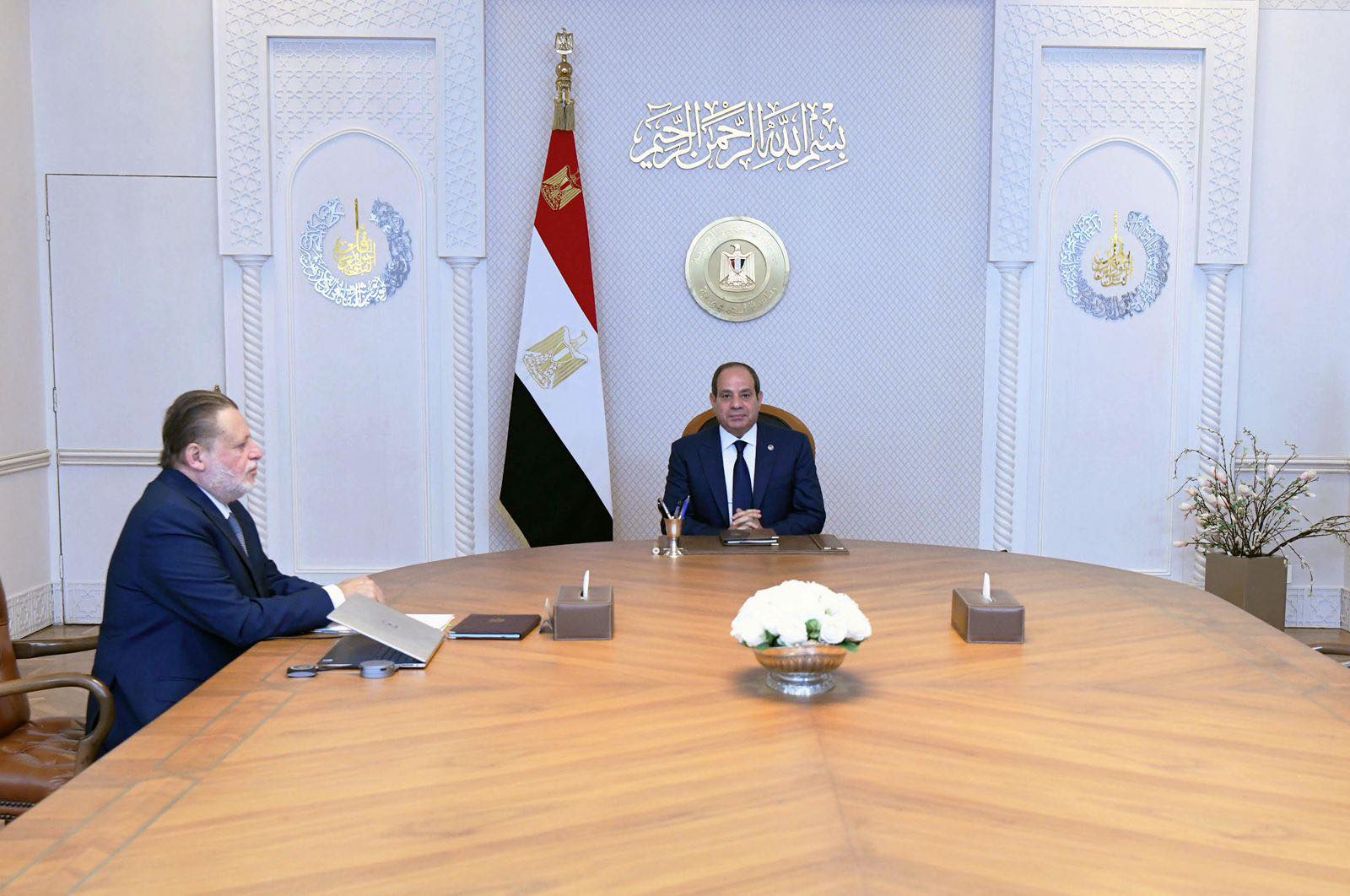
CAIRO – Egypt’s President Abdel Fattah al-Sisi met with Central Bank of Egypt (CBE) Governor Hassan Abdalla on Saturday, February 21, 2026, to review the performance of the banking sector and monetary policy, as the nation’s foreign currency reserves reached a record high of $52.6 billion in January 2026.
According to a statement released by the Presidency, the meeting focused on developments and achievements within the banking sector throughout 2025. Governor Abdalla detailed the increase in net international reserves, a significant rise from $33.1 billion recorded in August 2022, as reported by Egypt Independent.
The substantial reserves now provide coverage for approximately 6.9 months of merchandise imports, exceeding internationally recommended levels of adequacy. This improvement underscores the continued strength of financial soundness indicators and the resilience of both the CBE and the broader Egyptian banking system in supporting macroeconomic stability, the Presidency stated.
Net foreign assets within the banking sector reached $25.5 billion in December 2025, the highest figure since February 2020. This growth was fueled by improvements in the net foreign asset positions of commercial banks, which stood at $12.2 billion, alongside a surge in remittances from Egyptians working abroad, increased tourism revenues, and greater foreign investment in Egyptian government debt instruments.
The CBE’s own net foreign assets rose to $15.1 billion in January 2026. The meeting also addressed Egypt’s improving sovereign credit outlook. Standard & Poor’s recently upgraded Egypt’s long-term credit rating to B from B- with a stable outlook – the first upgrade in seven years – while Fitch Ratings affirmed the country’s long-term foreign currency rating at B with a stable outlook, according to reports from Daily News Egypt.
President al-Sisi emphasized the importance of sustained efforts to control inflation through targeted market oversight, ensuring the consistent availability of essential goods and maintaining price stability. He also called for reinforcing financial stability and transparency, pursuing policies that support sustainable growth, and expanding incentives to attract investment and strengthen the role of the private sector in driving economic activity.
Discussions also included progress in advancing financial inclusion, accelerating digital transformation within the financial sector, and the CBE’s corporate social responsibility initiatives, particularly in the health and education sectors.
