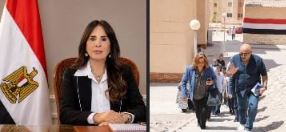
Egypt Housing Ministry Expands Rental and Rent-to-Own Programs for Affordable Housing
The Egyptian Ministry of Housing, Utilities, and Urban Communities is rolling out a new residential initiative to distribute thousands of housing units through flexible rental and rent-to-own programs. According to Minister Randa El-Menshawy, this effort targets diverse income brackets, aiming to ease financial burdens on citizens and support youth access to stable housing.
Expanding Access Through Rental and Ownership Models
The government is diversifying its housing strategy to address the varying financial capacities of Egyptian households. Minister Randa El-Menshawy confirmed that the ministry has finalized preparations for two distinct distribution schemes. The New Urban Communities Authority (NUCA) will oversee the release of 5,000 units under a rent-to-own structure, while the Social Housing and Mortgage Finance Fund will manage the allocation of 15,000 rental-only units.
This initiative follows mandates from President Abdel Fattah El-Sisi to provide sustainable housing alternatives that promote social justice. By moving beyond traditional outright purchase models, the ministry aims to integrate more citizens into the formal housing market.
Program Logistics and Eligibility Criteria
These units are designed to balance social welfare with the fiscal sustainability of the state's housing programs.

The rent-to-own model includes specific operational parameters:
- Contract Duration: The lease-to-own period is set for 20 years from the date of handover.
- Allocation Method: Units will be assigned via public lottery among applicants who meet all eligibility requirements.
- Family Limitations: Households—defined as a husband, wife, and minor children—are restricted to a single application per unit.
- Accessibility: Five percent of the total unit inventory is reserved for individuals with disabilities.
Applicants must adhere to income caps set by the ministry, which are calculated to ensure alignment with the monthly rental values of the properties. Residents are also responsible for ongoing maintenance costs throughout the 20-year term.
Infrastructure Quality and Urban Sustainability
A central focus of the current ministerial review is the readiness of the units themselves. Minister El-Menshawy emphasized that the government is prioritizing the quality of construction, interior finishes, and the immediate availability of essential utilities.
The Path Forward for Prospective Tenants
The shift toward rental-based housing reflects a broader macroeconomic effort to align housing availability with the liquidity levels of the average Egyptian family. By providing an alternative to the high upfront costs of traditional home ownership, the ministry is attempting to stabilize household budgets.

The success of these programs hinges on the transparency of the allocation process. By utilizing public lotteries and strictly defined income brackets, the Ministry of Housing aims to minimize the risk of inequitable distribution.