Unlikely Bipartisan Coalition Emerges to Oppose AI Data Center Expansion Across the U.S.
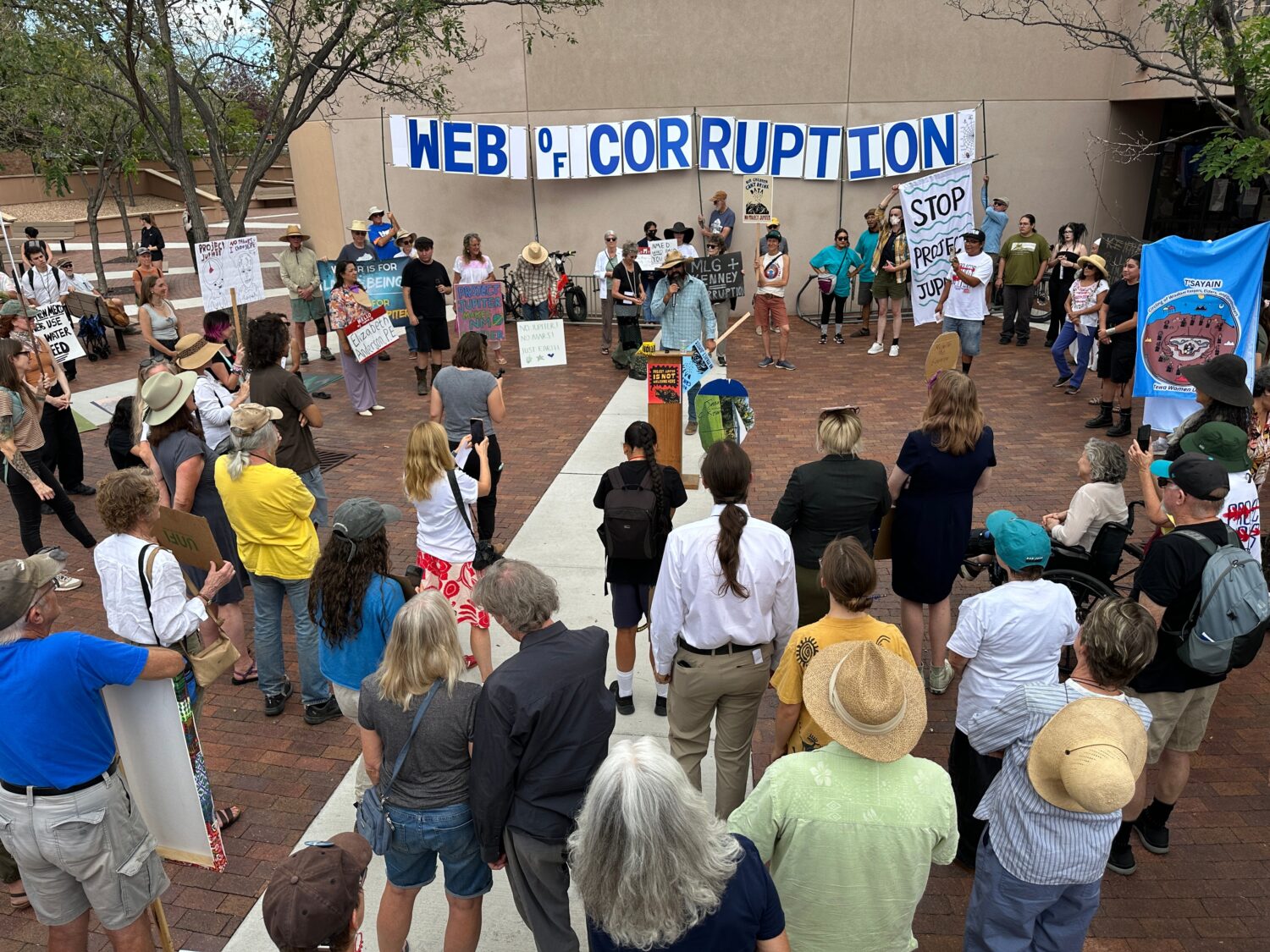
Artificial intelligence data centers are meeting resistance across the United States as a coalition of environmentalists, conservative farmers, and local residents unites to challenge rapid industrial expansion. From rural Nebraska to the borderlands of New Mexico, communities are demanding greater oversight of the land, water, and energy resources required to power the next generation of computing infrastructure.
The Resource Conflict: Water Scarcity and Industrial Demand
In Doña Ana County, New Mexico, the proposed $165 billion “Project Jupiter” data center complex has become a focal point for regional anxiety over water rights. New Mexico has faced years of persistent drought, with the state’s largest reservoir currently operating at only 1.3% of its capacity. Samantha Barncastle Salopek, a water attorney and Republican candidate for the Doña Ana County Commission, emphasizes that the pushback is not a partisan divide but a survival strategy. “When we have to fight over the last piece of the pie, those big companies are going to win,” Barncastle Salopek stated.
The legal battle surrounding this project escalated last week when the Center for Biological Diversity filed an emergency petition with the New Mexico Supreme Court. The court responded on Sunday by granting a stay that halts the authorization of a new well intended to supply water for the construction phase of the complex. While Oracle, the developer behind Project Jupiter, has pledged $50 million toward regional water systems and promised closed-loop cooling technology, local stakeholders remain skeptical of the long-term impact on the area’s agricultural base, which includes pecan and chile farms.
Defying Partisan Boundaries in Rural America
The opposition movement defies traditional political categorization. In Cass County, Nebraska, the Sierra Club and conservative agricultural landowners have found common ground in their shared concern over the loss of farmland and potential increases in electricity rates. The local firehouse in Murdock, Nebraska, recently hosted a gathering of residents concerned about a potential data center project involving Tenaska, which has explored options on over 1,300 acres of land along Highway 75.

The economic pressure on farmers, exacerbated by trade tensions and rising operational costs, has created a complex environment for land sales. Some landowners are being offered prices significantly higher than the local average of $10,000 per acre. Judy Stroy, a fifth-generation farmer in Cass County, noted the gravity of the situation: “With the amount of ground that’s getting gobbled up every year, our food source is in trouble.” Local officials in Cass County have responded to these concerns by implementing a 12-month moratorium on data center development, effectively hitting the pause button on pending projects.
Infrastructure and Economic Divergence
While local communities express environmental and land-use concerns, labor advocates and some industry proponents argue that data centers are essential for national competitiveness and local job growth. Mike Gage, president and secretary-treasurer of the Nebraska State AFL-CIO, acknowledged the anxiety surrounding AI-driven job displacement but pointed to the long-term benefits of construction and maintenance roles. “This problem is also a very big opportunity for some small communities,” Gage said.

The tension between immediate economic stimulus and long-term resource sustainability is pushing developers to engage more deeply with local infrastructure planning. Navigating these land-use disputes has become a primary challenge for tech firms and municipal governments alike. For property owners and community groups, the complexity of these zoning and environmental regulations often requires specialized guidance.
The Regulatory Landscape and Future Oversight
As the U.S. approaches the November midterm elections, the political pressure on local and state officials to address these infrastructure demands is intensifying. The debate involves critical questions about the national power grid, which is already under significant strain.
The conflict demonstrates a growing awareness of the physical footprint of digital technology. As the New Mexico Supreme Court case proceeds and Nebraska’s moratorium remains in effect, the outcome of these local battles will likely set a precedent for how the rest of the country manages the intersection of artificial intelligence, water security, and rural land preservation.
The digital age is rapidly requiring a physical foundation, and the cost of that foundation is being tallied in gallons of water and acres of topsoil. Communities across the political spectrum are signaling that they are no longer willing to accept the expansion of data centers as an inevitable, unquestioned reality. The future of this technology will depend on whether developers can move beyond promises of future efficiency and effectively address the immediate, local concerns of the people who live on the land they intend to build upon.