
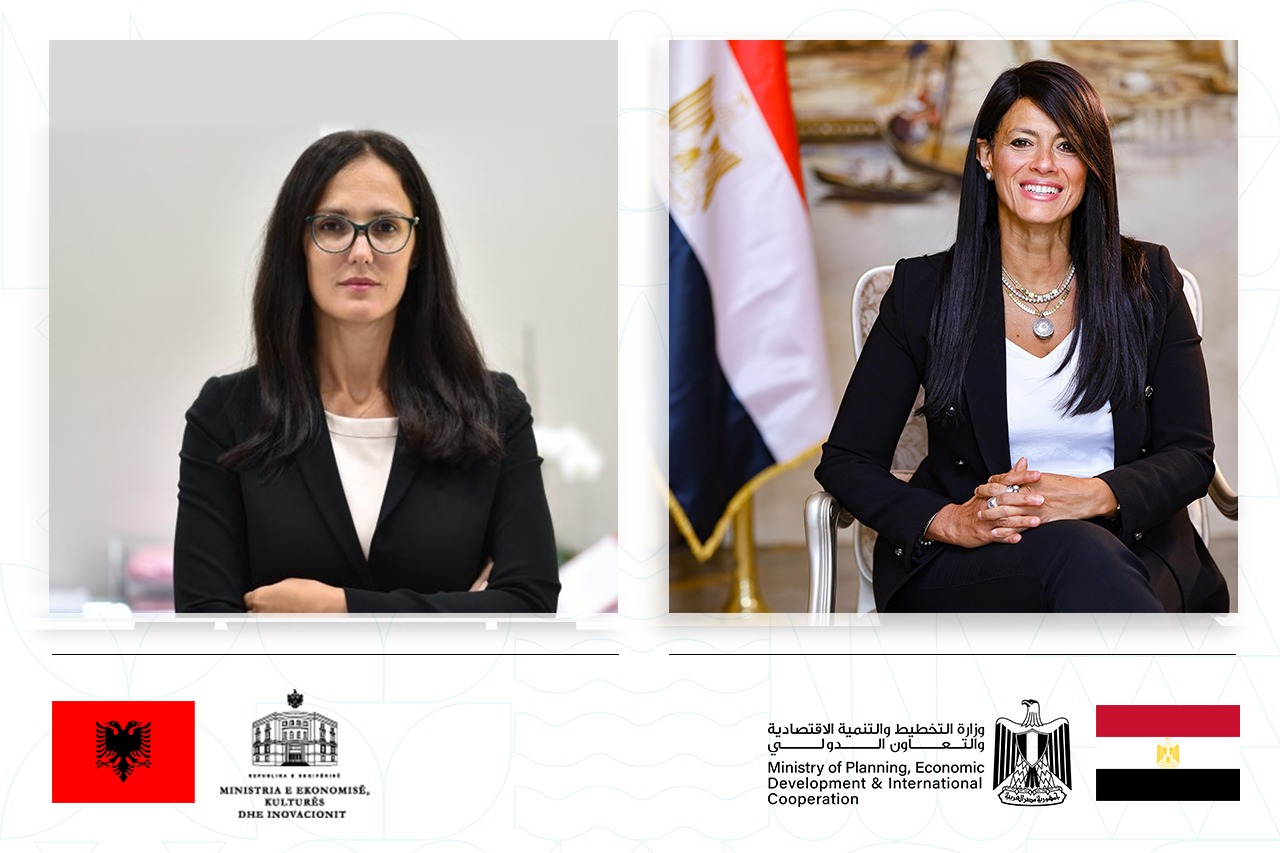
Egypt’s Ministry of Planning, Economic Development, and International Cooperation is now at the center of a structural shift involving Egypt’s diversification of trade and strategic outreach to the Western Balkans. The immediate implication is a broadened economic corridor that can augment Egypt’s export markets while offering Albania a gateway to African and Middle‑Eastern supply chains.
The Strategic Context
Since the early 1990s, Egypt has pursued a policy of expanding its economic diplomacy beyond customary partners in the Arab world and Europe, seeking new markets to offset domestic growth constraints and to reduce reliance on a narrow set of export destinations. The Western Balkans, and Albania in particular, have emerged as a focal point for this outreach as of their EU accession aspirations, strategic location on the Adriatic, and ongoing infrastructure upgrades.The revival of the Egyptian‑Albanian joint committee after a three‑decade hiatus aligns with a broader multipolar trend in which middle‑power states leverage bilateral platforms to create alternative trade routes and to embed themselves in regional development projects.
Core Analysis: Incentives & Constraints
Source Signals: The Egyptian minister chaired the joint committee for the first time since 1993, emphasizing cooperation in trade, investment, and technical fields. A business forum will involve private‑sector participants. The agenda included ministries covering investment, renewable energy, higher education, agriculture, civil aviation, labor, and public business, as well as authorities such as the Suez Canal Economic Zone and the Arab Organisation for Industrialisation. Egypt currently oversees 54 joint committees, 30 of which involve European nations.
WTN Interpretation: Egypt’s timing reflects a need to diversify export markets amid domestic economic pressures, including inflation and a slowdown in traditional tourism revenues. By engaging Albania,Egypt taps into a country eager for foreign direct investment to modernize its infrastructure and to meet EU accession benchmarks. Egypt leverages its strategic assets-most notably the Suez Canal Economic Zone and its experience in large‑scale infrastructure-to offer value‑added partnerships. constraints for Egypt include limited fiscal space to fund overseas projects and the necessity to balance relations with the EU, which monitors foreign influence in the balkans. Albania’s constraints involve a modest domestic market size and dependence on EU funding, making it sensitive to the terms of any external investment.
WTN Strategic Insight
“Egypt’s pivot to the Western Balkans illustrates how middle‑power economies are constructing parallel trade corridors to hedge against over‑reliance on traditional partners,a pattern that is reshaping regional supply‑chain architectures worldwide.”
Future Outlook: Scenario Paths & Key Indicators
Baseline Path: If the joint committee produces concrete project pipelines-notably in renewable energy, logistics, and tourism-and both governments maintain political continuity, the partnership will evolve into a modest but steady flow of Egyptian investment into Albanian infrastructure. This will reinforce Egypt’s diversification strategy and give albania a credible alternative source of capital, gradually integrating the two economies without provoking major geopolitical friction.
Risk Path: If domestic economic pressures in Egypt intensify (e.g., currency depreciation or fiscal tightening) or if EU scrutiny of non‑EU investment in the Balkans escalates, the momentum of the partnership could stall. Albania might then revert to seeking funding exclusively from EU mechanisms, leaving Egypt’s outreach without substantive outcomes and potentially prompting a re‑orientation toward other Balkan states.
- Indicator 1: Announcement of specific investment projects (e.g., a renewable‑energy plant or a logistics hub) within the next three months, tracked through ministries of investment and the Suez Canal Economic Zone Authority.
- Indicator 2: EU policy statements or regulatory actions concerning non‑EU foreign direct investment in the Western Balkans, especially any new screening mechanisms slated for the next six months.
