Egypt 1-1 Iran: VAR Controversy and Key World Cup Takeaways
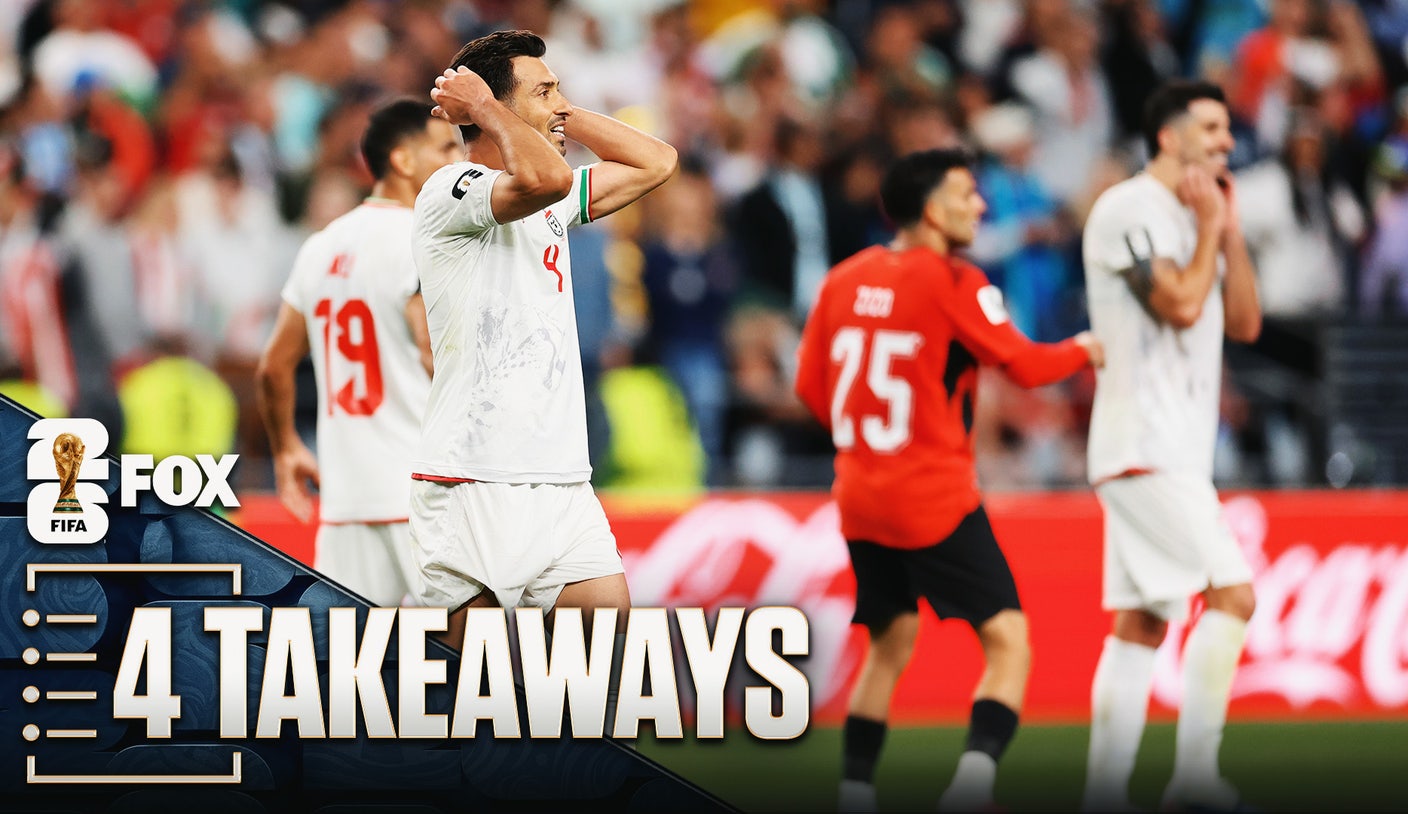
Iran and Egypt played to a 1-1 draw in Seattle, a result that finalized Egypt’s advancement to the World Cup Round of 32 while leaving Iran’s tournament fate to tie-breaking calculations. An overturned stoppage-time goal by Shoja Khalilzadeh, disallowed via VAR for a marginal offside, prevented an Iranian victory.
The Geometric Margin: How VAR Reshaped Group Standings
The officiating decision in stoppage time fundamentally altered the trajectory of the tournament bracket. Shoja Khalilzadeh’s disallowed goal would have secured three points for Iran, pushing them into second place in the group standings. Instead, the intervention of Video Assistant Referee (VAR) technology, which identified a shoulder-width offside, maintained the 1-1 deadlock. This result allowed Egypt to progress as runners-up, while Iran remains in the precarious position of waiting for the results of other groups to determine if they qualify as one of the third-placed teams.

This situation highlights the increasing reliance on optical tracking data in professional sports. When elite athletes face such microscopic margins, the physical toll of a tournament is compounded by psychological frustration.
Tactical Evolution: The Managed Minutes of Mohamed Salah
Egypt’s progression relied on a tactical shift by Hossam Hassan, who moved Mohamed Salah from his traditional wing position into a central No. 10 role. This adjustment served to mitigate the impact of reduced acceleration, allowing Salah to utilize his vision rather than raw pace. The strategy proved effective; Salah was substituted in the 57th minute with the knockout berth all but sealed, demonstrating a calculated approach to load management.
Resilience Amidst Logistical Hurdles
Iran’s performance throughout the group stage remained consistent despite significant logistical challenges. The team navigated a rigorous travel schedule across the West Coast and the U.S.-Mexico border, compounded by visa delays and frequent media distractions. Despite these hurdles, Iran remained unbeaten through three matches against Belgium, New Zealand, and Egypt.
The Psychological Cost of Millimeter-Based Officiating
The VAR call against Khalilzadeh marks the second time in the current tournament that Iran has had a decisive goal nullified by a marginal offside ruling, following Mehdi Taremi’s disallowed finish against Belgium. This recurring theme raises questions regarding the consistency of human interpretation in the VAR booth. While the technology provides a definitive line, the reliance on human judgment to initiate the review process remains a point of contention among players and staff.
As Iran faces an uncertain future in the tournament, the focus shifts to the potential for a “third-placed lottery.” Regardless of the outcome, the team’s ability to remain competitive under extreme pressure counts for something after everything the players and staff have endured.
Disclaimer: The insights provided in this article are for informational and entertainment purposes only and do not constitute medical advice or sports betting recommendations.