EDITORIAL: Diplomacy along with shelters needed to fend off missile attacks
Japan’s Cabinet approved a national shelter mandate targeting full population coverage by 2030, responding to escalating regional missile threats. This policy shifts capital toward dual-use infrastructure, forcing municipalities to reconcile fiscal constraints with defense readiness. Investors must assess the ripple effects on construction yields and sovereign risk premiums across East Asian markets.
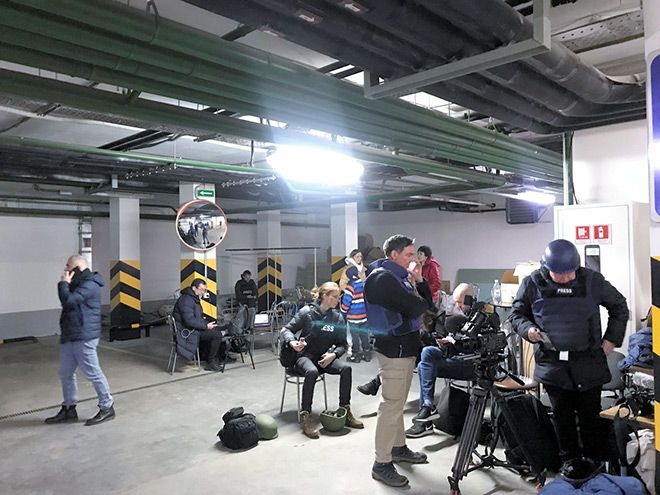
Tokyo is rewriting its civil protection playbook. The approval of a basic policy for securing shelters marks a pivot from diplomatic deterrence to physical hardening. While official figures suggest existing structures accommodate 150 percent of the population, the utility of these spaces collapses under scrutiny. Only 5 percent of designated facilities offer underground protection against bomb blasts and debris. This gap represents a massive unfunded liability for local governments. Municipalities face a binary choice: raise taxes to fund concrete reinforcements or leverage private assets like underground shopping malls and parking lots. The latter option opens a lucrative corridor for infrastructure development firms capable of retrofitting commercial spaces for dual-use emergency protocols.
Fiscal reality bites hard. Prime Minister Sanae Takaichi’s crisis management investment initiative provides a lifeline, yet central and local coffers remain strained. The defense budget is already swelling, targeting 2 percent of GDP by 2027 to fund counterstrike capabilities and long-range missile installations. Japan Ministry of Defense data confirms this upward trajectory, diverting funds from social welfare to hard security. Capital allocation becomes a zero-sum game. Every yen spent on blast-resistant ventilation systems is a yen not spent on aging population care. This tension creates volatility for bond markets, as sovereign debt issuance ramps up to cover the shortfall.
Residents near new missile bases in the Sakishima Islands understand the risk premium better than traders in Marunouchi. Evacuation plans for 120,000 individuals in Okinawa Prefecture highlight the logistical nightmare. Transporting civilians during a conflict scenario assumes sea and air lanes remain open, a dubious assumption in a high-intensity exchange. The government emphasizes deterrence, but deterrence failure scenarios lack detailed fiscal modeling. Insurance underwriters are already adjusting models. Stockholm International Peace Research Institute reports indicate rising defense expenditures across the Pacific correlate with increased insurance premiums for maritime assets. Corporate treasurers demand to hedge against supply chain interruptions caused by regional instability, not just direct damage.
Three structural shifts will define the investment landscape over the next four quarters:
- Dual-Use Infrastructure Retrofitting: Private sector cooperation is no longer optional. Commercial real estate owners with underground assets face pressure to integrate emergency power and filtration systems. This drives demand for specialized engineering contractors who can navigate both building codes and defense regulations. Companies specializing in crisis management consulting will see increased retainers as firms seek to align corporate continuity plans with national defense protocols.
- Geopolitical Risk Insurance Products: Standard business interruption policies exclude acts of war. The widening gap between diplomatic rhetoric and military preparation creates a coverage void. Insurers must develop parametric products triggered by specific escalation thresholds, such as missile launches or naval blockades. This niche requires actuarial teams with deep intelligence backgrounds rather than traditional risk models.
- Supply Chain Redundancy Costs: Just-in-time manufacturing relies on stable sea lanes. The Sakishima evacuation plan acknowledges the vulnerability of island logistics. Multinational corporations operating in Japan must diversify inventory holdings away from coastal hubs. This inventory buildup impacts working capital efficiency and EBITDA margins, forcing CFOs to balance resilience against profitability.
Market sentiment remains cautious.
“Defense spending is no longer a political debate. It’s a budget line item with multi-year lock-in. The real cost lies in the opportunity cost of civil infrastructure,”
noted a senior strategist at a major Tokyo-based asset management firm during a recent quarterly outlook briefing. The comment underscores the trade-off. Building shelters does not generate revenue; it mitigates loss. For equity investors, this means looking beyond defense contractors to the恩abling industries. Construction firms with government clearance, security technology providers and logistics companies with redundant networks stand to gain.
Diplomacy remains the cheaper shield, yet the sword is being sharpened. Relations with China continue to deteriorate, and communication channels with North Korea remain severed. The basic plan acknowledges the need to avoid military attack, but the resource allocation tells a different story. Preparation for a possible nuclear attack is now part of the research mandate. This escalation changes the risk profile for foreign direct investment. Multinationals evaluating regional headquarters locations must factor in civil defense capabilities alongside tax incentives. A city with 5 percent underground shelter coverage presents a higher operational risk than one investing in hardening.
Compliance teams face a new regulatory layer. As the government seeks private sector cooperation, legal frameworks regarding liability during emergencies will evolve. Who bears responsibility if a private parking lot designated as a shelter fails during an attack? Corporate counsel must review force majeure clauses and employee safety obligations. Engaging corporate law and compliance firms becomes essential to navigate these emerging liabilities. The cost of legal preparedness is minor compared to the reputational damage of failing employees during a crisis.
The 2030 goal looms large. Covering the entire population, including daytime commuters in urban centers, requires unprecedented coordination between public and private entities. Ministry of Finance budget drafts will reveal the scale of subsidies available for private participation. Investors watching the yield curve should note that defense-related infrastructure spending often carries lower risk premiums due to government backing. However, the timeline is aggressive. Delays in construction or funding bottlenecks could spark political friction, impacting local election outcomes and subsequent policy continuity.
Capital flows toward safety. In a region where missile ranges overlap with economic hubs, physical security becomes an asset class. The market will reward entities that can quantify risk reduction. Firms offering verified shelter capacity data or real-time threat monitoring services will find eager buyers among institutional investors protecting portfolio companies. The directory serves as a conduit for these specialized services, connecting capital with capability.
War prevention remains the optimal economic strategy, but markets price in probability, not hope. As Tokyo fortifies its underground spaces, the message to global investors is clear: resilience costs capital. The companies that thrive will be those integrating defense readiness into their core operational strategy, not treating it as an afterthought. Navigate this shift by partnering with vetted experts who understand the intersection of national security and corporate finance. The World Today News Directory curates these connections, ensuring your supply chain survives the geopolitical storm.