
ECOWAS at a Crossroads: Calls for Deeper Democracy and Citizen Engagement
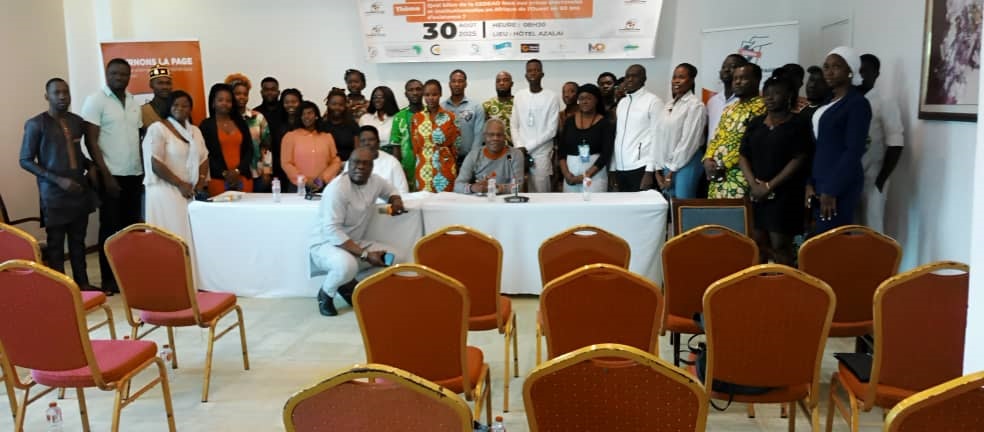
The future of the Economic community of West African States (ECOWAS) is under scrutiny, with a growing chorus of voices demanding a shift from state-centric operations to a truly integrated community built on democratic principles and active citizen participation. A recent series of discussions highlighted deep-seated concerns about the organization’s current structure and the obstacles hindering its progress towards becoming a genuinely “ECOWAS of the peoples.”
A central theme emerging from the dialog was the critical importance of basic freedoms. Experts emphasized that genuine democracy extends beyond mere elections, requiring the robust protection of expression, association, and thought. Without these guarantees, any semblance of popular legitimacy rings hollow.
Author Morgan Assogba, of “Making the ECOWAS of the peoples a reality,” pinpointed a key challenge: a reluctance by member states to cede sovereignty coupled with a lack of civic engagement among citizens. he lamented widespread electoral abstention and disinterest in regional institutions as indicators of “worrying democratic immaturity,” arguing that meaningful change must originate “from the bottom,” reflecting the principle that societies get the leadership they deserve.
David Dosset, a Togolese activist, echoed this sentiment, criticizing ECOWAS’s focus on heads of state at the expense of the regional parliament, which he characterized as largely powerless. He advocated for structural reforms, including the direct election of regional parliamentarians, genuine freedom of movement, and increased cross-border citizen initiatives to challenge existing boundaries. Dosset stressed that “without popular pressure, nothing will change.”
One enterprising proposal, put forward by Professor Tokpanou, suggested holding regional referendums in each member state to redefine ECOWAS’s mission. While Assogba acknowledged the potential value of such a move, he questioned its effectiveness, asking how a referendum could alter the behavior of leaders who already disregard the will of their people at the national level. He highlighted a persistent disconnect between citizen aspirations and political realities.
The promise of free circulation within the region also faces significant hurdles. Participants, like Ivorian citizen Solange Koné, recounted experiences of illegal controls, rejection of national identity cards as valid travel documents, and unwarranted suspicion towards citizens of neighboring countries. Joël Atayi Guèdègbé described a “total legal insecurity” stemming from the conflict between community texts and actual police practices, illustrating the gap between policy and implementation. security concerns and a lack of harmonization are proving to be major roadblocks.Further complicating the situation is a perceived erosion of democratic norms, exemplified by recent political events. Guèdègbé pointed to the paradox of coup leaders swearing oaths to constitutions they have subsequently suspended, questioning the “democratic coherence” of such actions and denouncing a growing acceptance of constitutional breaches. He observed that military regimes often offer little beyond empty rhetoric regarding sovereignty and reform.
Ultimately, the consensus is that ECOWAS cannot become the “democratic and integrated space” desired by its citizens without fundamental transformations within the national political systems of its member states. Respect for rights, citizen information, leader accountability, and institutional coherence remain critical areas for improvement.
As one participant concluded, “We do not build democracy with slogans or decrees.” While the path towards a truly integrated and democratic ECOWAS is fraught with challenges, the ongoing debate, increasing citizen awareness, and initial shifts in viewpoint offer a glimmer of hope for the future.
