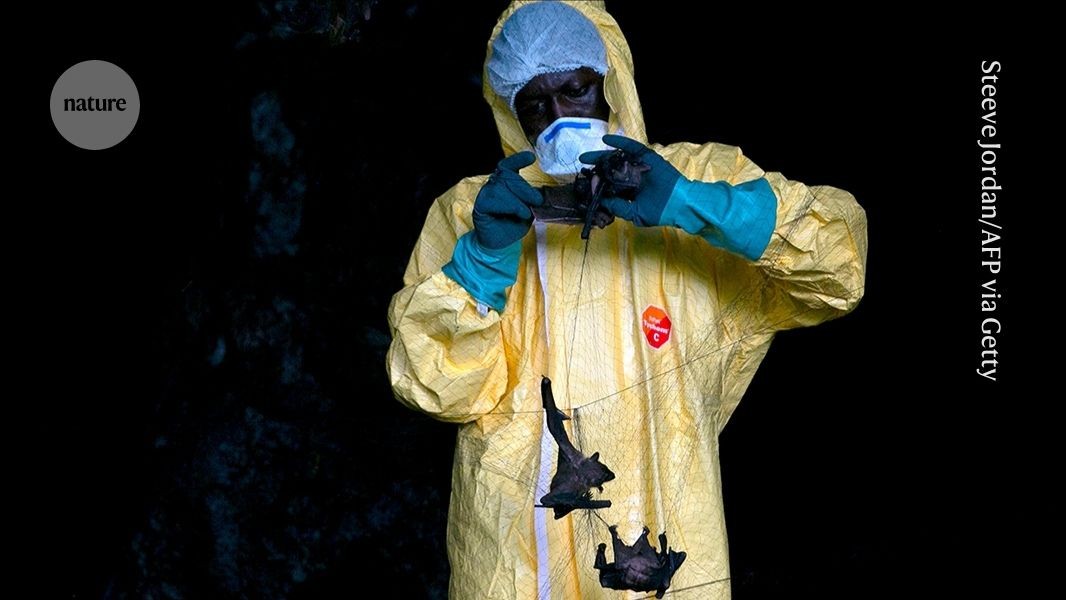
Ebola Outbreak in DR Congo: Causes, Case Counts, and Response
The Democratic Republic of the Congo and Uganda are currently navigating a significant epidemiological crisis, as the World Health Organization (WHO) has officially designated the ongoing outbreak of Ebola disease, specifically identified as the Bundibugyo virus, as a Public Health Emergency of International Concern (PHEIC). This classification underscores the extraordinary nature of the event, which has already resulted in numerous confirmed and suspected cases across multiple health zones, necessitating a rapid, evidence-based response to mitigate further transmission and manage the substantial morbidity associated with this filovirus.
Key Clinical Takeaways:
- The current outbreak is driven by the Bundibugyo virus, a rare species of orthoebolavirus that has not been documented in human populations for over a decade.
- Clinical management is currently complicated by the absence of a specialized vaccine for this specific species, necessitating a focus on isolation, contact tracing, and supportive care protocols.
- Transmission occurs through direct contact with infected bodily fluids, requiring rigorous adherence to infection control, personal protective equipment (PPE) standards, and safe burial practices to break the chain of infection.
The Pathogenesis and Clinical Challenges of the Bundibugyo Virus
The Bundibugyo virus belongs to the Orthoebolavirus genus, a group of zoonotic pathogens responsible for severe viral hemorrhagic fevers. Unlike the more frequently studied Orthoebolavirus zairense, the Bundibugyo variant presents unique diagnostic and therapeutic challenges. The pathogenesis of the disease is characterized by an initial incubation period ranging from two to 21 days, during which the virus replicates in host immune cells, leading to a systemic inflammatory response. Patients typically present with non-specific, influenza-like symptoms, including pyrexia, severe cephalgia, and fatigue, which complicates early clinical recognition in rural or resource-limited settings.

As the viral load increases, the infection progresses to more severe manifestations, including gastrointestinal distress—vomiting and diarrhea—which significantly elevates the risk of transmission to healthcare personnel and family members through exposure to contaminated bodily fluids. In advanced stages, the virus triggers profound vascular leakage and potential multi-organ failure. Because this specific species lacks the established vaccine coverage available for other orthoebolaviruses, the standard of care remains centered on early supportive therapy, such as aggressive fluid resuscitation, electrolyte management, and vigilant monitoring for secondary complications. For clinics and hospitals managing potential surge capacity, it is imperative to align with board-certified infectious disease specialists to ensure that isolation protocols and clinical triage workflows are fully optimized for high-consequence pathogens.
“The re-emergence of the Bundibugyo species highlights a critical gap in our global preparedness infrastructure. When dealing with rare viral variants, the clinical focus must shift immediately to rigorous contact tracing and the implementation of strict barrier nursing techniques, as these remain the most effective tools to suppress the R0 of the virus in the absence of targeted immunological prophylaxis.” — Senior Epidemiological Consultant
Epidemiological Risk Factors and Community Transmission Dynamics
The transmission dynamics of this outbreak are inherently tied to both environmental factors and deep-seated cultural practices. Historical data indicates that human-to-human transmission is often amplified by the handling of infected wildlife—often referred to as bushmeat—and traditional burial rites that involve close physical contact with the deceased. Disinformation regarding the nature of the virus can further exacerbate the crisis by fostering distrust in institutional medical interventions, thereby hindering public health efforts such as vaccination campaigns or quarantine measures.
In regions where urban density is increasing, the proximity of human populations to natural viral reservoirs poses a consistent threat of spillover events. Addressing these risks requires a multi-disciplinary approach involving community leaders, public health officials, and clinical practitioners. Organizations and health systems struggling to navigate the complex regulatory and logistical requirements of managing infectious disease outbreaks should consult with healthcare compliance attorneys to ensure their operational protocols adhere to international health regulations, thereby mitigating risk while maintaining the continuity of essential services.
Diagnostic Infrastructure and Future Trajectories
The determination of a PHEIC by the WHO Director-General is informed by rigorous scientific principles and an assessment of the potential for international spread. As the situation evolves, the global scientific community is prioritizing the evaluation of diagnostic efficacy and the potential for clinical trial integration to address the therapeutic void. Research efforts, often supported by international grants and partnerships, are critical to understanding why certain orthoebolaviruses cause higher mortality rates than others. For diagnostic facilities and laboratories looking to upgrade their screening capabilities in response to emerging viral threats, it is vital to engage with accredited diagnostic centers that maintain high-level biosafety compliance and precision testing protocols.

The trajectory of this outbreak will ultimately depend on the efficacy of containment strategies and the ability of the international community to provide consistent, transparent support to the affected regions. As clinicians, our mandate is to remain vigilant, maintain high standards of evidence-based practice, and ensure that the most vulnerable populations receive timely, compassionate care. The future of managing such outbreaks lies in the seamless integration of global surveillance data with localized clinical excellence, ensuring that diagnostic and treatment interventions are both rapid and culturally informed.
Disclaimer: The information provided in this article is for educational and scientific communication purposes only and does not constitute medical advice. Always consult with a qualified healthcare provider regarding any medical condition, diagnosis, or treatment plan.