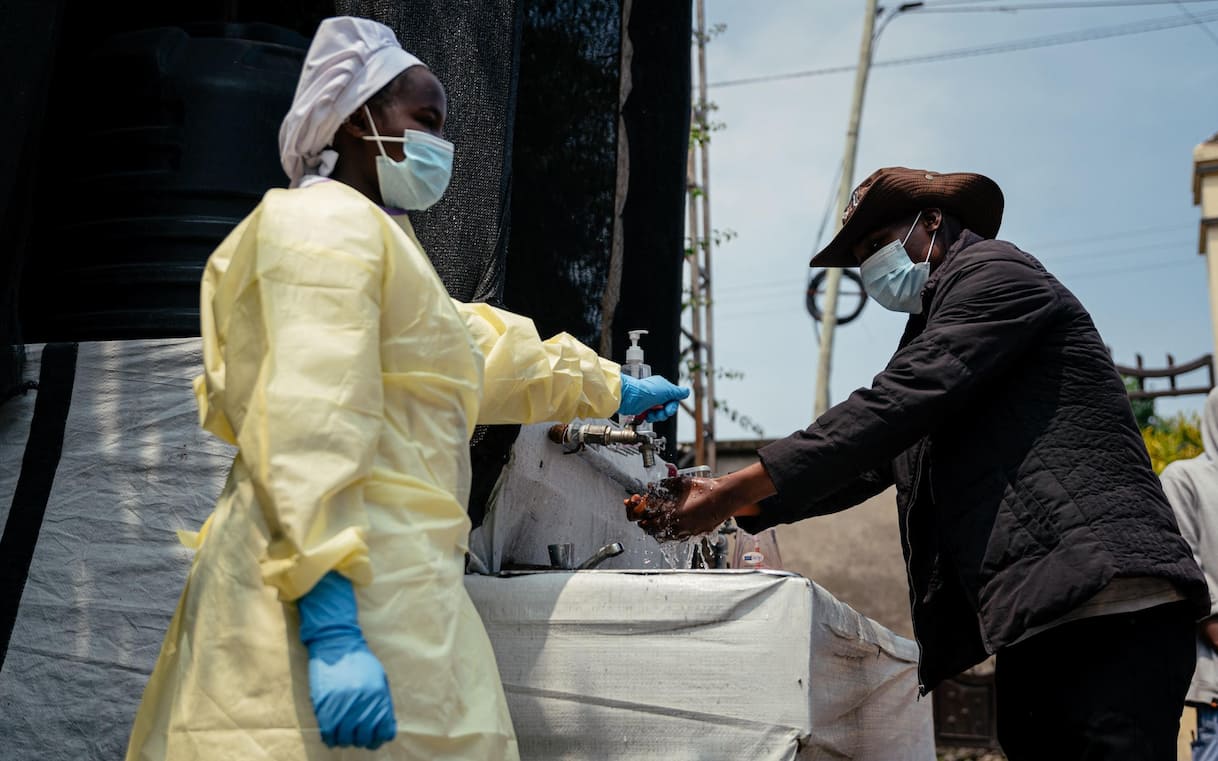
Ebola Outbreak in Congo: Rising Risk of Widespread Epidemic
The global health community faces a precarious inflection point as epidemiological surveillance indicators signal an escalating risk of Ebola virus disease (EVD) transmission across an expanding geographical footprint in Africa. With the Africa Centres for Disease Control and Prevention (Africa CDC) identifying at least ten nations currently at heightened risk, the necessity for robust, data-driven containment strategies and clinical preparedness has never been more urgent. As we monitor the current outbreak dynamics, the focus must shift toward rapid diagnostic integration and the mobilization of specialized infectious disease resources.
Key Clinical Takeaways:
- Epidemiological modeling suggests an expanded risk profile for Ebola transmission, currently impacting ten African nations with high-alert status.
- The viral pathogenesis of EVD requires immediate, specialized isolation protocols and advanced supportive care to mitigate high case-fatality rates.
- Healthcare infrastructure resilience is dependent on rapid diagnostic deployment and the immediate engagement of infectious disease specialists for frontline containment.
The Pathogenesis and Epidemiological Threat of Filoviridae
Ebola virus disease remains a severe, often fatal, zoonotic infection characterized by profound systemic disruption. The virus, a member of the Filoviridae family, triggers a hyper-inflammatory response, leading to vascular leakage, coagulopathy, and multi-organ failure. Understanding the viral vector and the mechanisms of transmission is the cornerstone of effective public health intervention. According to the World Health Organization (WHO), the current epidemiological situation necessitates a heightened state of vigilance, particularly in regions where healthcare infrastructure may lack the surge capacity required for high-consequence pathogen management.
The clinical trajectory of an outbreak is dictated by the velocity of the R0—the basic reproduction number—and the efficacy of contact tracing. Recent data underscores that the current situation in the Congo is being monitored closely to determine if it will reach historic morbidity levels. Clinical success in these scenarios is rarely the result of a single intervention; rather, it is the product of comprehensive, multi-modal strategies that include rigorous isolation, advanced fluid resuscitation, and the administration of monoclonal antibody therapeutics developed through international collaborative efforts.
Clinical Triage and the Role of Specialized Care
For healthcare systems and private practices, the threat of high-consequence infectious disease requires a proactive approach to risk management and clinical readiness. The risk of importation into non-endemic regions, as highlighted by expert commentary on the potential for cross-border contagion, mandates that providers stay informed on the latest biosafety protocols. It is essential for medical facilities to audit their isolation capabilities and ensure staff are trained in the management of hemorrhagic fevers.
Navigating these complex clinical landscapes often requires the oversight of experts who specialize in tropical medicine and infectious disease epidemiology. For clinical practices looking to bolster their infectious disease response capabilities, it is highly recommended to consult with board-certified infectious disease specialists to ensure diagnostic and treatment protocols align with current international standards. As regulatory agencies update their travel and screening guidelines, medical facilities should retain healthcare compliance attorneys to ensure their operational procedures meet the stringent requirements of both national and international health directives.
Advanced Diagnostics and Therapeutic Development
The development of vaccines and therapeutics for EVD has seen significant progress, largely funded by international research grants and public-private partnerships, such as those facilitated by the National Institutes of Health (NIH) and various global pharmaceutical initiatives. Peer-reviewed research published in journals such as The Lancet has demonstrated the efficacy of specific ring-vaccination strategies in containing localized outbreaks. However, these successes rely heavily on the availability of rapid point-of-care diagnostics.
“The containment of filoviral outbreaks is not merely a matter of clinical skill, but of logistical orchestration. We must bridge the gap between initial clinical detection and the systematic deployment of therapeutic assets to prevent the progression of localized clusters into regional health crises.” — Senior Epidemiologist, Infectious Disease Research Division.
The diagnostic landscape is shifting toward more portable, high-sensitivity platforms capable of detecting viral RNA in the field. This capability is critical for reducing the time between symptom onset and clinical intervention—a window that is often the difference between successful recovery and fatal outcomes. Clinical laboratories and diagnostic centers looking to upgrade their pathogen-detection technology should engage with accredited diagnostic laboratories to ensure they have the necessary infrastructure to handle high-risk specimens safely and accurately.
Future Trajectories in Global Health Security
As we look toward the future of global health security, the integration of real-time genomic surveillance and international data sharing will be paramount. The current risk profile in Africa serves as a sobering reminder of the interconnected nature of modern health. The trajectory of this research is increasingly focused on broad-spectrum antivirals and universal vaccine candidates that could provide a more flexible defense against evolving filoviral threats.

For providers and healthcare administrators, the priority remains the same: preparation, vigilance, and the maintenance of a robust clinical network. By leveraging the expertise of specialized professionals and maintaining strict adherence to established biosafety standards, the medical community can effectively mitigate the impact of these emerging threats. We encourage all healthcare professionals to remain engaged with updated guidance from global health authorities and to utilize our directory to identify the specialized resources necessary to maintain the highest standards of patient care and public safety.
Disclaimer: The information provided in this article is for educational and scientific communication purposes only and does not constitute medical advice. Always consult with a qualified healthcare provider regarding any medical condition, diagnosis, or treatment plan.