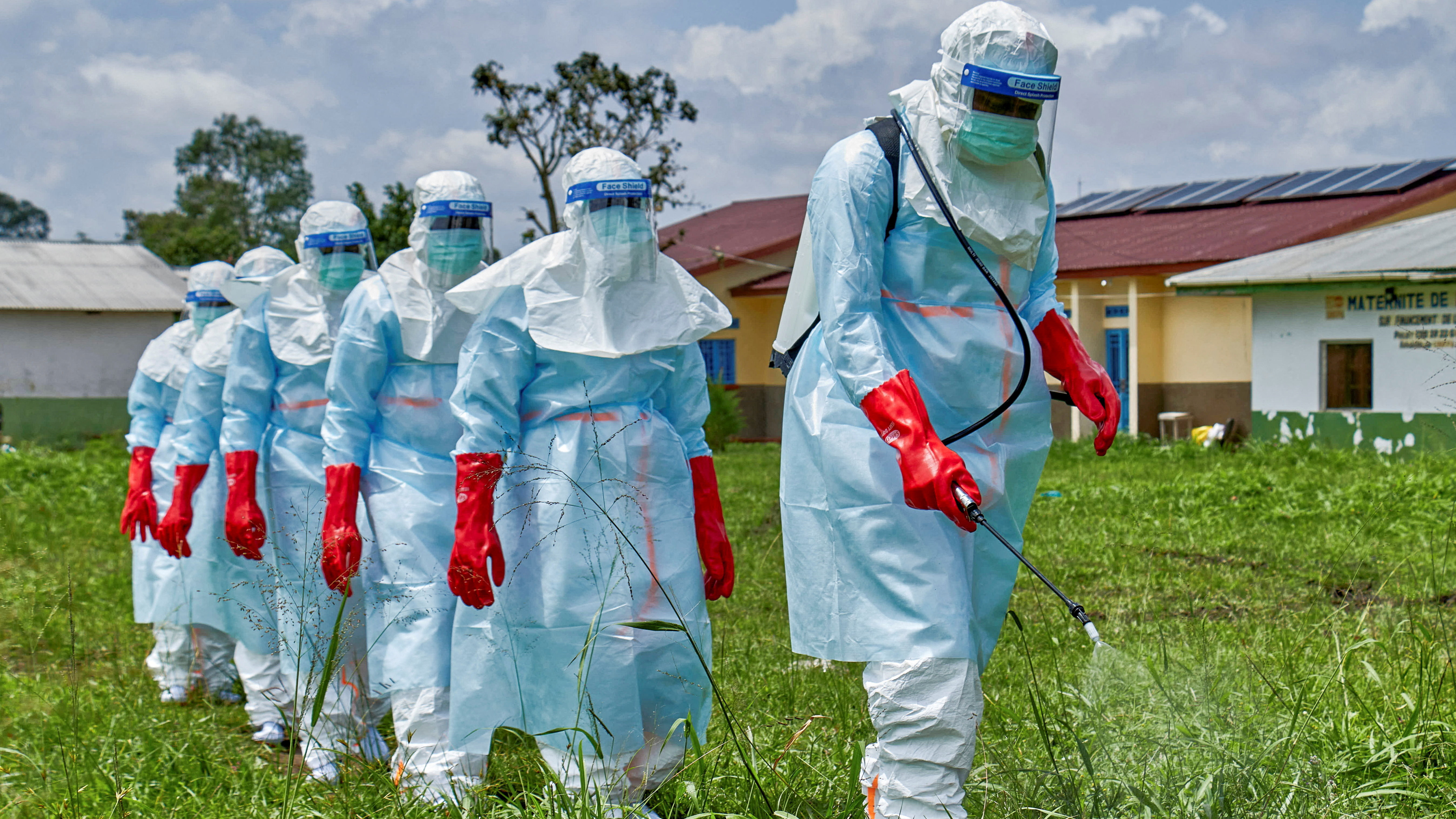
Ebola Outbreak Escalates in Africa: Rising Cases in Uganda and DR Congo
The resurgence of Ebola virus disease in Uganda presents a critical challenge to regional public health stability, with recent clinical reports confirming additional cases and placing surrounding nations under heightened surveillance by the Africa Centres for Disease Control and Prevention (Africa CDC). As epidemiologists track the viral transmission chains, the focus shifts to containment efficacy, the deployment of rapid diagnostic protocols, and the logistical hurdles of managing highly infectious pathogens in resource-constrained environments.
Key Clinical Takeaways:
- Confirmed transmission in Uganda is driving a regional risk assessment, with ten neighboring countries now under heightened monitoring for potential spillover events.
- Clinical management remains focused on early detection and supportive care, as the viral pathogenesis of Ebola necessitates stringent infection control to mitigate morbidity and mortality.
- Healthcare systems must prioritize the integration of rapid diagnostic testing and specialized isolation protocols to prevent the escalation of the current cluster into a broader epidemic.
Understanding Viral Pathogenesis and Transmission Dynamics
Ebola virus disease is a severe, often fatal, viral hemorrhagic fever characterized by the rapid onset of systemic symptoms, including high fever, severe headache, and internal and external bleeding. The virus, primarily transmitted through direct contact with the blood or body fluids of infected individuals, exploits the host’s immune system, leading to widespread vascular compromise. According to technical guidance published by the World Health Organization (WHO), the pathogenesis involves the initial infection of dendritic cells and macrophages, which facilitates systemic dissemination and the subsequent “cytokine storm” that drives the disease’s high case-fatality rate.

The current epidemiological landscape is complicated by the intersection of viral spread and regional socioeconomic factors. Effective containment is not merely a clinical task but a logistical one, requiring seamless coordination between laboratory diagnostics and community engagement. For clinicians operating in high-risk zones, the standard of care relies on early aggressive fluid resuscitation and electrolyte management. Patients presenting with febrile illness in affected regions require immediate assessment by board-certified infectious disease specialists to ensure that isolation protocols are initiated before further community transmission occurs.
The Imperative of Surveillance and Diagnostic Accuracy
The risk warning issued by the Africa CDC underscores the necessity of robust surveillance infrastructure. In the context of an ongoing outbreak, the accuracy of laboratory results is paramount. The use of real-time reverse transcription-polymerase chain reaction (RT-PCR) assays remains the gold standard for confirming Ebola virus infection. However, the diagnostic window is narrow, and the logistical burden of transporting samples from remote regions to centralized laboratories often creates delays in clinical decision-making.

“Public health response during hemorrhagic fever outbreaks hinges on the speed of the diagnostic cycle. Every hour lost between symptom onset and laboratory confirmation increases the probability of secondary transmission chains within the community,” notes an expert in emerging viral threats.
Healthcare facilities must audit their diagnostic capabilities to ensure alignment with international biosafety standards. For organizations tasked with managing clinical diagnostic workflows during outbreaks, seeking guidance from healthcare compliance attorneys is essential to navigate the complex regulatory environment surrounding the handling of high-consequence pathogens and the distribution of experimental therapeutic agents.
Clinical Challenges and the Path Toward Containment
The clinical management of Ebola requires significant infrastructure, including dedicated isolation units equipped with personal protective equipment (PPE) and advanced life support capabilities. The mortality rate associated with the virus is heavily influenced by the quality of supportive care. Historical data indicates that early intervention can significantly improve outcomes. however, the fear and distrust often associated with viral outbreaks frequently lead to delayed presentation. This creates a critical gap in clinical care that must be addressed through community-based education and the establishment of trust between medical providers and the public.
While experimental vaccines and monoclonal antibody therapies have shown promise in clinical trials supported by international research consortiums, their deployment requires a stable supply chain and trained personnel. The current situation in Uganda highlights the vulnerability of these systems when confronted with rapid case surges. It is vital that regional health authorities prioritize the training of frontline workers in triage and infection prevention. Facilities that lack established protocols for managing highly infectious diseases should consult with hospital management consultants to implement standardized safety frameworks that protect both staff and the wider patient population.
Future Trajectories in Viral Preparedness
The trajectory of the current outbreak will likely depend on the speed of the integrated public health response. The Africa CDC’s warning to ten countries serves as a reminder that viral pathogens do not respect administrative borders. Future research must continue to focus on the development of more stable, thermostable vaccines that can be easily transported to rural environments, as well as the refinement of rapid point-of-care diagnostics that reduce the reliance on centralized laboratory infrastructure. As the global medical community continues to refine its response to Ebola, the focus must remain on the synergy between clinical excellence, epidemiological surveillance, and the strengthening of local healthcare systems.

For those involved in the procurement of medical supplies or the management of clinical response teams, maintaining operational readiness is the most effective defense against the escalation of infectious disease events. Ensuring that your clinical team has access to the latest research and diagnostic tools is the first step in mitigating the impact of these unpredictable health crises.
Disclaimer: The information provided in this article is for educational and scientific communication purposes only and does not constitute medical advice. Always consult with a qualified healthcare provider regarding any medical condition, diagnosis, or treatment plan.