
Summary of the Research on Earthquake Energy Partitioning
This research, conducted by Ortega-Arroyo and Peč’s teams, investigates how energy is distributed during an earthquake. Recognizing the difficulty in predicting earthquakes due to long timescales and unknown rock behavior, they turned to microscale simulations to gain insights.
Here’s a breakdown of their approach and findings:
* Lab Quakes: They created miniature earthquakes using granite powder mixed with magnetic particles, simulating rocks in the Earth’s seismogenic layer.
* Measurement Techniques:
* Magnetic Particles: Tracked temperature changes (heat generation) during the ”quake” by monitoring changes in the magnetic field strength.
* Piezoelectric Sensors: Measured the amount of shaking.
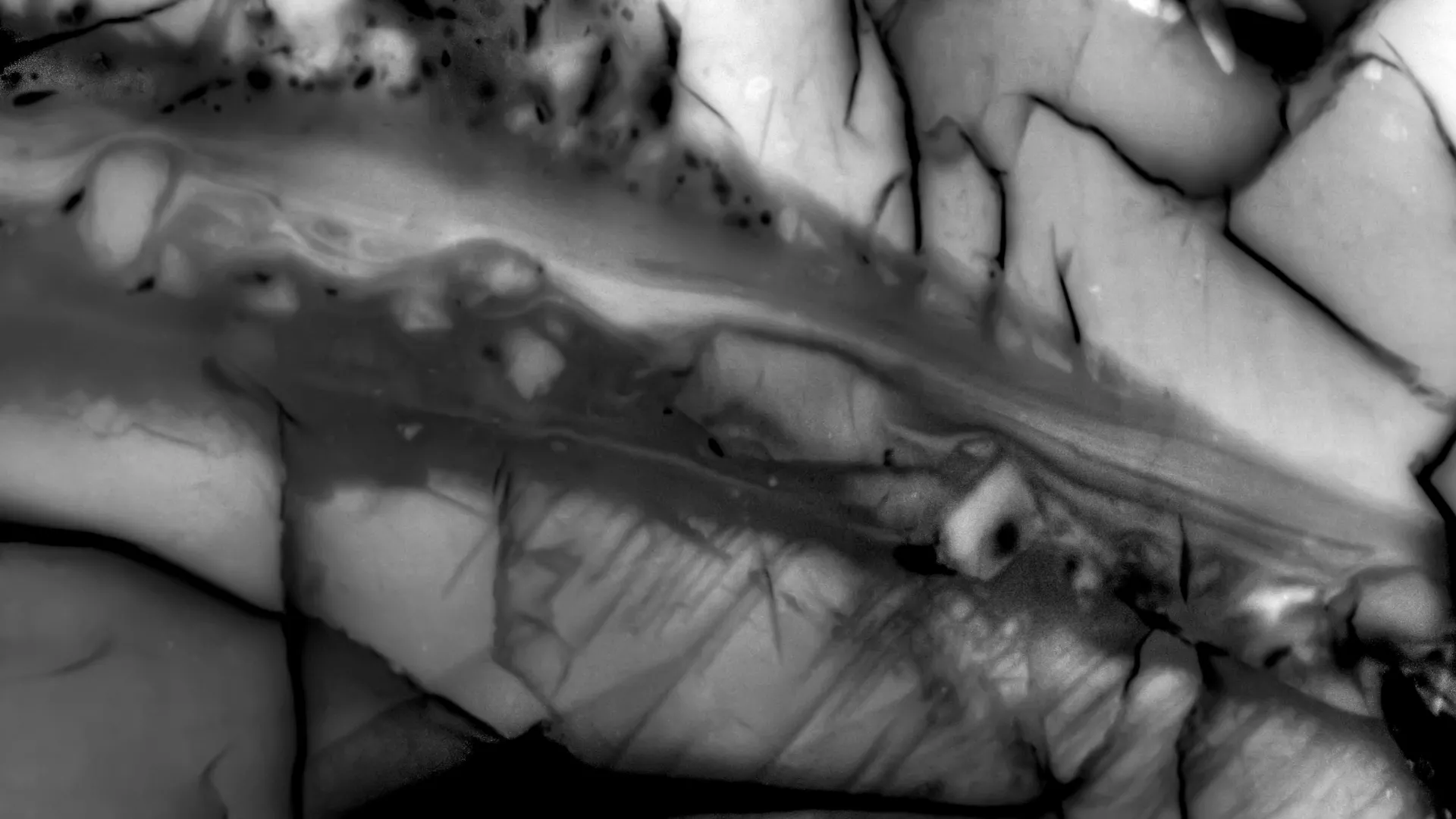
* Microscopic Analysis: Examined changes in granite grain size to assess rock fracturing.
* Key Findings:
* Energy Budget: Approximately 80% of earthquake energy is converted into heat, 10% into shaking, and less than 1% into fracturing rocks.
* extreme Temperatures: Near the fault line, temperatures can spike from room temperature to 1,200°C in microseconds.
* Fast Slip Velocities: Fault movement can occur at speeds of around 10 meters per second, though for a very short duration (slip of about 100 microns).
Importance:
The researchers believe thes microscale processes are analogous to those occurring in larger, natural earthquakes.This research provides a more comprehensive understanding of earthquake physics and could lead to improved earthquake models and better natural hazard mitigation strategies.
