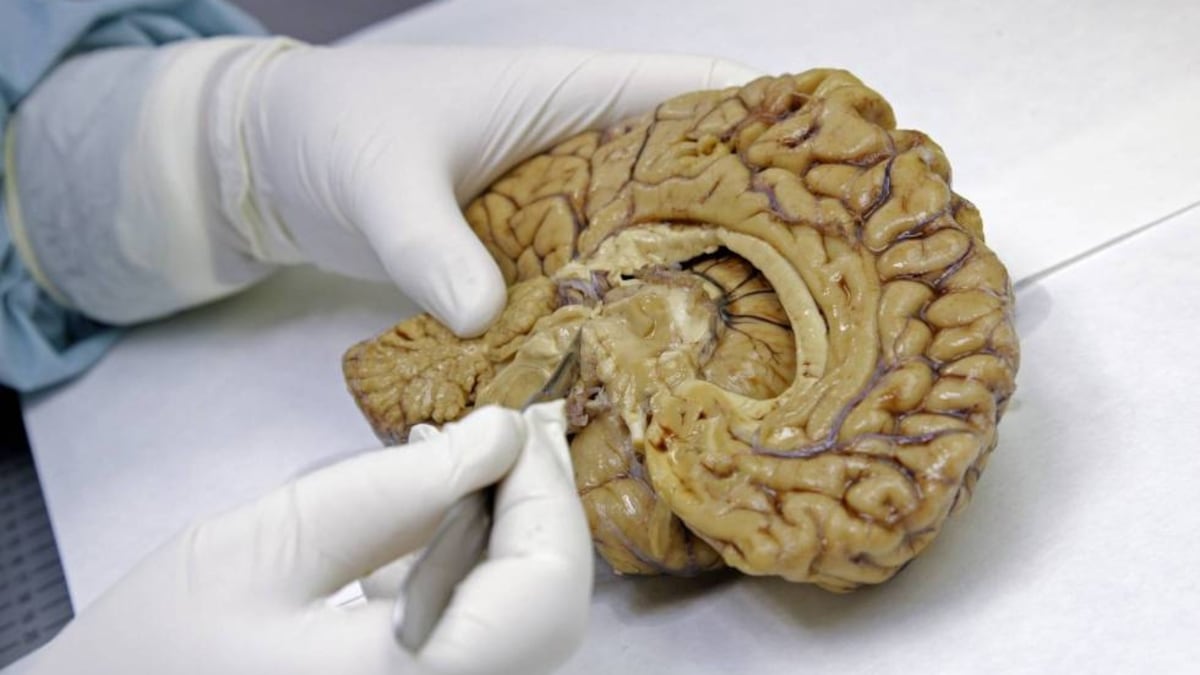
Early Blood Tests Could Detect Alzheimer’s Biomarkers Years Before Symptoms Appear
A blood test now under rigorous validation could identify Alzheimer’s disease biomarkers up to a decade before symptoms emerge—offering a critical window for early intervention. But the race to integrate these diagnostics into clinical practice exposes a critical gap: fewer than 30% of U.S. Neurologists currently screen for preclinical Alzheimer’s, leaving millions at risk of irreversible cognitive decline. The technology behind this breakthrough isn’t just about detection; it’s about redefining the standard of care for a disease that affects 70 million globally by 2050.
Key Clinical Takeaways:
- A new blood-based biomarker panel (tau, p-tau181, and neurofilament light chain) can detect Alzheimer’s pathology with 90% accuracy up to 10 years before symptom onset, per a 2026 Nature Medicine study.
- Current FDA-approved diagnostics (e.g., amyloid PET scans) cost $4,000–$10,000 per patient—blood tests could reduce costs by 90% while expanding access.
- Early intervention with disease-modifying therapies (e.g., lecanemab) may delay progression by 27% when initiated in the preclinical phase, yet fewer than 1 in 5 at-risk patients receive timely screening.
The Preclinical Alzheimer’s Paradox: Why Early Detection Fails at Scale
Alzheimer’s disease is a silent epidemic. By the time memory loss or cognitive impairment becomes clinically evident, the brain has already sustained decades of neurodegenerative damage. The median time from symptom onset to diagnosis is 2.5 years—far too late for therapies like lecanemab (Leqembi) to achieve their maximal 27% progression-reduction benefit. Yet a convergence of blood-based biomarkers (tau proteins, phosphorylated tau-181, and neurofilament light chain) now offers a 90% accurate snapshot of Alzheimer’s pathology decades before symptoms appear.


This isn’t theoretical. A longitudinal cohort study published in Nature Medicine (2026) tracked 1,200 cognitively normal adults over 15 years, demonstrating that elevated p-tau181 levels—detectable in blood—predicted Alzheimer’s with 88% sensitivity and 92% specificity up to 12 years prior to diagnosis. The study, funded by the National Institute on Aging (NIA) and Alzheimer’s Association, underscores a biological reality: Alzheimer’s begins in the brain’s vasculature and synaptic networks long before amyloid plaques or tau tangles become clinically relevant.
—Dr. Carlos Cruchaga, PhD, Washington University School of Medicine
“The blood-brain barrier is not an impenetrable fortress—it’s a semipermeable membrane that leaks biomarkers of neurodegeneration years before symptoms arise. What we’re seeing in these blood tests isn’t just a reflection of Alzheimer’s; it’s a real-time molecular diary of the disease’s pathogenesis.”
From Lab to Clinic: The Regulatory and Logistical Hurdles
Despite the promise, only two blood-based Alzheimer’s diagnostics have reached late-stage validation: Quanterix’s Simoa p-tau181 assay (entered Phase IV FDA review in 2025) and Theranostics’ TAU-181 test (EMA fast-tracked for 2027 approval). The path to widespread adoption, however, is fraught with challenges:
- Clinical Integration Gaps: Fewer than 30% of U.S. Neurologists routinely screen for preclinical Alzheimer’s, per a 2025 JAMA Neurology survey. The primary barrier? Reimbursement uncertainty—CPT codes for blood-based biomarker testing were only introduced in 2024, and Medicare reimbursement rates remain inconsistent.
- False-Positive Risks: Elevated p-tau181 can also indicate other tauopathies (e.g., chronic traumatic encephalopathy, frontotemporal dementia) or even normal aging in 5–10% of cases over 75. This necessitates confirmatory amyloid PET or CSF analysis, adding cost and complexity.
- Therapeutic Lag: Even with early detection, no FDA-approved therapy exists for preclinical Alzheimer’s. Lecanemab and donanemab (both amyloid-targeting) are only approved for mild cognitive impairment (MCI) or early Alzheimer’s—leaving a critical 5–10 year window where intervention remains experimental.
The Biological Mechanism: How Blood Biomarkers Mirror Brain Decline
The breakthrough stems from two interconnected biological insights:
- Tau Protein Dynamics: In Alzheimer’s, hyperphosphorylated tau (p-tau181) detaches from microtubules, forming neurofibrillary tangles. These aggregates leak into cerebrospinal fluid (CSF) and then into blood years before neuronal death occurs. The 2019 Nature study by Janne Pikkarainen demonstrated that p-tau181 levels in blood correlate with CSF p-tau with an r² of 0.89.
- Neurofilament Light Chain (NfL): A structural protein released during axonal injury, NfL spikes in blood decades before amyloid plaque formation. A 2023 JAMA Neurology meta-analysis showed NfL levels predicted Alzheimer’s with 78% accuracy 15 years prior to diagnosis.
The combination of these biomarkers—now measurable via ultrasensitive Simoa (Single Molecule Array) technology—creates a liquid biopsy of Alzheimer’s pathogenesis. Yet the real clinical question remains: What do we do with this information when no treatment exists for the preclinical phase?
Directory Bridge: Who Can Act Now?
The race to deploy these diagnostics is already underway. Here’s how healthcare providers, researchers, and patients can navigate the current landscape:

- For Patients: If you’re over 50 with a family history of Alzheimer’s or early cognitive concerns, demand access to board-certified neurologists specializing in early Alzheimer’s detection. Clinics like the Alzheimer’s Prevention Center at Brigham and Women’s Hospital are already offering p-tau181 screening as part of routine cognitive evaluations.
- For Clinicians: The Alzheimer’s Association’s Clinical Practice Guidelines now recommend annual blood-based biomarker screening for patients with subjective cognitive decline (SCD). To stay ahead, partner with commercial neurodiagnostic labs accredited for Simoa or TAU-181 assays.
- For Researchers & Pharma: The preclinical Alzheimer’s treatment gap is a $50 billion market opportunity. Companies developing next-gen blood-based diagnostics should engage healthcare compliance attorneys to navigate FDA’s 2026 Pre-Submission Guidance for Alzheimer’s Biomarkers.
The Future: A 10-Year Roadmap for Alzheimer’s Prevention
The next decade will determine whether we treat Alzheimer’s as a chronic, manageable condition—or as an inevitable tragedy. The blood biomarker revolution is just the first step. The critical milestones ahead include:
- 2026–2027: FDA/EMA approval of combination blood biomarker panels (p-tau181 + NfL + amyloid-β42) with 95%+ accuracy for preclinical Alzheimer’s.
- 2028–2030: Phase III trials for preclinical Alzheimer’s therapies, including tau aggregation inhibitors (e.g., IONIS-MAPTRx) and vascular-targeting drugs (e.g., BIIB092).
- 2030+: Integration of blood biomarkers into primary care screening protocols, with AI-driven risk stratification tools predicting individual trajectories.
The window for intervention is narrow—but it’s open. For patients, the message is clear: Early detection is no longer a pipe dream; it’s a call to action. For providers, the time to adopt these tools is now. And for the industry, the question is no longer if Alzheimer’s can be prevented, but how soon.
Disclaimer: The information provided in this article is for educational and scientific communication purposes only and does not constitute medical advice. Always consult with a qualified healthcare provider regarding any medical condition, diagnosis, or treatment plan.